One Handicap System, Six Governing Bodies, and What Changed in 2020
The World Handicap System unified six separate national systems in 2020 under a single calculation method administered by the R&A, USGA and four regional bodies. The piece covers what the old systems were, what the unification changed for a player moving between Irish, British and international courses, and what the Course Rating process involved for clubs.
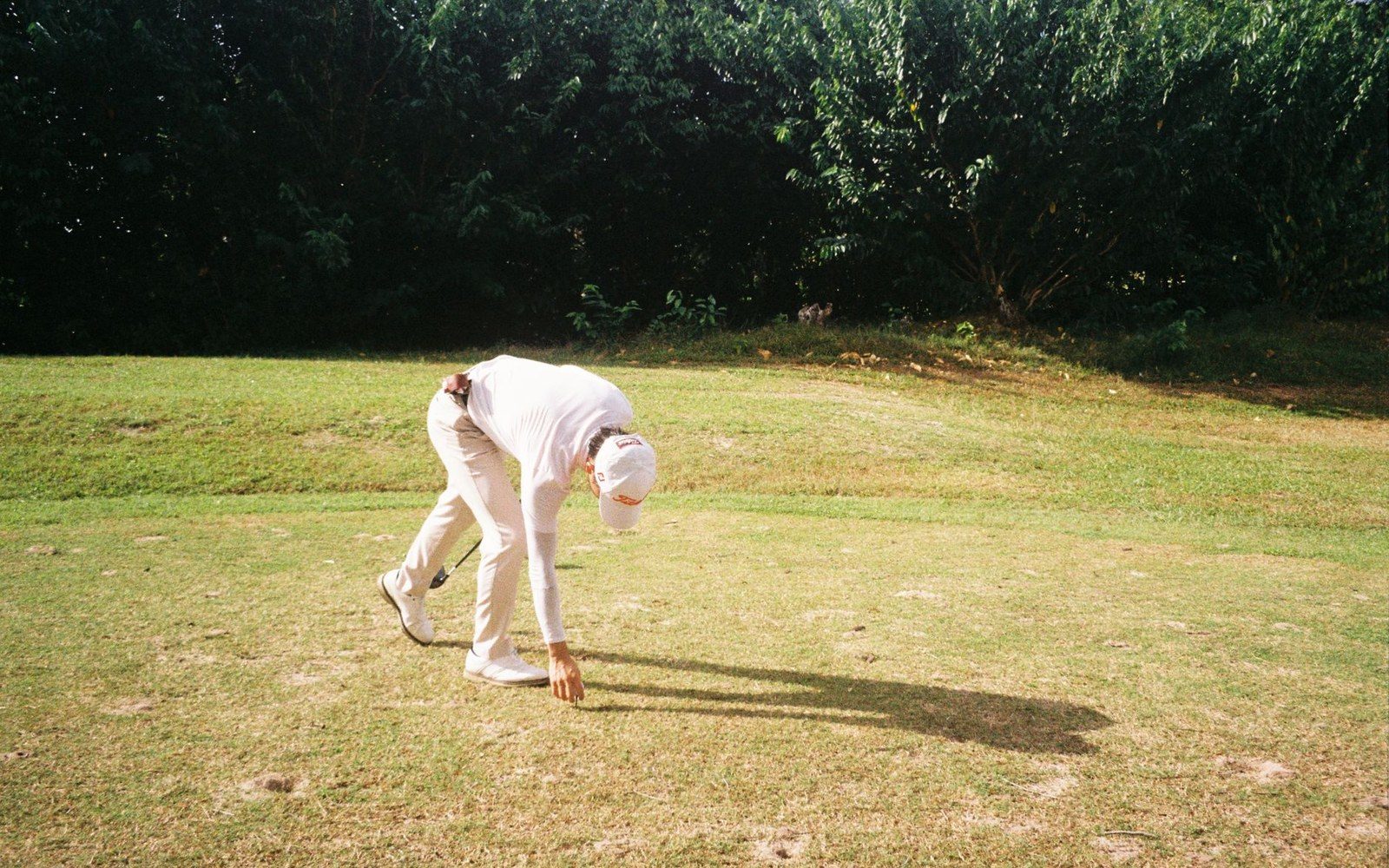
Six systems, one calculation, and a course-rating visit.
Photo: Jeffrey / Pexels
When a player's handicap meant something different in Lahinch than it did in New Jersey, the game had a problem. The World Handicap System fixed it.
From Six Systems to One
Before January 2020, six separate handicap systems governed golf worldwide. The USGA ran its own calculation for North America. The R&A's affiliated unions — Golf Ireland, the England Golf union, and their counterparts in Scotland and Wales — each administered regional variants through the CONGU system and its equivalents. South Africa and continental Europe operated further iterations. A scratch player by one measure was not necessarily a scratch player by another, and the gap widened the further a traveller moved from home.
The World Handicap System, developed jointly by the R&A and USGA and administered from 2020 by six bodies — those two plus Golf Australia, the Council of National Golf Unions, the South African Golf Association, and the European Golf Association — replaced all of them. A single calculation now applied from Ballybunion to Augusta National to Carnoustie.


A revised testing standard, phased from January 2028. Ammophila arenaria. Planted, fenced, thatched with brush, and still the cheapest sea defence anybody has.
Photo: Kindel Media / Pexels · Photo: Anna Romanova / Pexels
What the Calculation Actually Changed
The core mechanism is the Handicap Differential: the difference between a player's adjusted gross score and the Slope-adjusted Course Rating for the tees played that day. The system takes the best eight differentials from the most recent twenty rounds, averages them, and applies a 0.96 multiplier — a built-in concession acknowledging that average performance falls short of best performance. The result is a Handicap Index portable across every affiliated club on earth.
The Slope Rating — borrowed from the USGA system, new to most other national bodies in 2020 — matters enormously on a links. A course of modest Course Rating but extreme difficulty for a bogey golfer carries a high Slope; a player arriving at Royal County Down from a flat parkland course will find their Playing Handicap adjusted upward to reflect it. That automatic correction is what the old CONGU flat-differential system did not provide.
For clubs, the transition required an official Course Rating and Slope survey conducted by trained assessors under R&A and USGA specifications. Assessors walk every hole, measure effective playing length under a standard wind and ground-condition model, and score obstacles for a Scratch and a Bogey golfer separately. The gap between those two produces the Slope. Courses rated before 2020 under legacy systems were re-surveyed or had ratings carried over only where assessors certified their equivalence.
For a player moving between Irish clubs — or between Ireland and any of the system's more than one hundred participating countries — the practical change was that their Handicap Index now reflected form, not home-course familiarity. The playing field, at least arithmetically, became level.