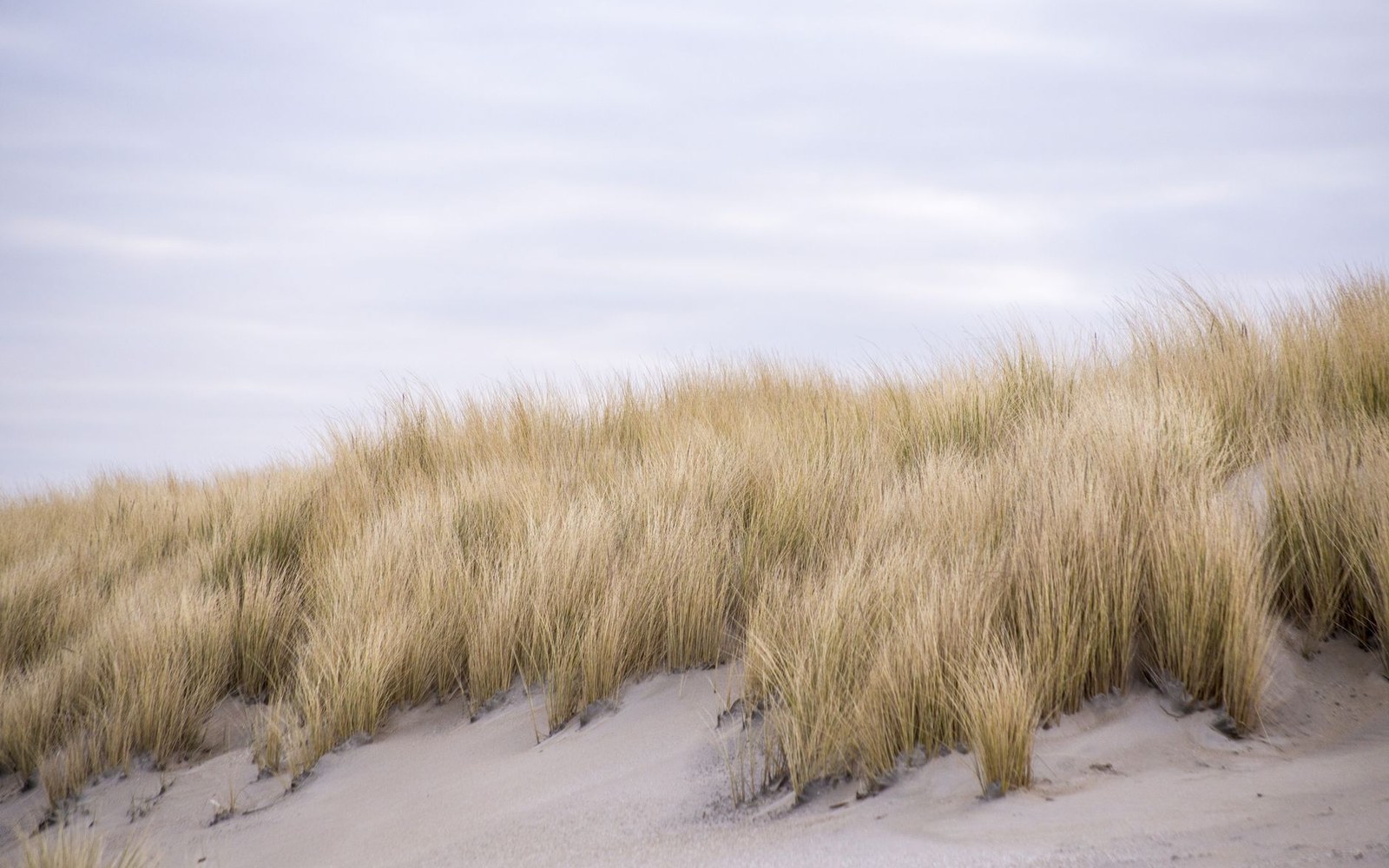
The Grass That Holds the Dune Together
Ammophila arenaria spreads by rhizome, is planted and fenced and buried deliberately, and still counts as the cheapest coastal defence available. This piece traces how the root system works, why cutting the dune toe destroys it from below, and what happens to the fairway sitting on the crest when it does.
Read this piece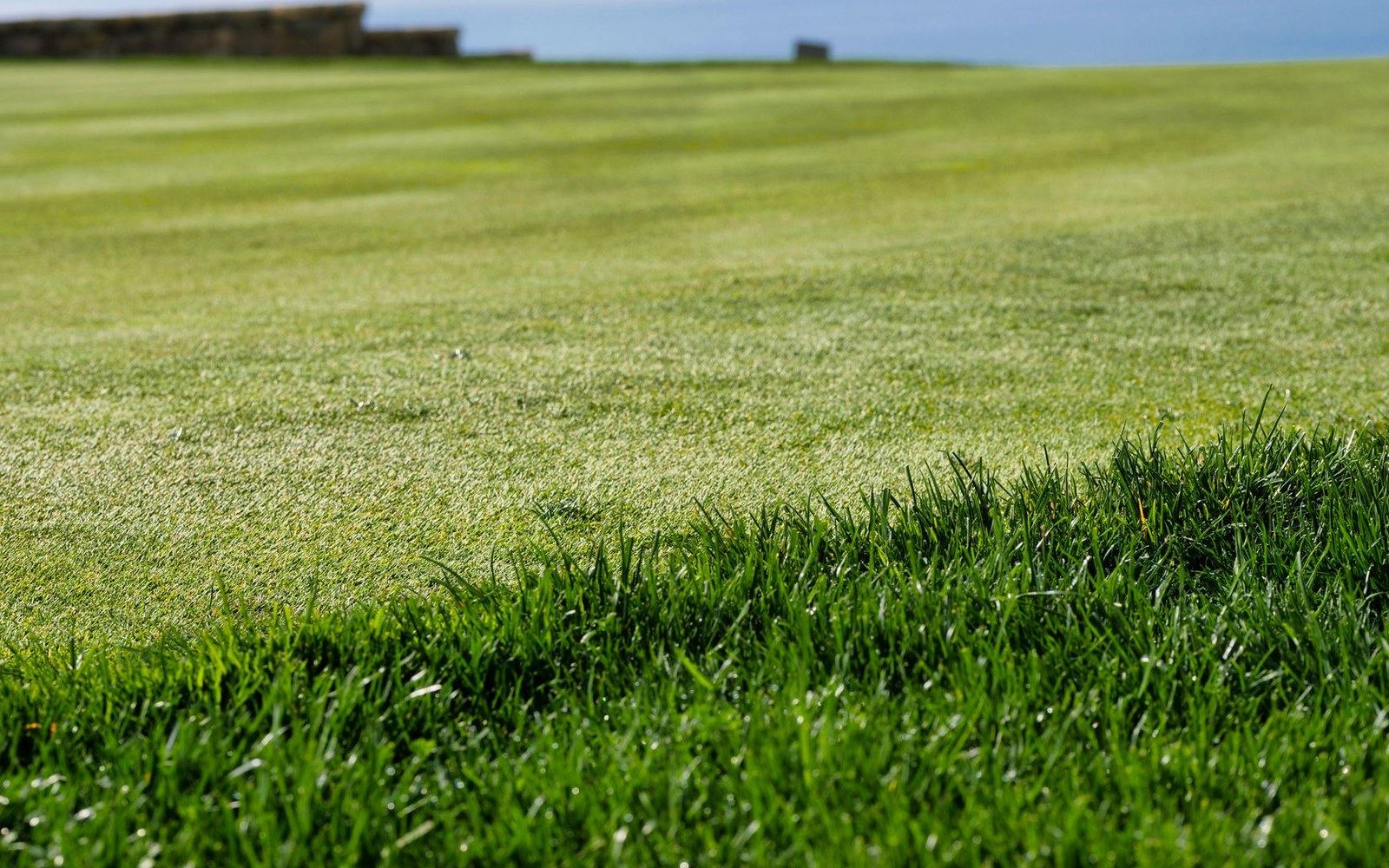
Dry, Poor, and Left Alone
Fescue wants to be dry and unfed; Poa annua wants water and takes over the moment it gets either. An argument for what links greenkeeping actually is…
Read this piece
A Blowout Starts as a Footpath
The sequence from worn path to bare sand to open ridge gap, and the three responses — fencing, brush thatching, marram replanting — in the order they…
Read this piece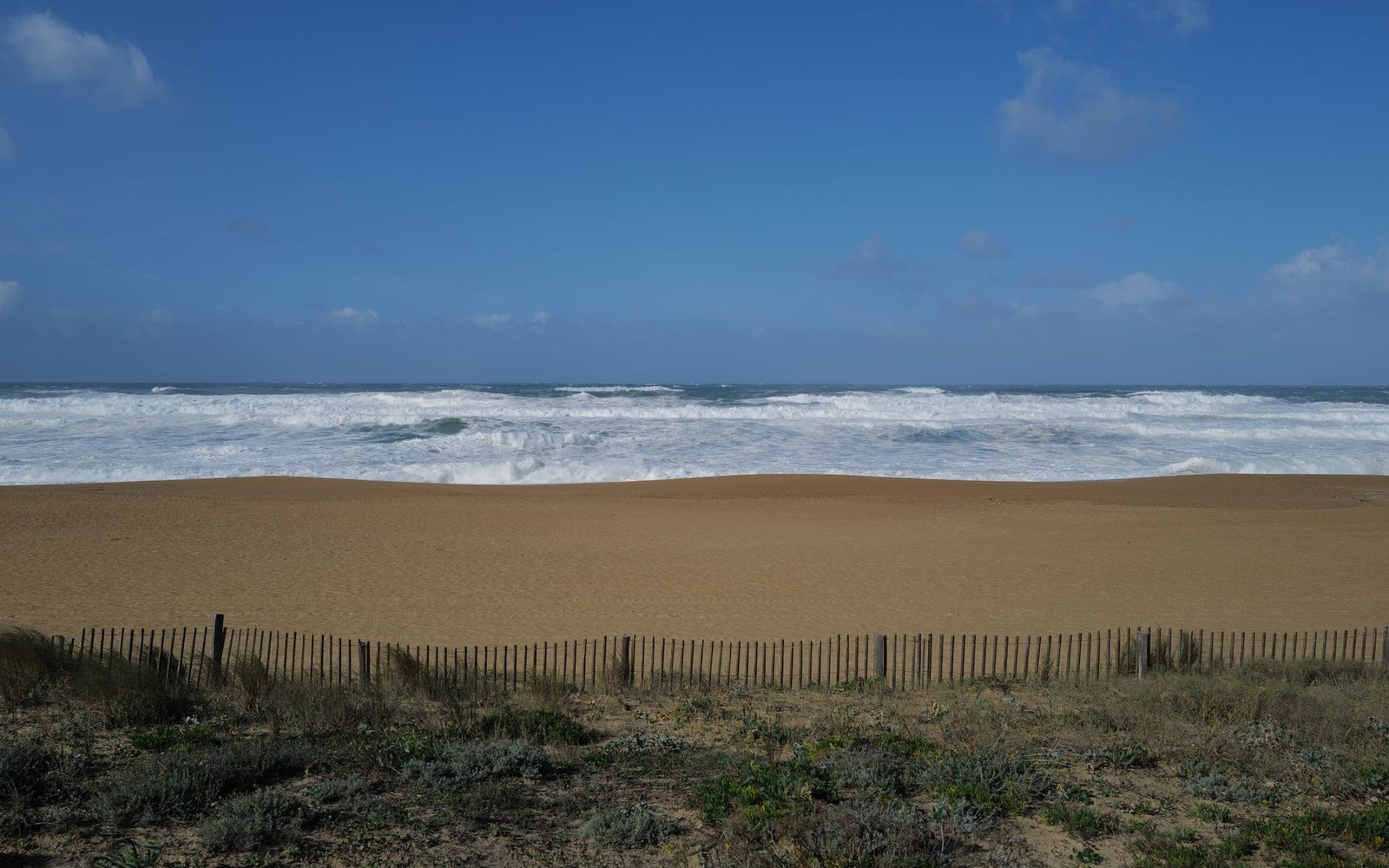
Metres a Decade on the Atlantic Coast
Published erosion-rate data for the Irish Atlantic coast, what a wave scarp does to the angle of repose of a dune face, and why some of the losses on…
Read this piece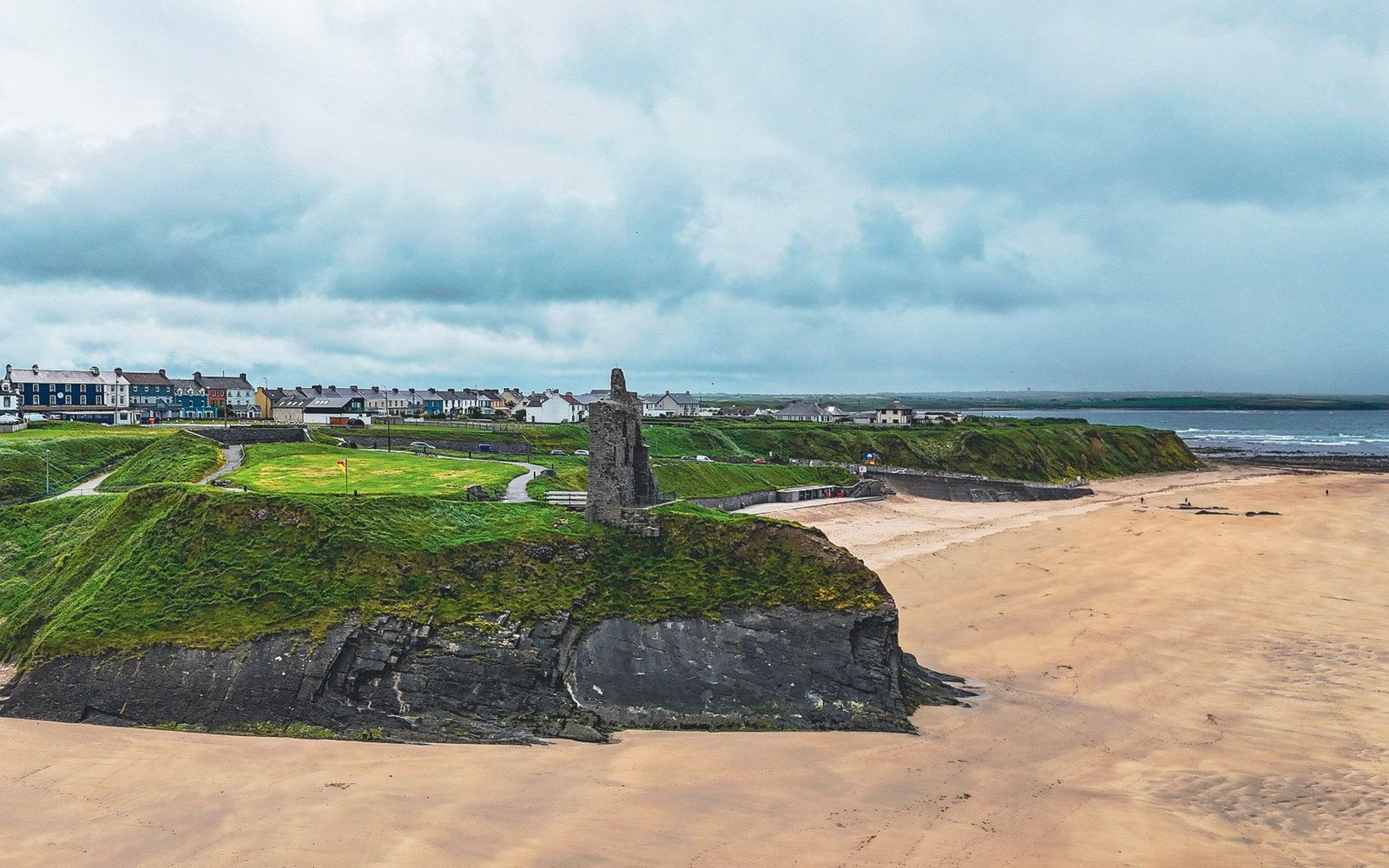
The Holes That Have Already Gone
A record of specific holes or tee positions lost or permanently relocated at named Irish links clubs because of coastal erosion, with dates and the…
Read this piece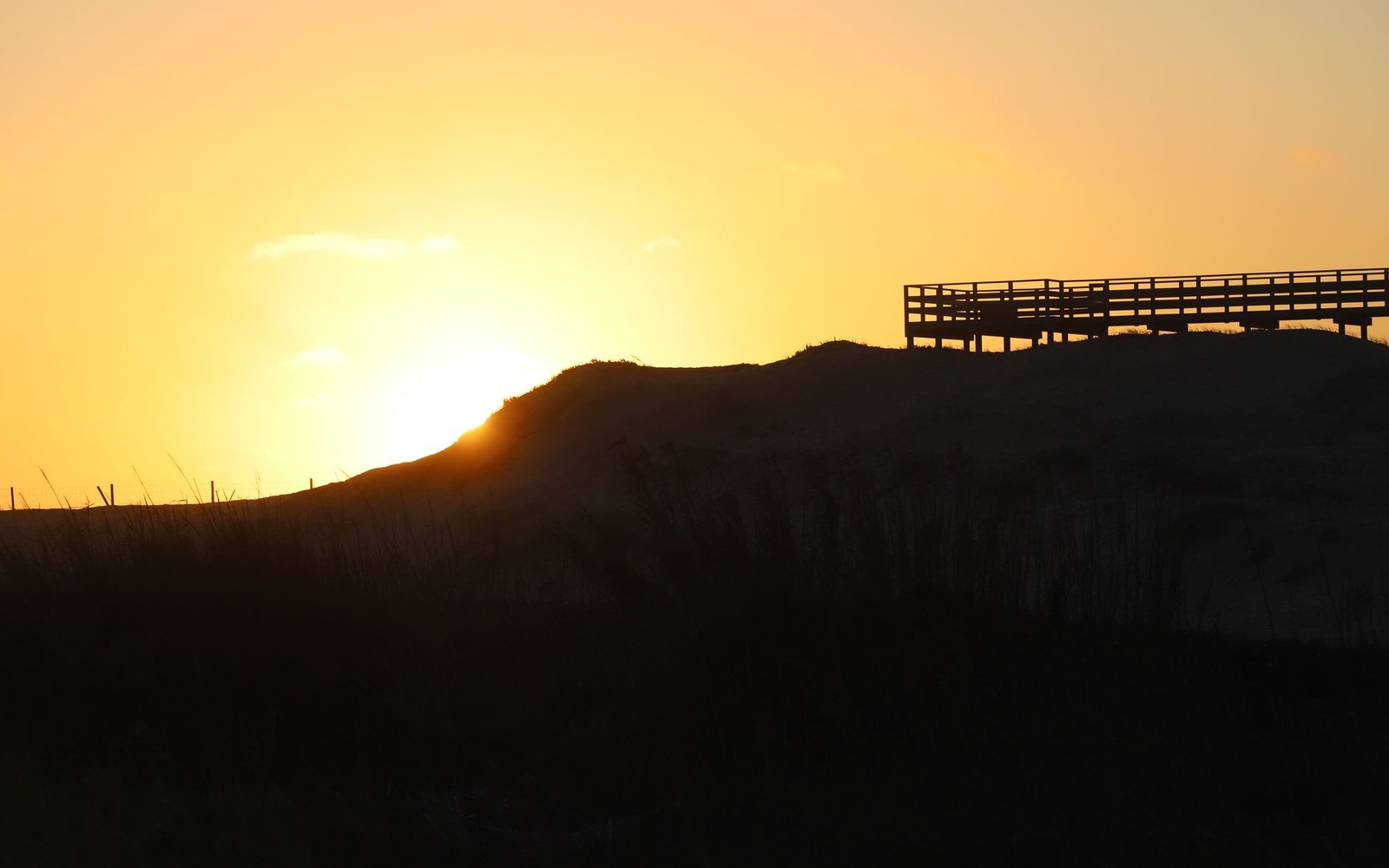
What Ropes and Mats Are Actually Doing
Winter closures, temporary greens, boardwalked paths and rerouted walkways are not inconveniences — they are the same argument as rock armour, stated…
Read this piece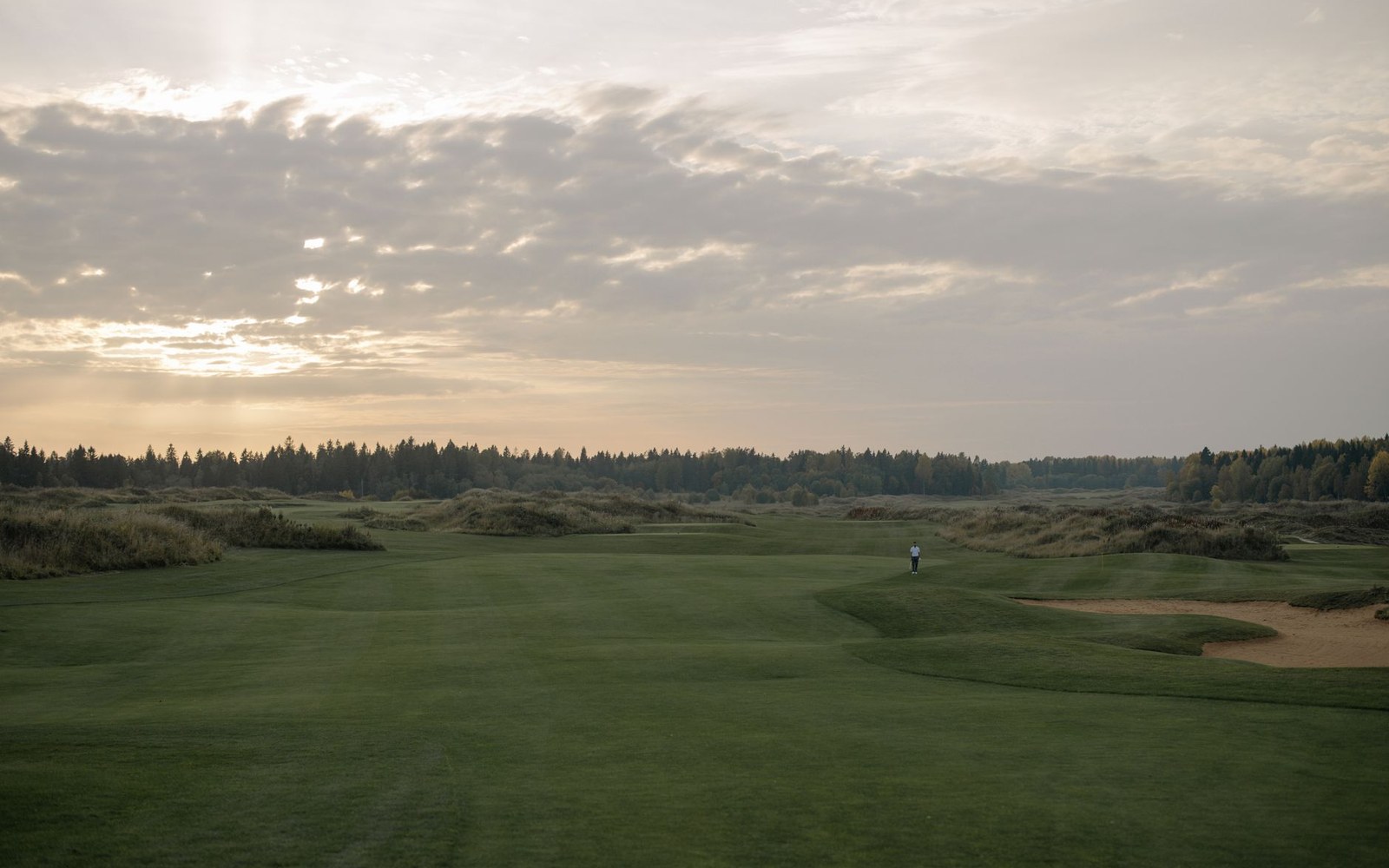
What the R&A's Sustainability Programme Actually Covers
The R&A's Golf Course 2030 and its successor documents set targets for water use, chemical reduction and habitat management that apply directly to…
Read this piece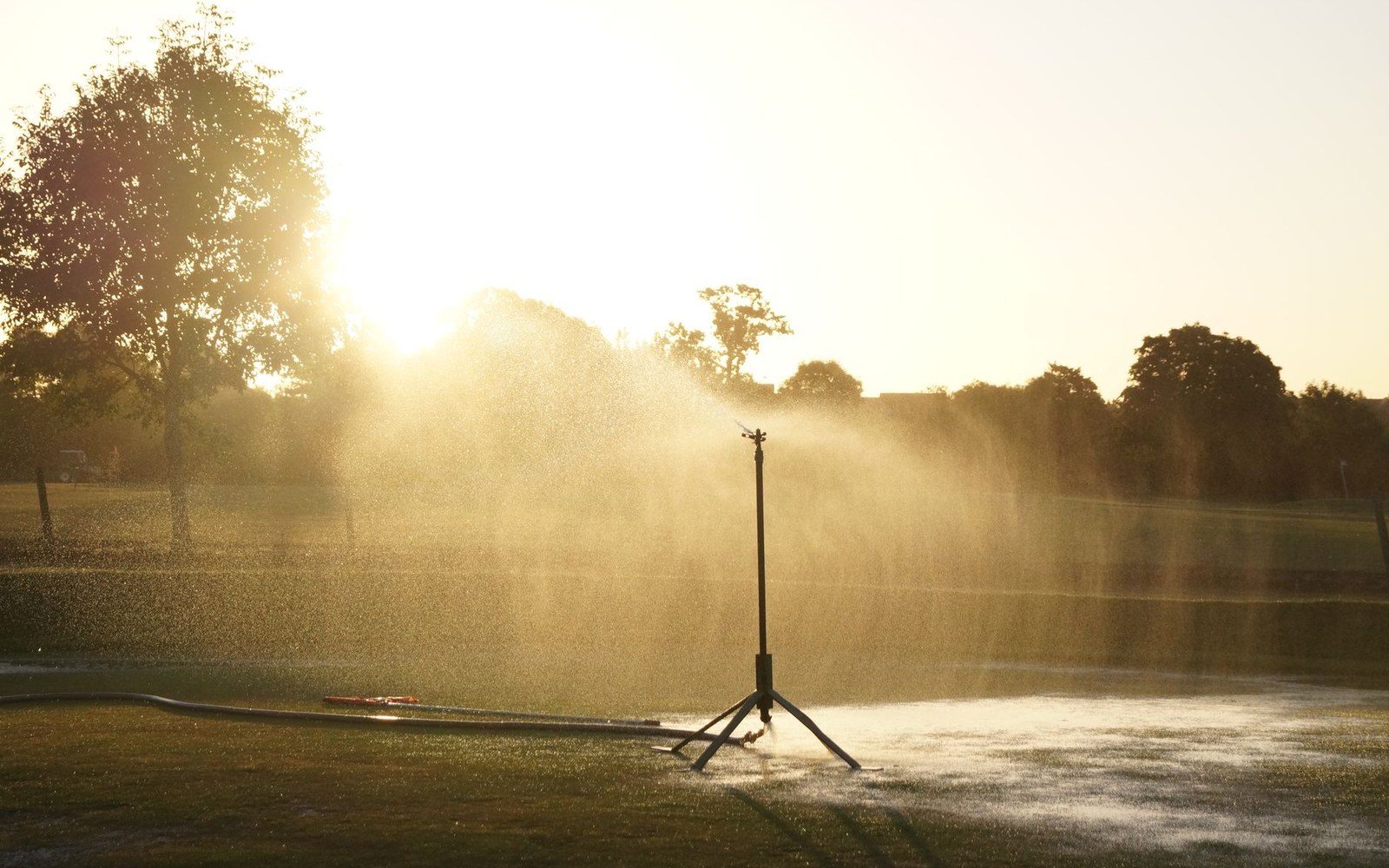
Irrigation Licensing on a Links That Doesn't Want Water
Links courses were not designed to be irrigated, and most of what makes links turf fast and firm depends on keeping it dry. The piece traces Ireland's…
Read this piece