The Grass That Holds the Dune Together
Ammophila arenaria spreads by rhizome, is planted and fenced and buried deliberately, and still counts as the cheapest coastal defence available. This piece traces how the root system holds a dune together and why cutting the dune toe destroys it.tem works, why cutting the dune toe destroys it from below, and what happens to the fairway sitting on the crest when it does.
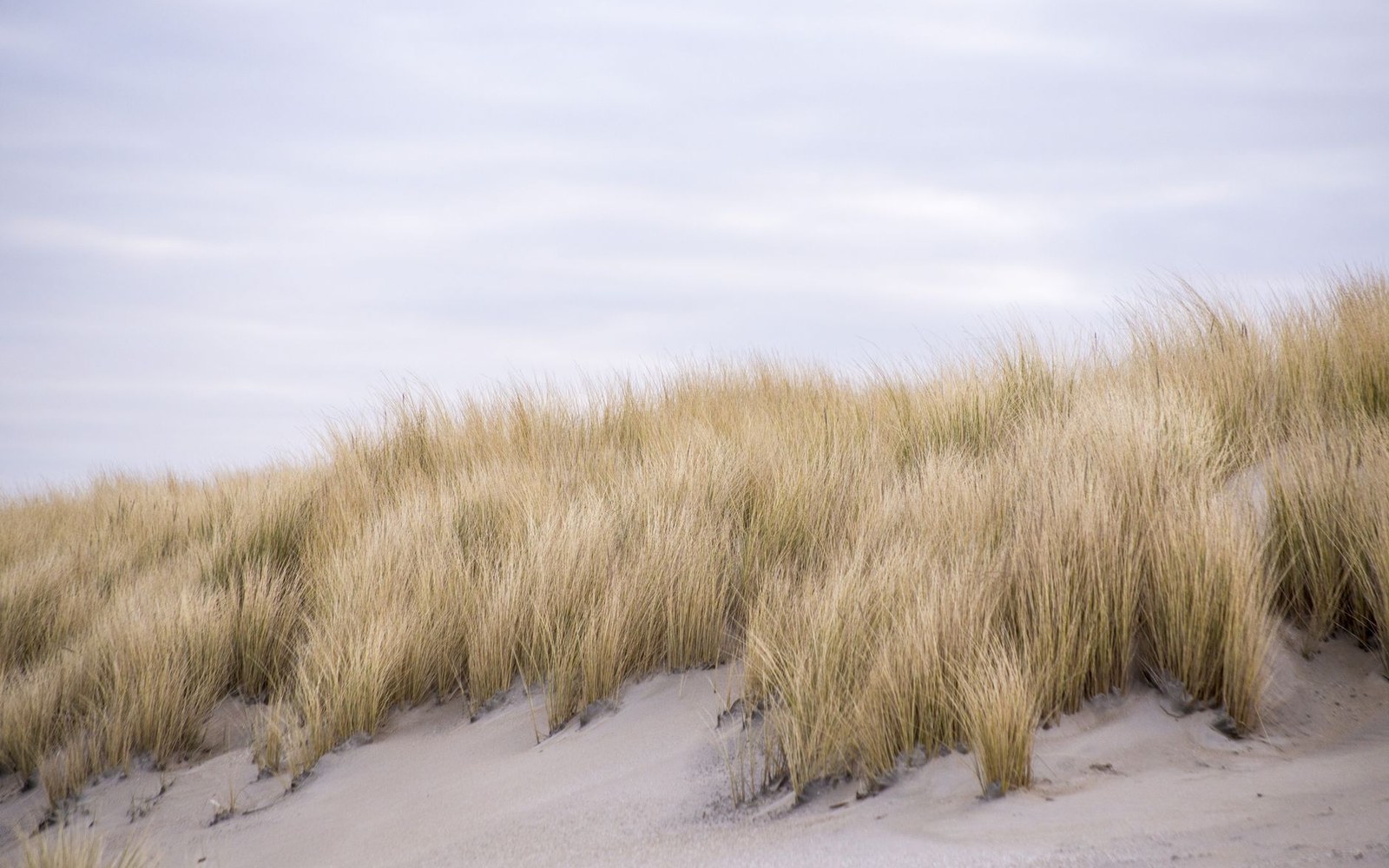
Rhizomes go down further than the grass stands up.
Photo: Pixabay / Pexels
Marram's root network is the structural fabric of every Irish links dune — and it fails in a specific, predictable sequence
How Marram Builds and Binds
Ammophila arenaria — marram grass — does not grow in spite of being buried in sand. It grows because of it. Each time a storm deposits a new layer across a dune face, marram sends fresh rhizomes laterally through the new material, extending its horizontal root network and forcing vertical tillers upward toward the light. A single established plant can hold several cubic metres of sand against direct Atlantic wind. A mature dune ridge colonised end to end by marram is, below the surface, a three-dimensional mat of interlocking stems and roots capable of absorbing the energy that would otherwise scatter the whole formation downwind.
This is why greenkeepers and conservation managers plant marram by hand after storm damage, pressing cut tillers directly into raw sand and fencing the area against foot traffic while the rhizomes establish. The technique is old and the material is free; it remains, as Geological Survey Ireland's coastal monitoring work documents, the most cost-effective dune stabilisation available to land managers anywhere on the Irish Atlantic coast. No engineered revetment approaches it for longevity at this scale.
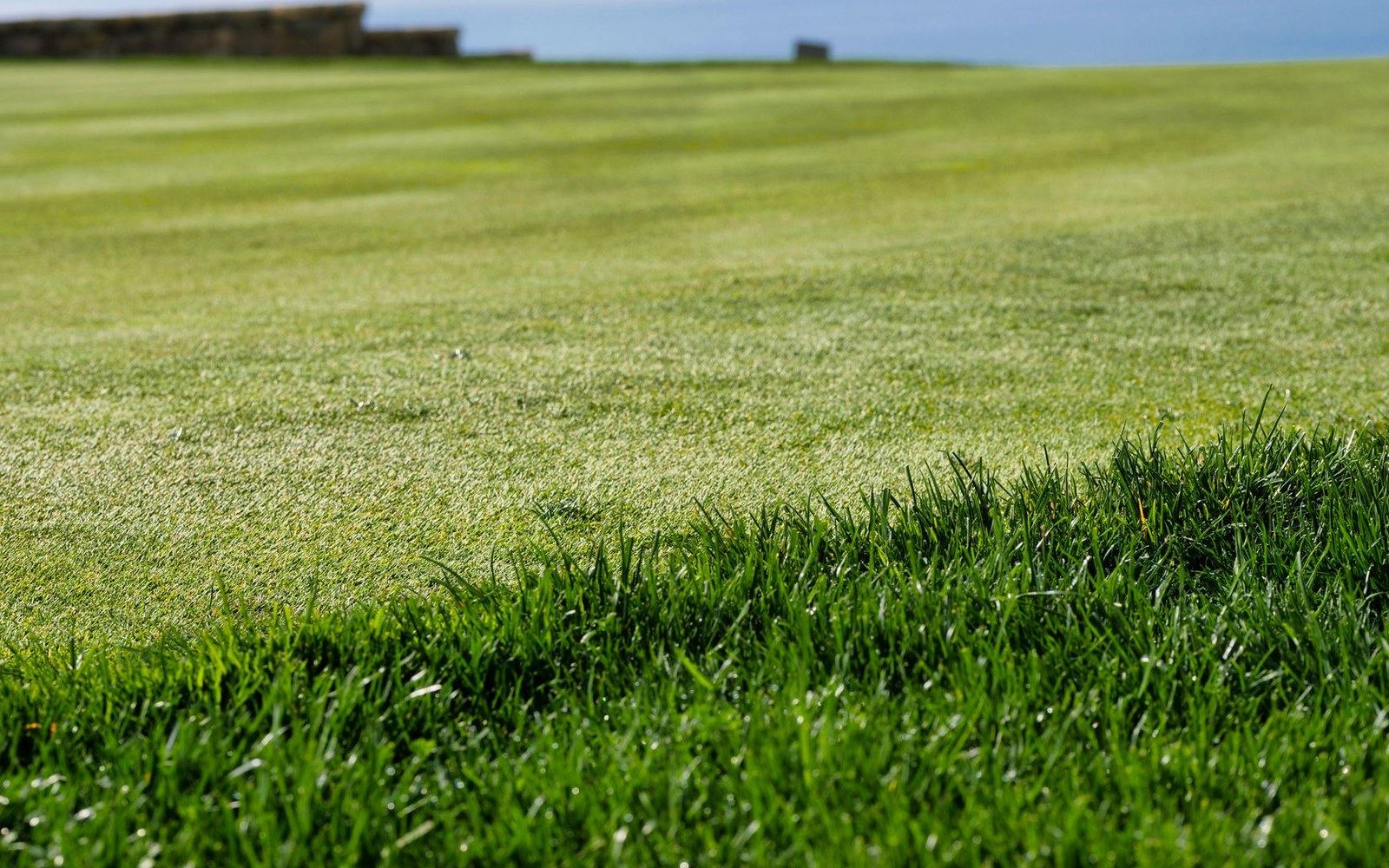

Two swards, one watering can between them. Rock armour buys time and changes the look of a hole permanently. Where it goes in, it goes in because the alternative was losing the hole.
Photo: Kindel Media / Pexels · Photo: Royal Portrush 8th hole · Wikimedia Commons
The grass has one weakness: it needs the dune to be structurally intact from the toe upward. Undermine the base, and the whole system unravels in a sequence that is well understood and still underestimated.
The Dune-Toe Failure Sequence
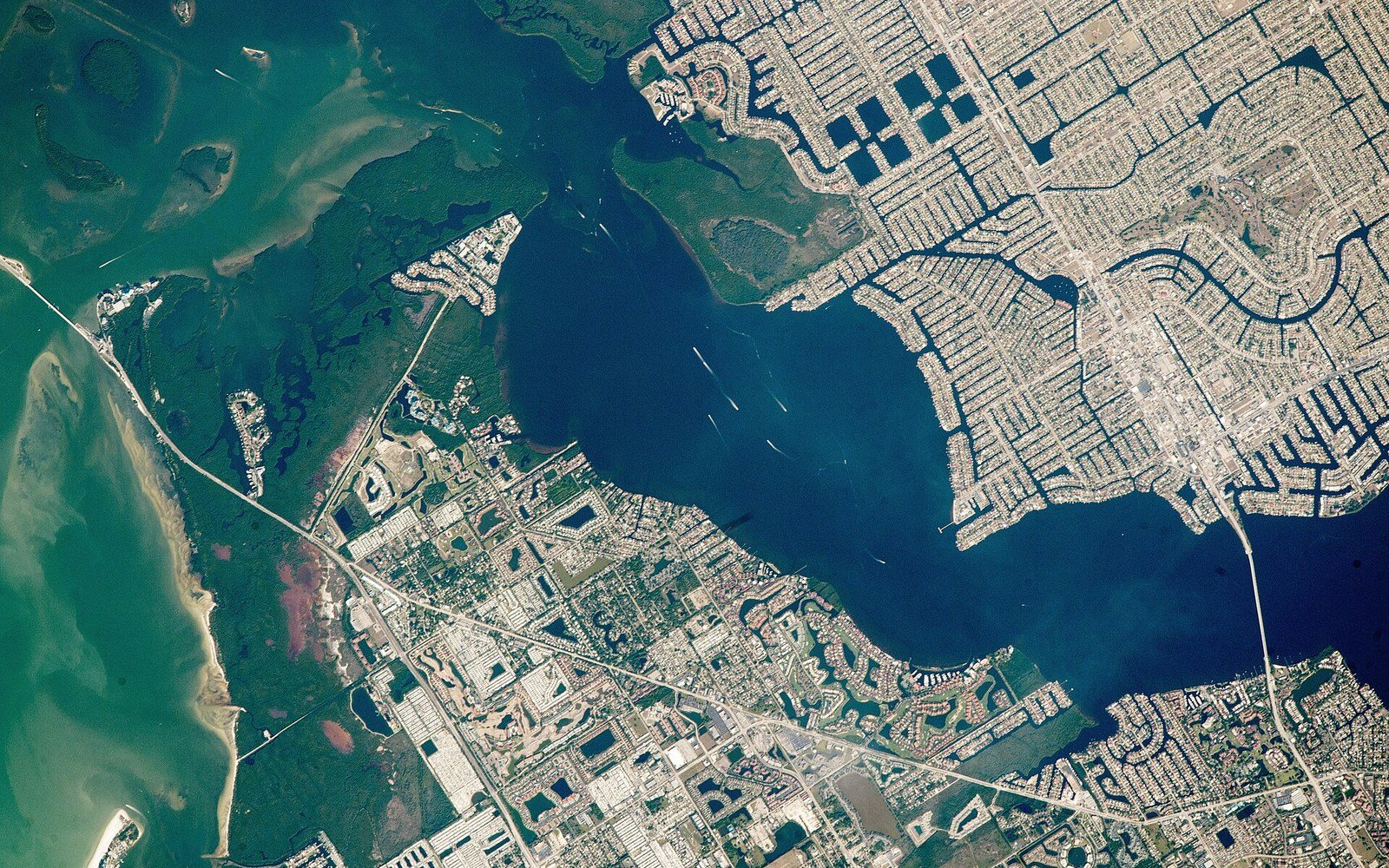
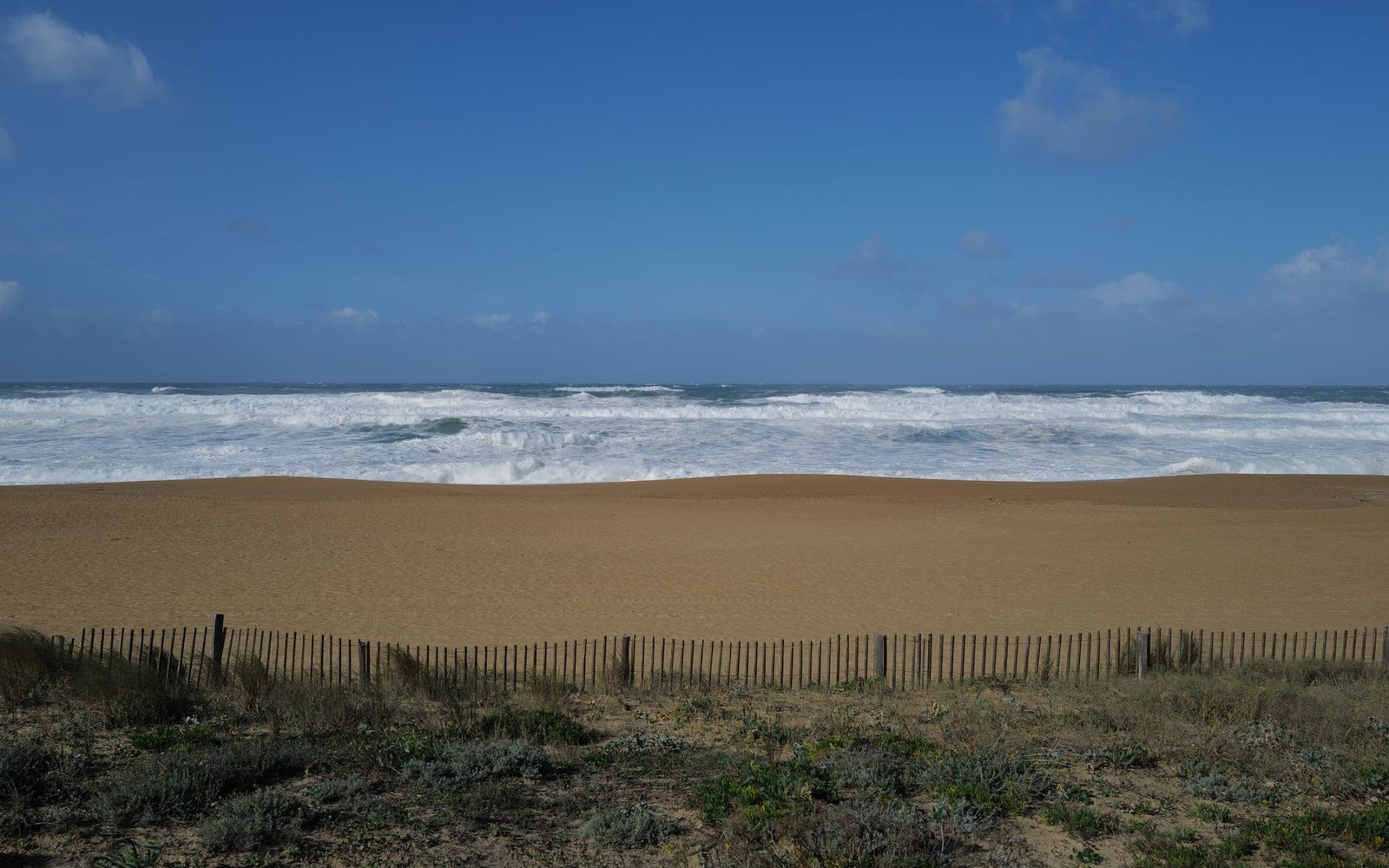
The dune toe is the lowest seaward edge of the ridge — the point where the slope meets the beach and where wave scour first makes contact during a storm surge. When wave energy cuts into this base, it creates a wave scarp: a near-vertical face that removes the supporting sand beneath the established root mat above. The marram above the scarp does not immediately die; its rhizomes remain intact. But the sand they were binding is gone, and the angle of repose of the material above — roughly thirty to thirty-four degrees for dry dune sand — is now exceeded. Slumping follows, exposing fresh bare sand to the wind.
Wind entering bare sand at the face of an existing scarp will, if left unchecked, excavate backward into the dune body. This is the mechanism that opens a dune blowout: a relatively small wave-scour event at the toe becomes a self-reinforcing wind-erosion channel cutting toward the crest. Once a blowout is established, the marram on its edges dies from lack of the burial stimulus it depends on — the bare-sand bowl is now stable in the wrong sense, locked in an eroding rather than an accreting phase.
At most Irish links, the outer fairway holes or the rough bordering them sit directly on this dune crest. The turf there is not laid on a foundation the way a road is; it is the biological surface of a sand body that is actively maintaining its own shape. Remove the toe, and the fairway two hundred metres inland is already on borrowed time. The timetable depends on storm frequency and the length of time before management intervention, but the causal chain from wave scarp to fairway loss is direct.
What Management Can and Cannot Do
Replanting marram after toe erosion is not futile, but it works only if the sand body has stabilised enough for rhizomes to establish before the next significant wave event. Emergency planting is normally done while the grass is dormant, between autumn and early spring. Chestnut-paling fencing, placed seaward of the planted zone, deflects pedestrian traffic and accumulates wind-blown sand against the young plants, reproducing the burial stimulus that triggers lateral root growth.
What management cannot do — without major engineered intervention — is replace sand volume once it has been removed from the active dune system. The R&A's Golf Course 2030 sustainability framework recognises dune integrity as a material asset, not merely a habitat, and links the long-term playability of coastal holes directly to the health of the vegetation that underpins them. Fescue fairways on a dune crest are only as permanent as the rhizome mat beneath the slope they stand on, and that mat is only as permanent as the toe is left undisturbed.