The Holes That Have Already Gone
A record of specific holes or tee positions lost or permanently relocated at named Irish links clubs because of coastal erosion, with dates and the remediation chosen. Not a warning about the future — a record of what has already happened.
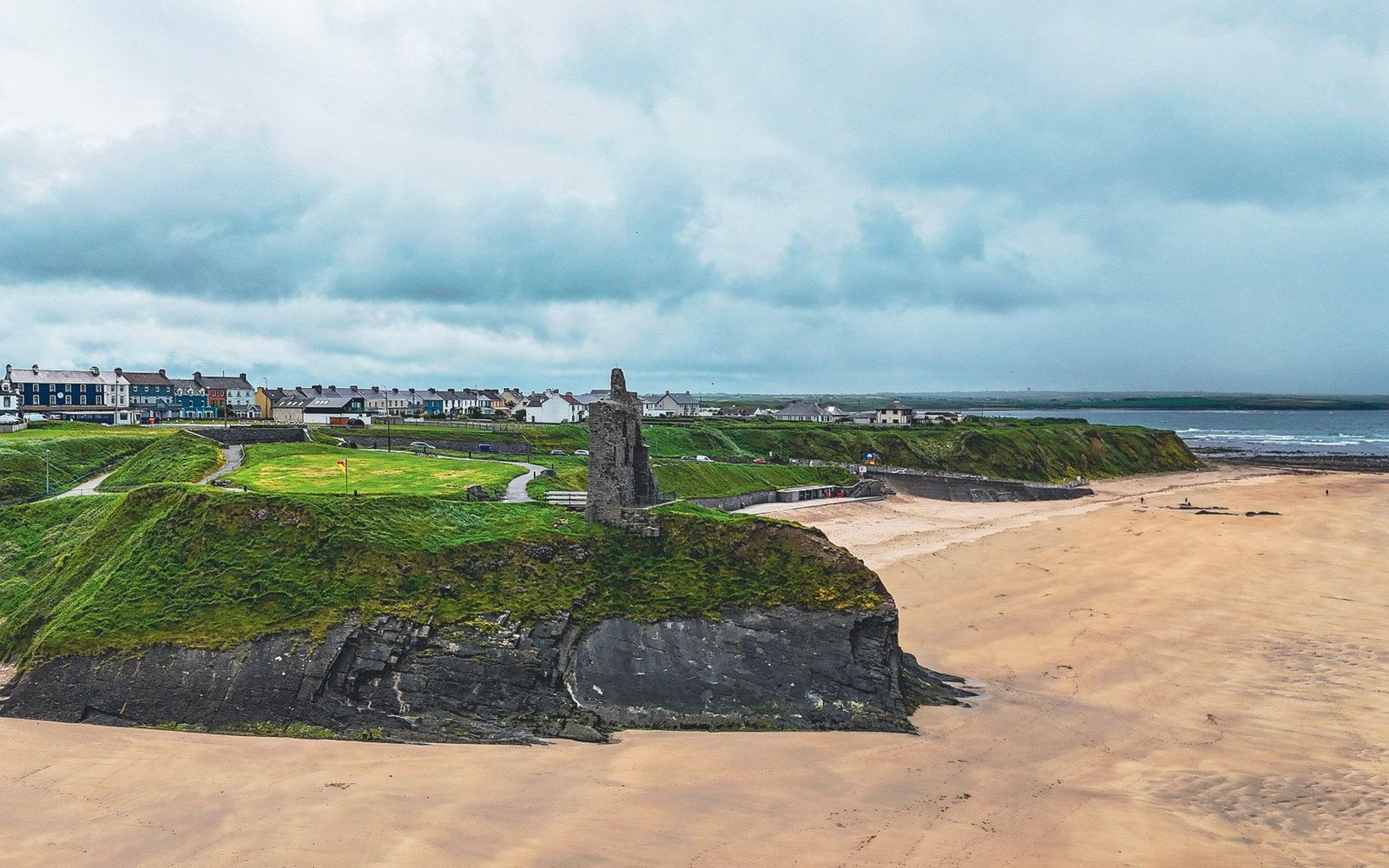
Where the hole used to be.
Photo: Dahlia E. Akhaine / Pexels
A record of what coastal erosion has already taken from named Irish links courses
The language around links and the sea is almost always future tense — threats, projections, scenarios. But the losses are not theoretical. Several Irish courses have already surrendered holes or tee positions to the Atlantic, and the changes are recorded in club histories, routing maps, and the amended scorecards that replaced them.
What the Records Show
At Ballybunion Old Course, the cliff edge on the inland side of the Shannon estuary has been retreating for well over a century. The most consequential documented loss is the original green site for what is now the eleventh hole: the putting surface had to be repositioned inland after wave scour destabilised the dune face beneath it, a wave scarp effectively removing the ground from under the turf. The current green sits further from the cliff than the layout's first-generation maps show. The club has reinforced sections of the cliff edge with rock armour — the same basic response used on exposed Atlantic coastline across County Kerry — but the original ground is gone and is not coming back.
Lahinch presents a different pattern. The course Old Tom Morris laid out in 1892 extended closer to the beach than the present routing does in several places, and successive revisions — most significantly by Alister MacKenzie in 1927 — consolidated holes away from the most exposed dune faces. Not every change was driven purely by erosion; MacKenzie had architectural reasons of his own. But the beach-side exposure of the original first few holes, visible on early ordnance survey overlays, reflects ground that is no longer safely usable for golf.
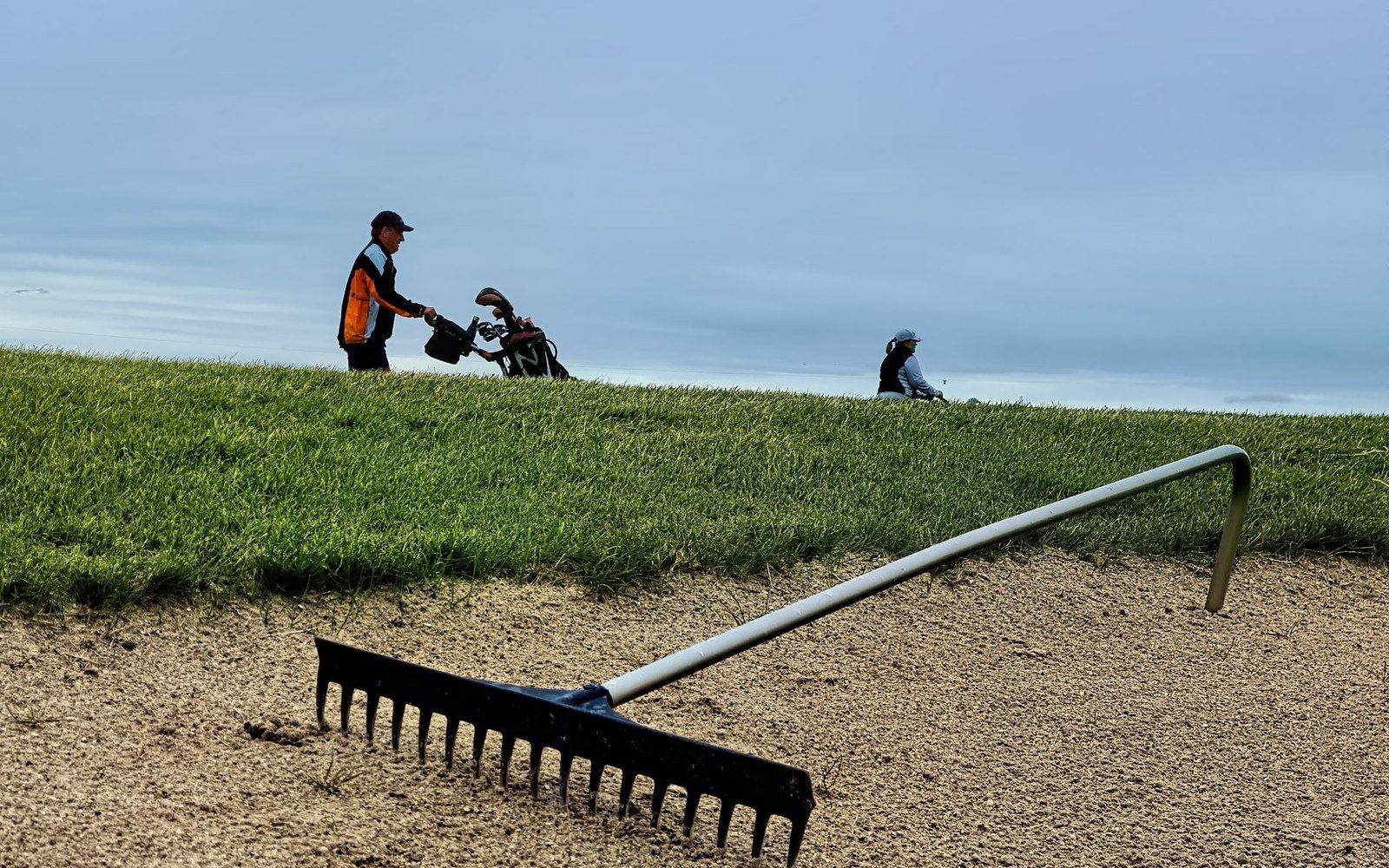
Ropes and mats are the same argument as rock armour, stated in timber. Turf cut, stacked and pinned by hand: a bunker face is rebuilt rather than repaired.
Photo: Hugo Francisco / Pexels · Photo: Martin Magnemyr / Pexels
At Enniscrone on the Sligo coast, a tee for one of the back-nine holes was relocated in the 1990s after blow-out erosion removed the stable dune platform it had sat on. The replacement tee sits on consolidated ground behind a newer dune ridge. The distance change was marginal; the reason for it was not.
County Sligo Golf Club at Rosses Point has maintained records showing periodic repositioning of tee markers and, in at least one case, a tee box being rebuilt on the seaward side of the course, in response to dune-face instability. The Benbulben backdrop has not changed; the ground beneath the tees has.
Royal Portrush is the best-documented case, though for different reasons. The 2019 Open Championship required the club to retire the old 17th and 18th holes and replace them with two new holes, the seventh and eighth, cut by Martin Ebert into dunes the club had held in reserve. The retired holes did not fall into the sea; they were surrendered to the course alterations Martin Ebert made to bring The Open back. But the old routing is gone from competitive use permanently, and the holes that replaced it required an entirely new section of turf to be established.
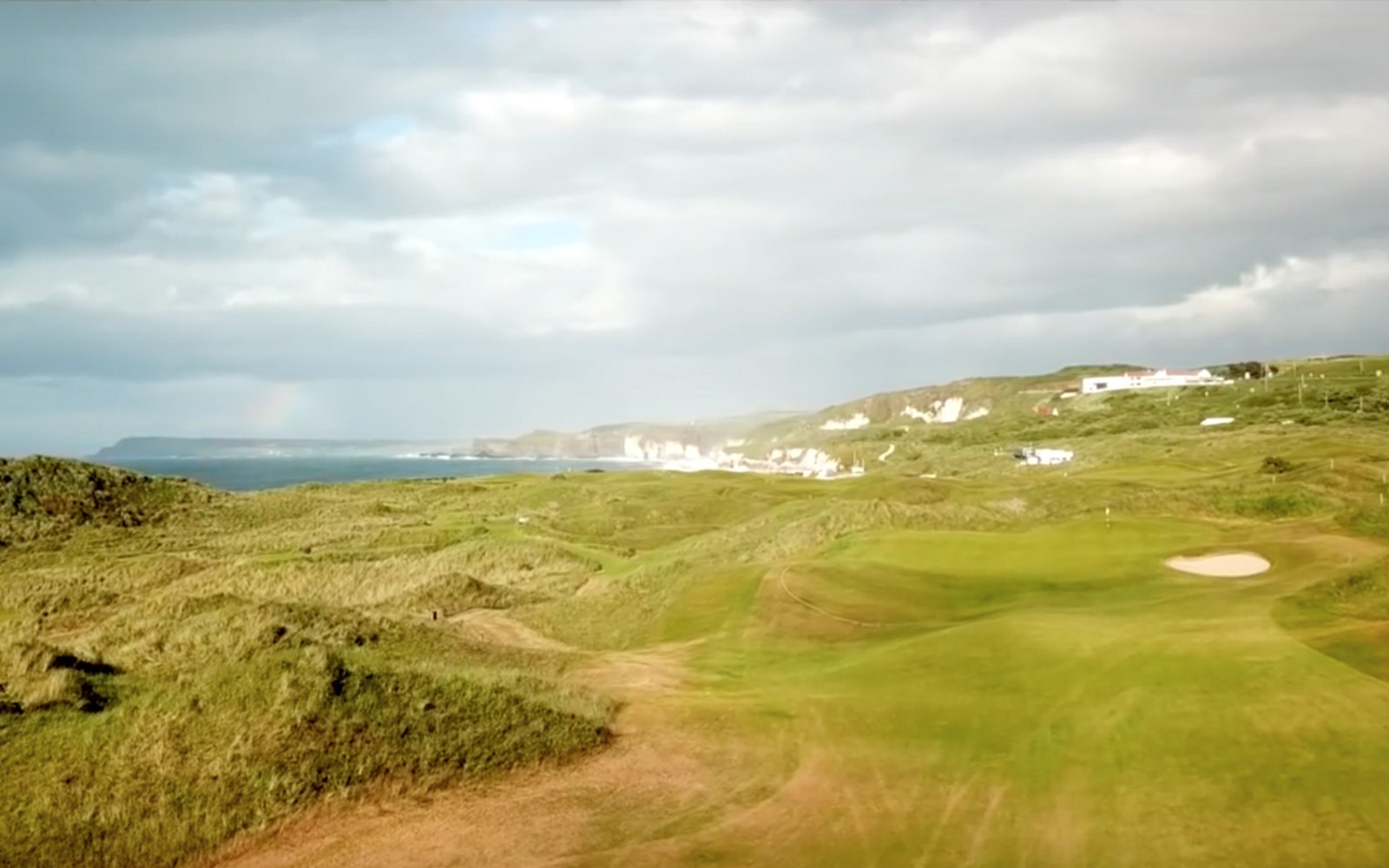
Rock armour buys time and changes the look of a hole permanently. Where it goes in, it goes in because the alternative was losing the hole.
Photo: Royal Portrush 8th hole · Wikimedia Commons
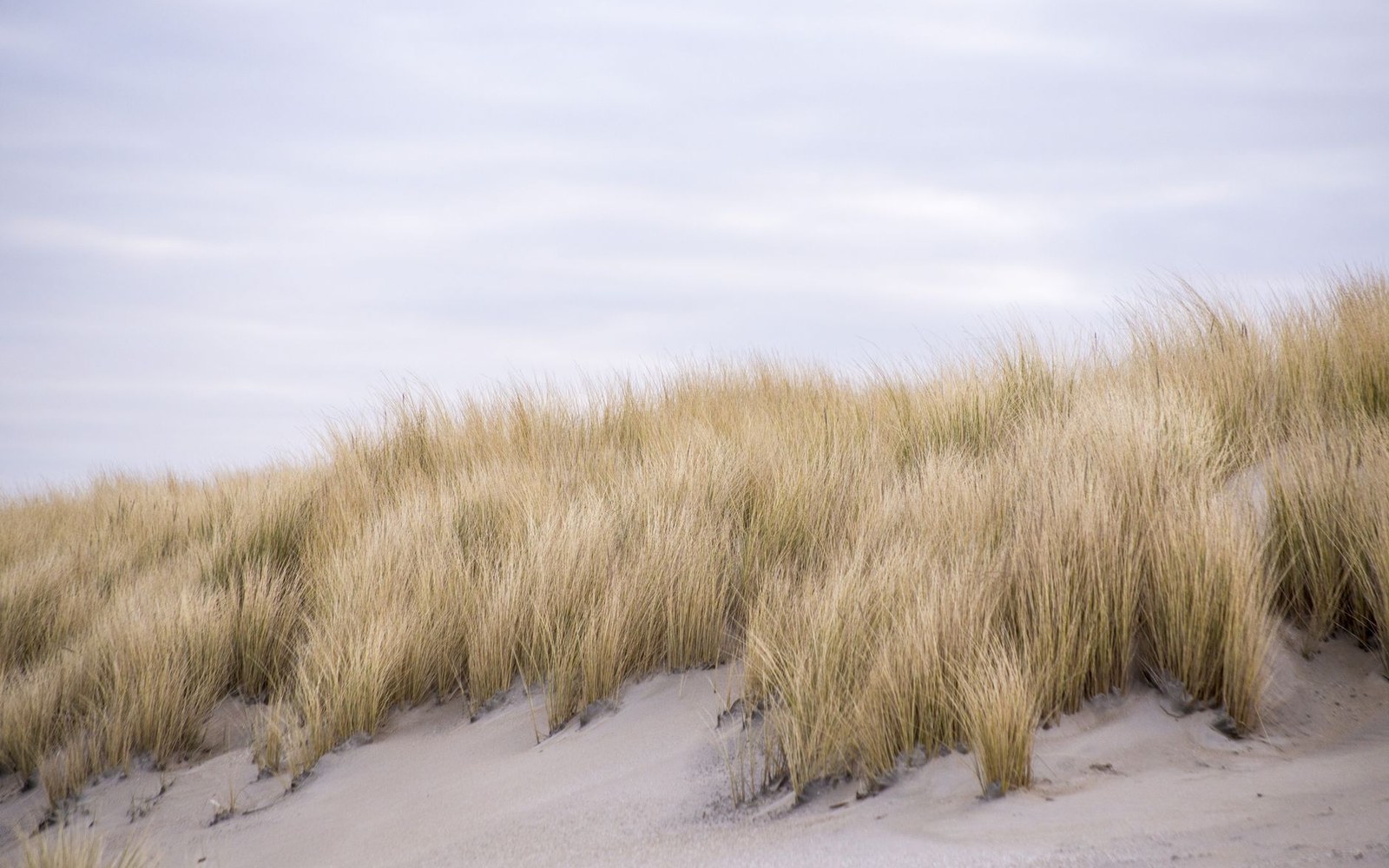
What these cases have in common is the nature of the remediation chosen. Rock armour and geotextile revetment protect what remains. Ammophila arenaria planting stabilises exposed sand. Tee and green relocations buy distance from the active erosion front. None of these measures restore what was lost. They prevent further loss from the new boundary.
Geological Survey Ireland publishes coastal erosion-rate data showing that stretches of the Atlantic coast are retreating at measurable rates per decade. The IPCC's Sixth Assessment Report projects that sea-level rise will accelerate those rates across exposed western coastlines. Against that baseline, the losses already recorded at Ballybunion, Lahinch, Enniscrone, and Rosses Point are not a prologue. They are the opening chapters of a record that is still being written.