What the R&A's Sustainability Programme Actually Covers
The R&A's Golf Course 2030 and its successor documents set targets for water use, chemical reduction and habitat management that apply directly to links clubs. This piece reads the published programme against what it asks of courses on the Atlantic coast specifically.

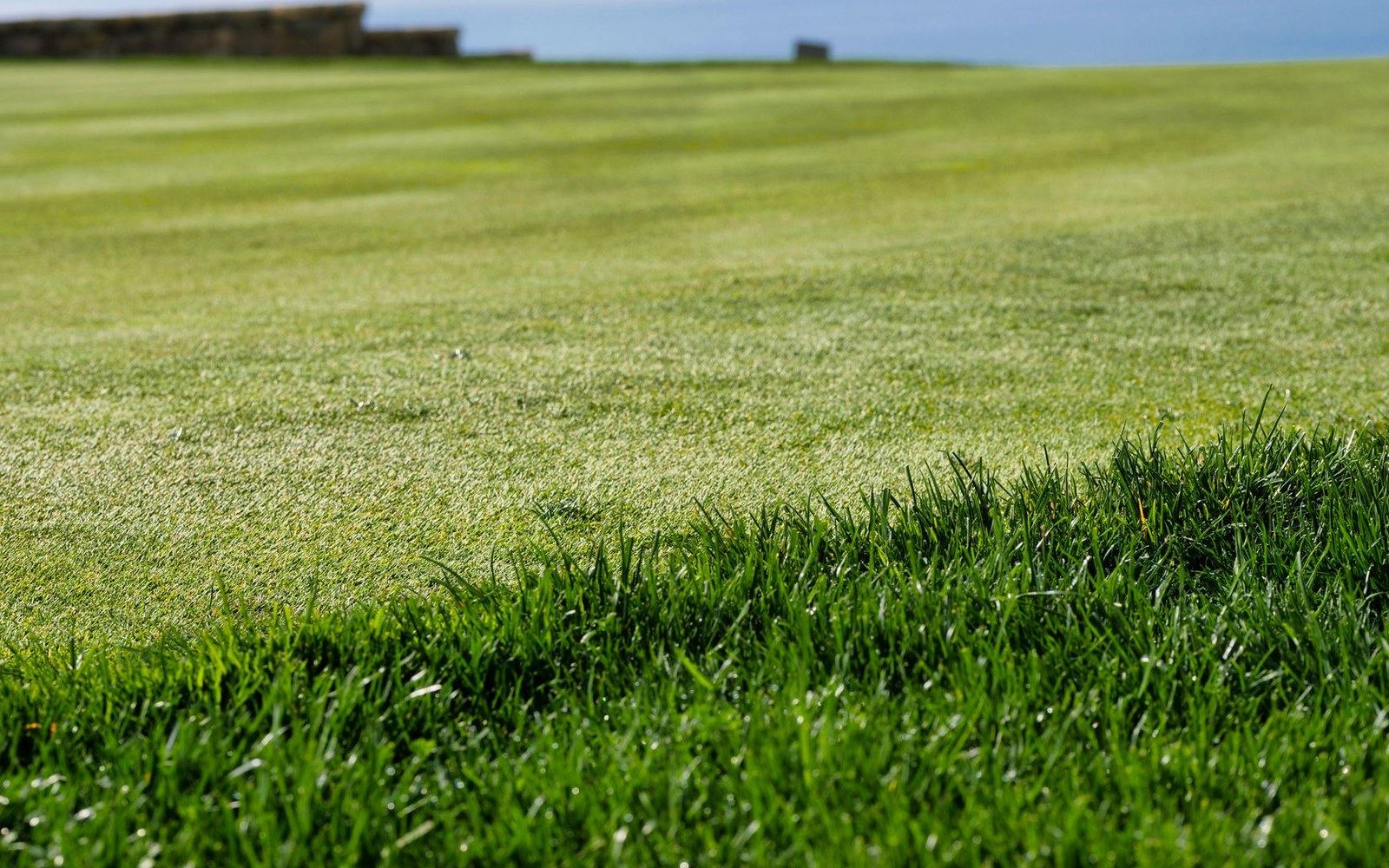
Fairway edge, dune rough, and the line a programme draws between them.
Photo: cottonbro studio / Pexels
Golf Course 2030 sets real targets for water, chemicals and habitat. Here is what the programme actually commits affiliated clubs to, and why links courses sit in a different position from parkland.
The Framework and What It Demands
Golf Course 2030 is the R&A's published sustainability framework, launched in 2020, setting targets across three areas: water consumption, agrochemical reduction, and biodiversity and habitat management. It applies to clubs affiliated to Golf Ireland and to any course hosting R&A-sanctioned events. For clubs on the Atlantic coast, the programme lands differently than it does on a parkland venue in the midlands — sometimes less demanding, sometimes considerably more so.
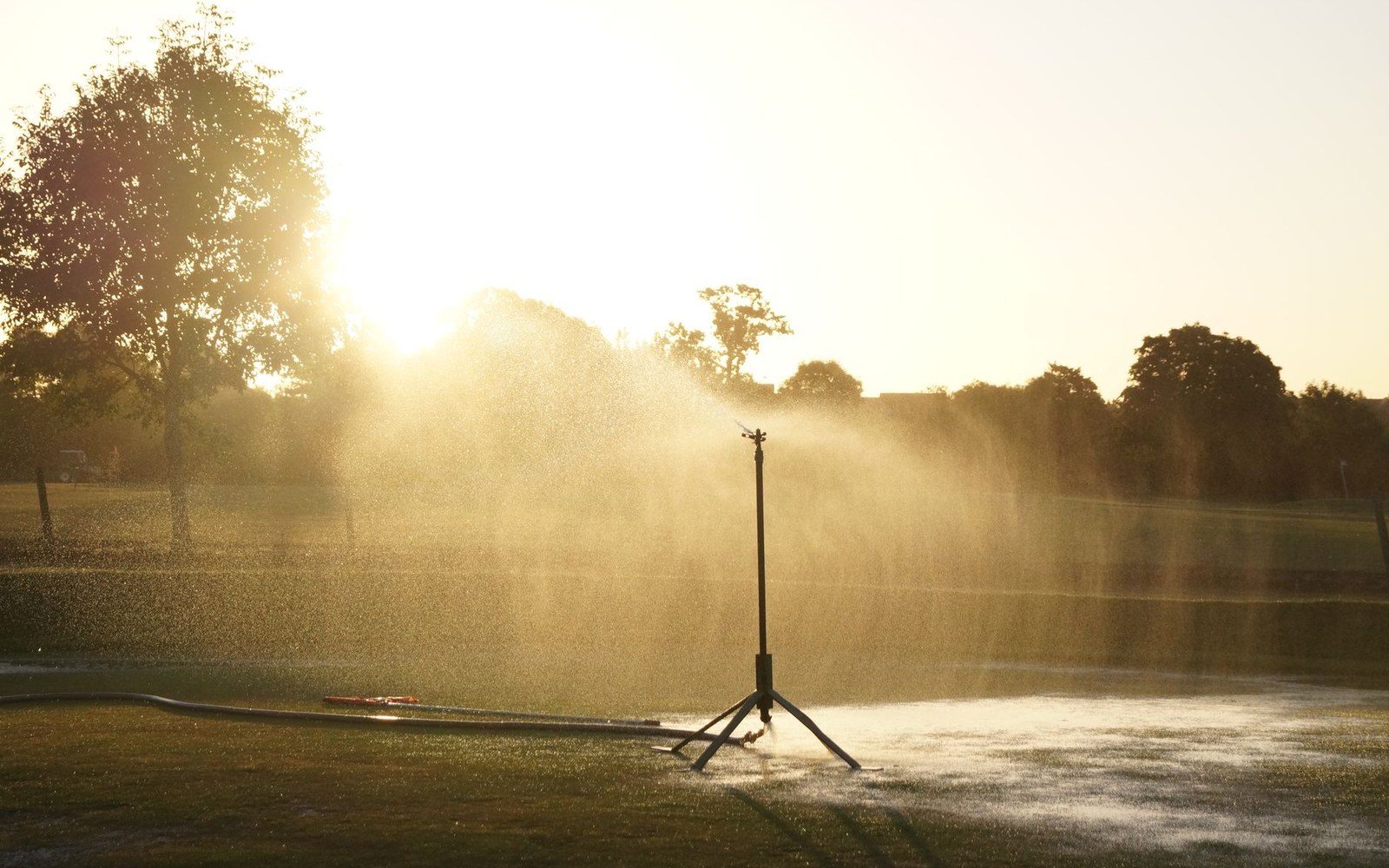
On water, the targets are the clearest. Golf Course 2030 calls for a measurable reduction in irrigation volumes and requires clubs to demonstrate they are actively monitoring consumption, ideally through soil-moisture probes that give greenkeepers real-time data rather than schedule-based watering. Links courses were never designed to be irrigated. The free-draining sand beneath a links fairway, combined with fescue grass that tolerates drought and dies back rather than browning out permanently, means a well-managed links course can run an entire dry summer on minimal supplemental water. That structural advantage is partly why so many Irish links predate modern irrigation infrastructure, and why the water targets, while real, impose less remedial cost on a course at Ballybunion or Enniscrone than on a heavily watered parkland layout.

A links was not designed to be watered. Rock armour buys time and changes the look of a hole permanently. Where it goes in, it goes in because the alternative was losing the hole.
Photo: ClickerHappy / Pexels · Photo: Royal Portrush 8th hole · Wikimedia Commons
Agrochemical reduction asks clubs to reduce pesticide and synthetic fertiliser inputs across a defined period, with the 2030 target representing a significant percentage cut from each club's own baseline. The mechanism matters here: links turf, dominated by fine fescue rather than Poa annua, naturally resists the weed and disease pressure that drives pesticide use on more pampered surfaces. A links course managing its fescue well — keeping soils lean, avoiding oversupply of nitrogen — has less chemical dependency to begin with. The real pressure points are the putting surfaces, where greenkeepers must maintain playable speeds without triggering the Poa annua incursions that follow any heavy feeding regime. Golf Course 2030 does not ask clubs to remove all chemistry from greens, but it does require documented reduction and an auditable record of inputs.
Where the Programme Gets Harder for Coastal Courses
Habitat management is where the programme asks the most original work from links clubs. The R&A's framework requires affiliated courses to assess, document and actively manage the semi-natural habitats within their boundaries — dune systems, rough grassland, wetland margins. For a links course on the Atlantic coast, this means taking account of features that were present before golf arrived: dune ridges, marram-covered blowout bowls, and the dense rough that provides not just difficulty but ecological function.
The tension here is structural. A links course managed for championship conditioning tends to push fairway edges outward and tighten rough lines, which reduces the untouched dune habitat the programme is trying to protect. The Geological Survey Ireland documents active erosion on the Atlantic coast at rates sufficient to alter a course perimeter within a decade; the marram grass and intact dune faces that Golf Course 2030 asks clubs to maintain are simultaneously the primary coastal defence. Doing both — protecting habitat and managing erosion — is less a conflict than a convergence of interest that the programme explicitly acknowledges.
The R&A has not published a single mandatory audit format. Clubs are expected to use qualified agronomists, and Golf Ireland administers the process domestically through its own club-support network. What the programme produces at club level is an annual record: water volumes, chemical inputs, and a habitat assessment against a baseline survey. The audit trail exists to inform future R&A decisions, including venue selection for major championships — an incentive not lost on clubs with championship ambitions.
Golf Course 2030's successor documentation is expected to tighten the water and chemical targets as 2030 approaches. For Atlantic links courses already running lean on both fronts, the habitat obligations are the live frontier, demanding something these courses have not traditionally been asked to do formally: account for the ground beneath the golf.