What Ropes and Mats Are Actually Doing
Winter closures, temporary greens, boardwalked paths and rerouted walkways are not inconveniences — they are the same argument as rock armour, stated in timber and rope. The piece explains what wet-weather traffic does to dune turf and why every worn path is a blowout that has not started yet.
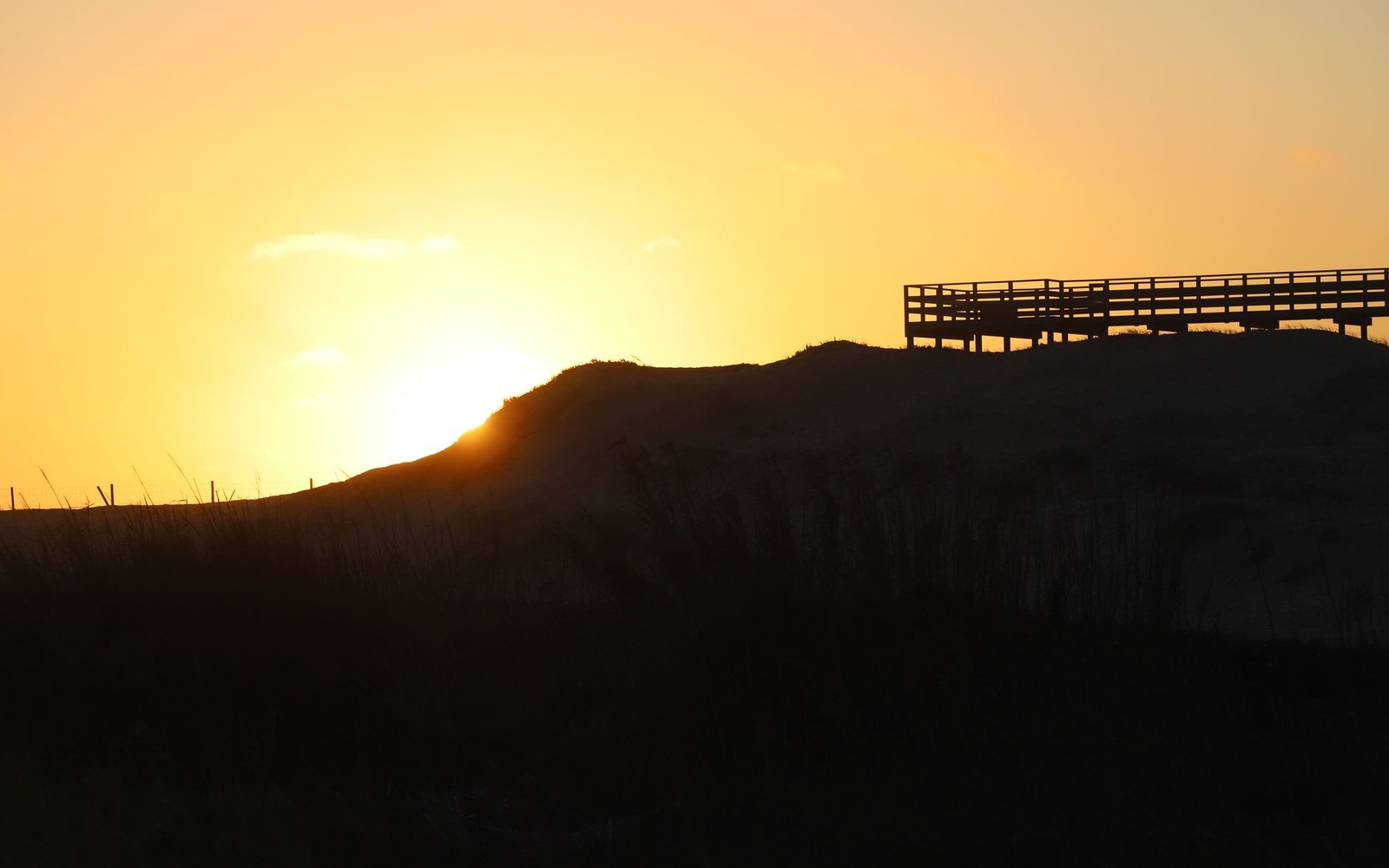
Ropes and mats are the same argument as rock armour, stated in timber.
Photo: Hugo Francisco / Pexels
The infrastructure of kept ground
Temporary greens, boardwalked paths, and winter tee mats look like inconveniences. They are not. They are the same argument as rock armour and marram planting, stated in timber and rope: keep concentrated foot traffic off saturated dune turf before the turf gives way.
The mechanism is straightforward. Healthy links turf — fescue-dominant, dry, and slow to compact — can absorb a walker's weight and recover. Saturated turf cannot. In wet conditions, each footfall compresses the soil column, expels air from the pore spaces, and shears the root mat. On flat ground this produces mud. On a dune slope, it produces something worse: bare sand, exposed to wind, without the rhizome network of Ammophila arenaria — marram grass — to hold it in place.
Bare sand on a dune slope is not a cosmetic problem. Wind exploits the gap. Within a season, a worn footline across a dune face can widen into a dune blowout — a self-reinforcing excavation that the dune cannot repair unaided. Geological Survey Ireland documents erosion rates along the Atlantic coast in metres per decade; the internal damage a blowout does to a dune ridge accelerates that loss from the landward side before the sea has even arrived.
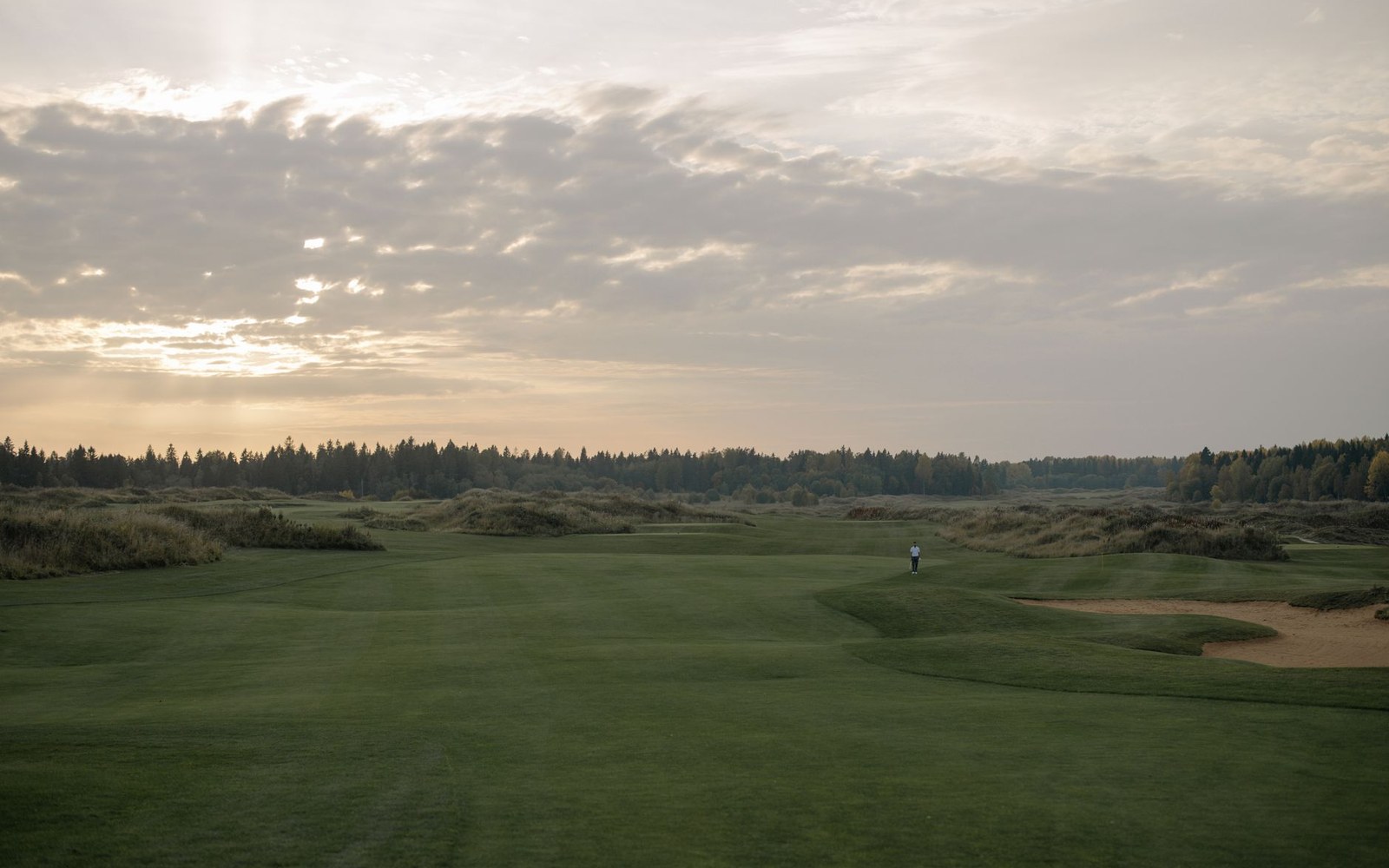

Fairway edge, dune rough, and the line a programme draws between them. The toe is where the argument is.
Photo: cottonbro studio / Pexels · Photo: Ballybunion Golf Club - 10th hole · Wikimedia Commons
Boardwalked paths interrupt this sequence at the earliest step. By elevating foot traffic above the surface, they keep load off the root zone entirely. Rope barriers around greens and through-routes are calibrated to the same end: they deflect the instinct to cut across a dune face rather than follow the longer, stable path. Winter temporary greens move concentrated putting traffic off the main surfaces during the months when soil moisture is highest and recovery is slowest. Each measure buys time — for root systems to consolidate, for marram to spread, for moisture levels to fall.
None of this is new thinking. Greenkeepers at Ballybunion, Lahinch, and Carne at Belmullet have roped dune paths and closed vulnerable corridors for decades, long before sustainability frameworks formalised the rationale. What the R&A's Golf Course 2030 programme adds is a documented standard and shared language: path management, surface monitoring, and seasonal closures are now recorded alongside water and chemical data as part of a course's stewardship record.
The visitor who finds a boardwalk where an open path used to run is looking at a specific calculation. The cost of the timber is weighed against the cost of losing a dune slope — and, eventually, everything the dune was protecting.