Irrigation Licensing on a Links That Doesn't Want Water
Links courses were not designed to be irrigated, and most of what makes links turf fast and firm depends on keeping it dry. The piece traces Ireland's water-use licensing framework, the pressure from visitor expectations, and what soil-moisture probes have changed in the daily management decision.
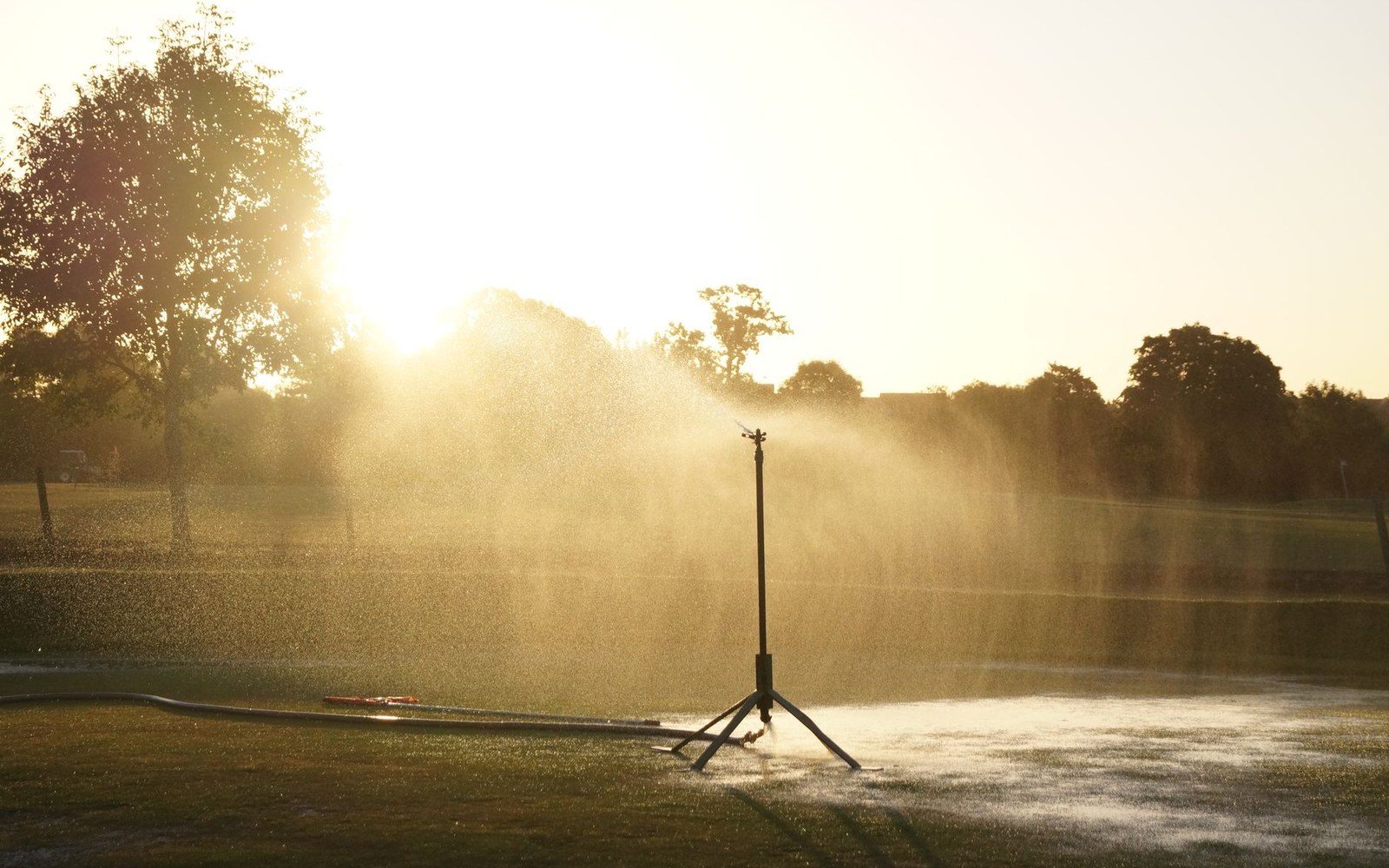
A links was not designed to be watered.
Photo: ClickerHappy / Pexels
Water is the enemy of links turf — yet the licensing burden of using it is growing
The regulatory layer most golfers never see
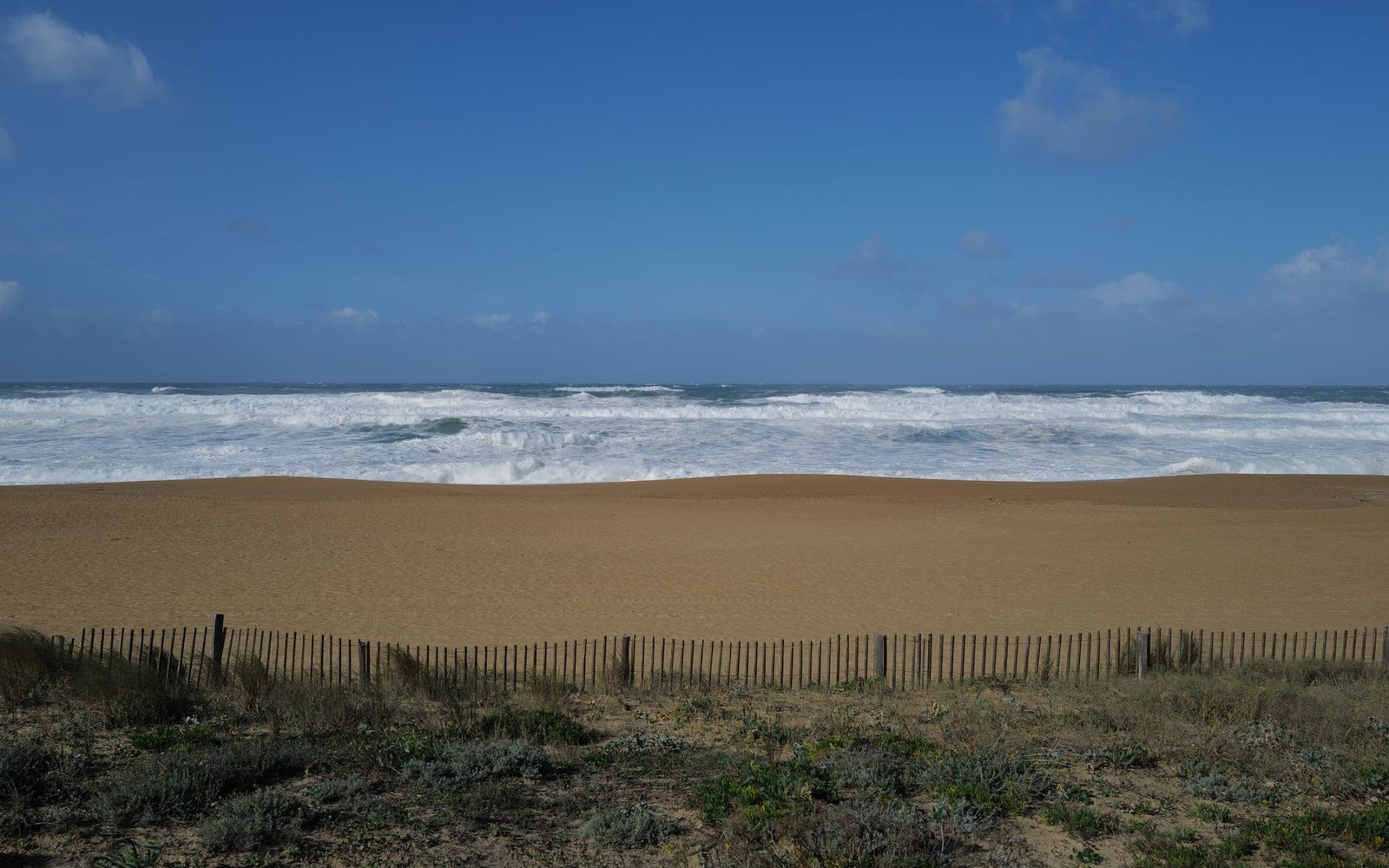
Every golf course drawing water from a river, lake or groundwater source in Ireland requires registration or authorisation under the abstraction regime administered by the Environmental Protection Agency. For links courses, the irony is structural: the ground they occupy was formed by wind and marine deposition precisely because it drains freely, resists moisture retention, and stays firm under the weight of traffic. Licensing water to irrigate it inverts the logic of the landscape.
Fáilte Ireland's visitor-expectation data consistently shows that touring golfers arriving from parkland traditions expect greens to hold approach shots — a surface condition that requires moisture links turf does not naturally want to hold. The tension between that commercial pressure and the agronomic character of seaside fescue has driven a slow, sometimes reluctant uptake of irrigation infrastructure at courses that spent a century without it.
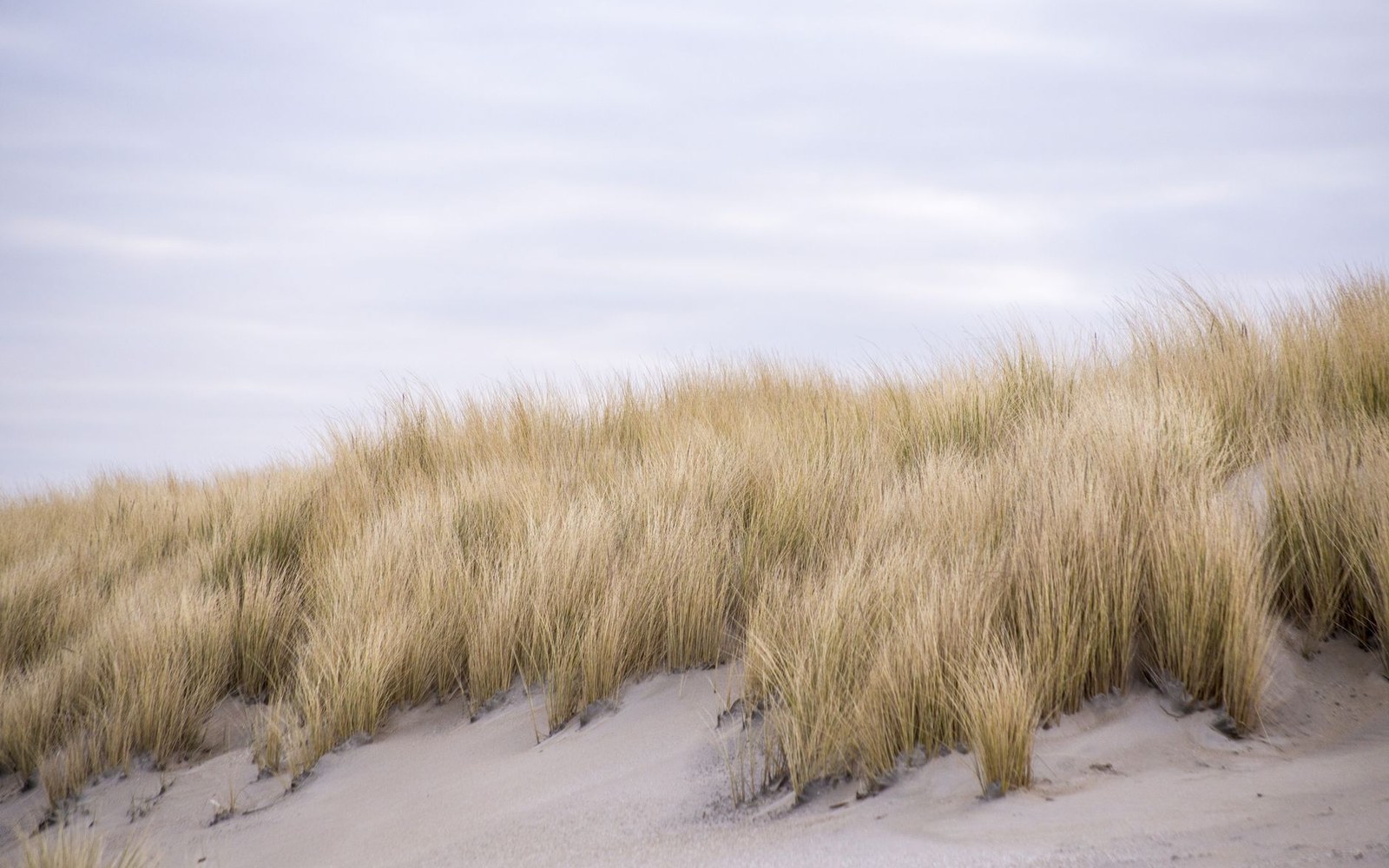
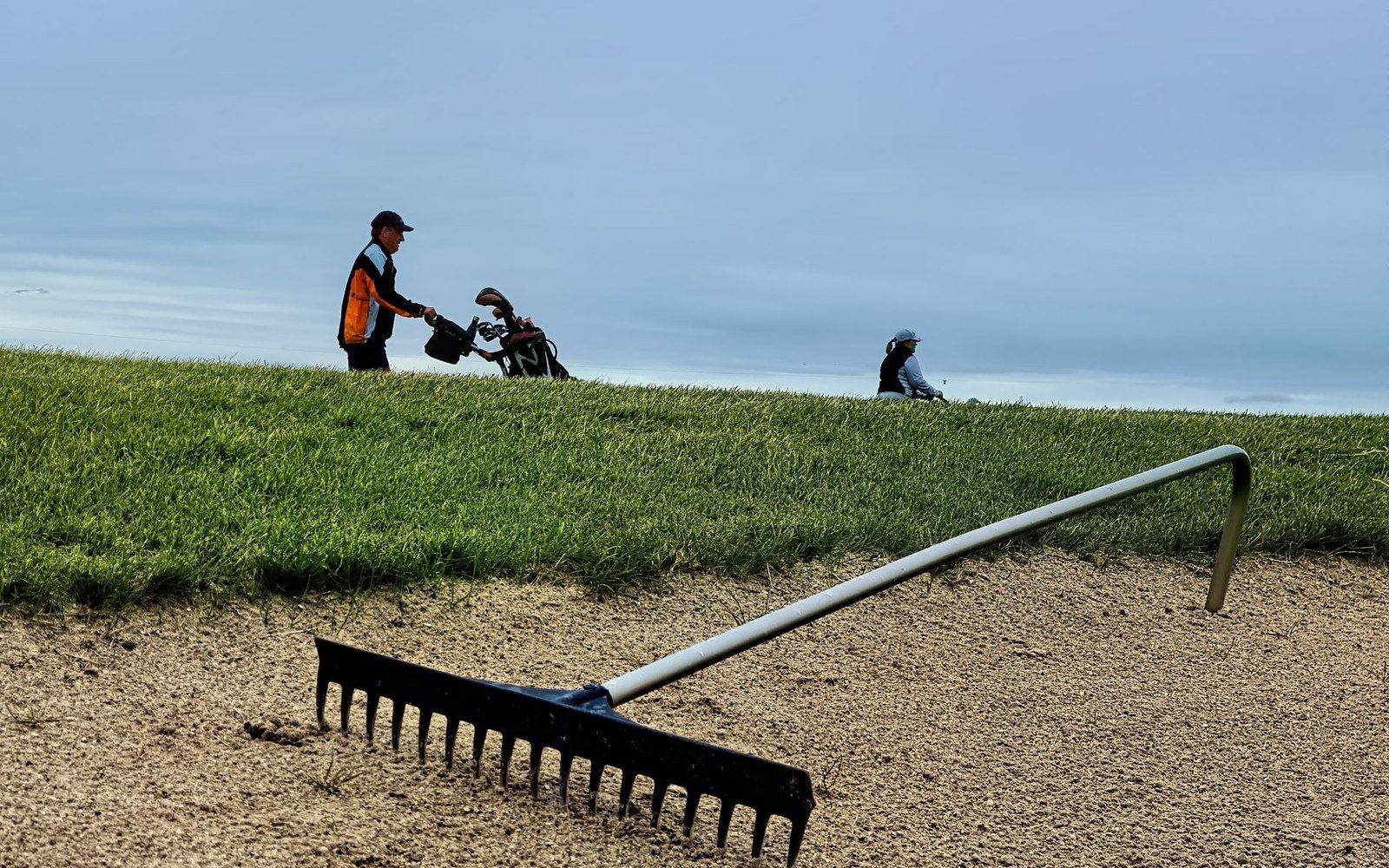
Rhizomes go down further than the grass stands up. Turf cut, stacked and pinned by hand: a bunker face is rebuilt rather than repaired.
Photo: Pixabay / Pexels · Photo: Martin Magnemyr / Pexels
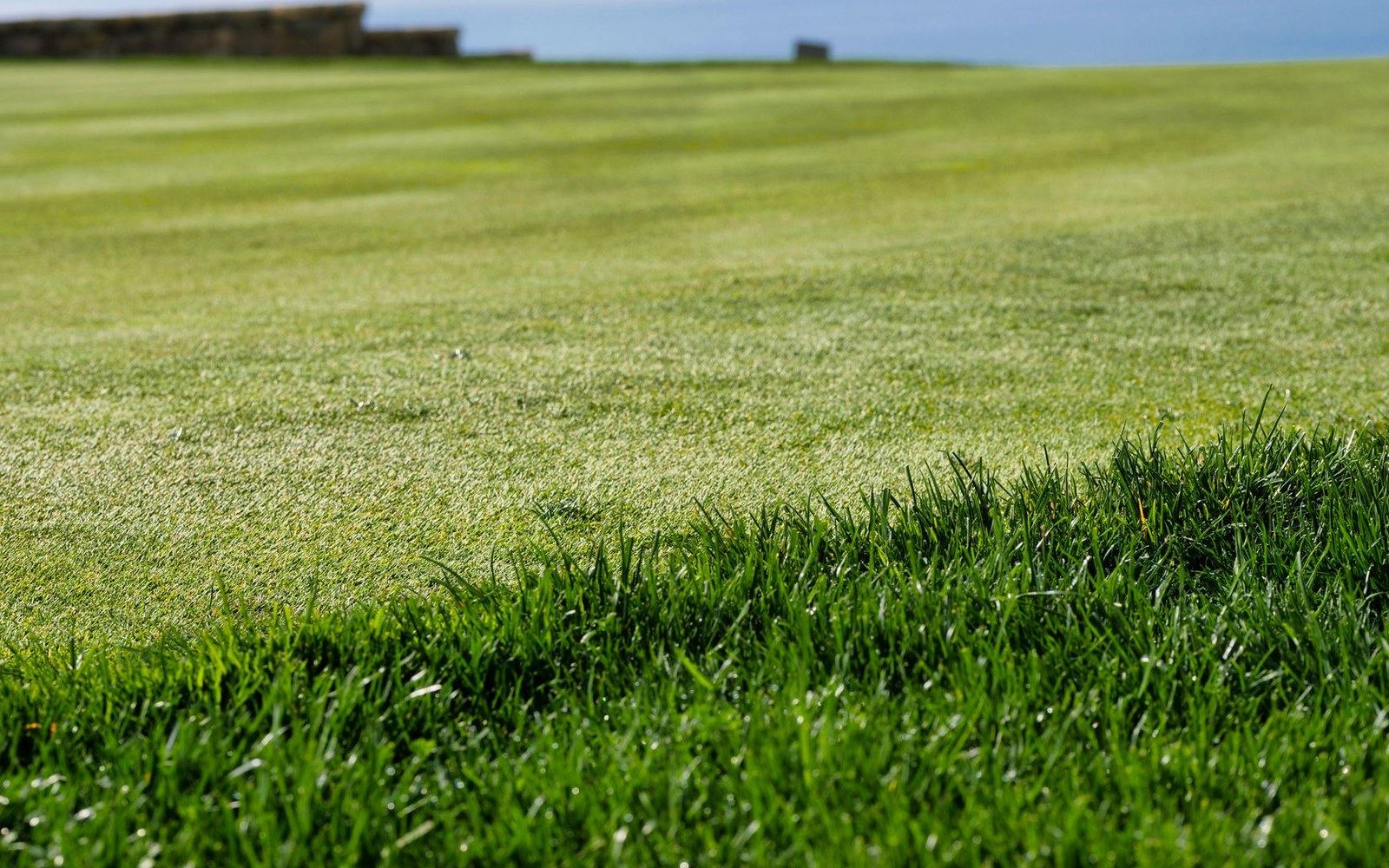
The R&A's Golf Course 2030 sustainability framework addresses this directly, setting targets for measurable reductions in water abstraction, chemical inputs and overall consumption across affiliated clubs. For Irish links, the framework carries a particular charge: over-irrigation is not merely a sustainability failure but an agronomic one, promoting the establishment of Poa annua — annual meadow grass — at the expense of the fine fescue that produces authentic links conditions. Once Poa colonises a green, reversing it demands years of deliberate stress and selective treatment.
Soil-moisture probes have materially altered the daily management decision at courses that have installed them. Rather than irrigating on a timer or by eye, greenkeepers read real-time volumetric water content at root depth and apply water only when a threshold is crossed. The result, at courses across County Kerry and County Clare, has been measurable reductions in run time without any measurable deterioration in turf cover — and in several cases, an improvement in surface firmness through the main visitor season.
The licensing framework will tighten. New EU water policy requirements, transposed into Irish law, establish baseline environmental flows that constrain how much any abstracting user can take in low-rainfall periods. For a links course whose irrigation system is already undersized relative to visitor volume, that constraint will eventually become decisive. The courses that have invested in soil-moisture monitoring are positioned to demonstrate responsible abstraction. Those still irrigating on instinct will find the regulatory conversation considerably harder.