Rosses Point: Old Tom Morris, Harry Colt, and Benbulben Behind
County Sligo Golf Club at Rosses Point was laid out by Old Tom Morris and revised by Harry Colt, with Benbulben as the backdrop and Sligo Bay on two sides. The piece covers both architects' contributions, the course's West of Ireland Championship record, and its position in the Atlantic links geography.
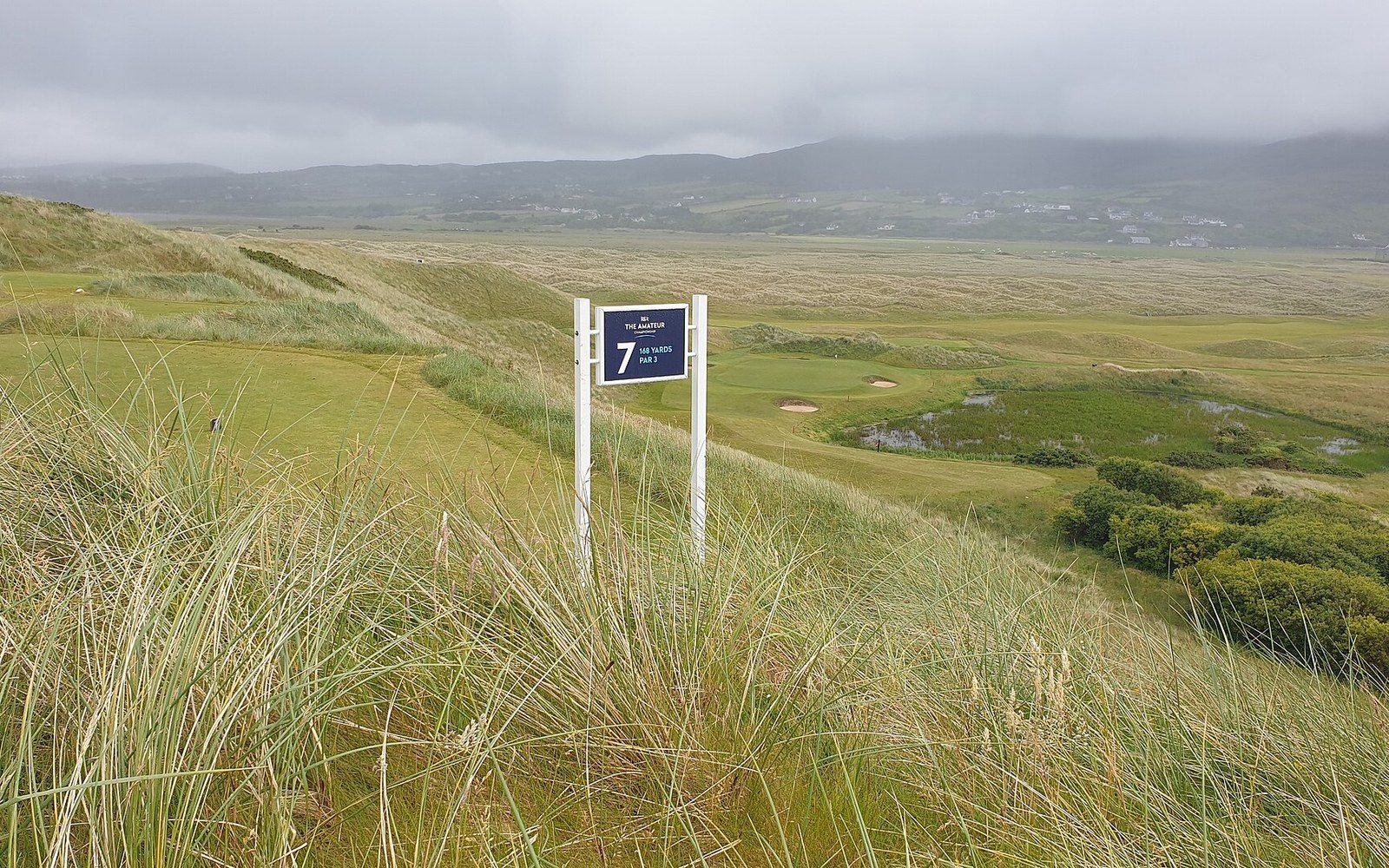
Rosses Point, with Sligo Bay on two sides.
Photo: Ballyliffin Golf Club · Wikimedia Commons
County Sligo Golf Club occupies a peninsula between Sligo Bay and the Drumcliff estuary, with a flat-topped mountain watching every round.
The Course and the Two Architects
Old Tom Morris laid out the course at Rosses Point in 1894, two years after his work at Lahinch. The ground he chose was a natural links — sandy, wind-exposed, flanked by tidal water — and the routing followed the peninsula's contours with the directness typical of Morris's late career. Harry Colt revised the layout in 1927, the same decade he was reshaping Royal County Down and Royal Portrush. Colt's remodelling added strategic complexity to the bunkering and sharpened the relationship between the holes and the prevailing Atlantic wind, giving the course much of the character it retains today.
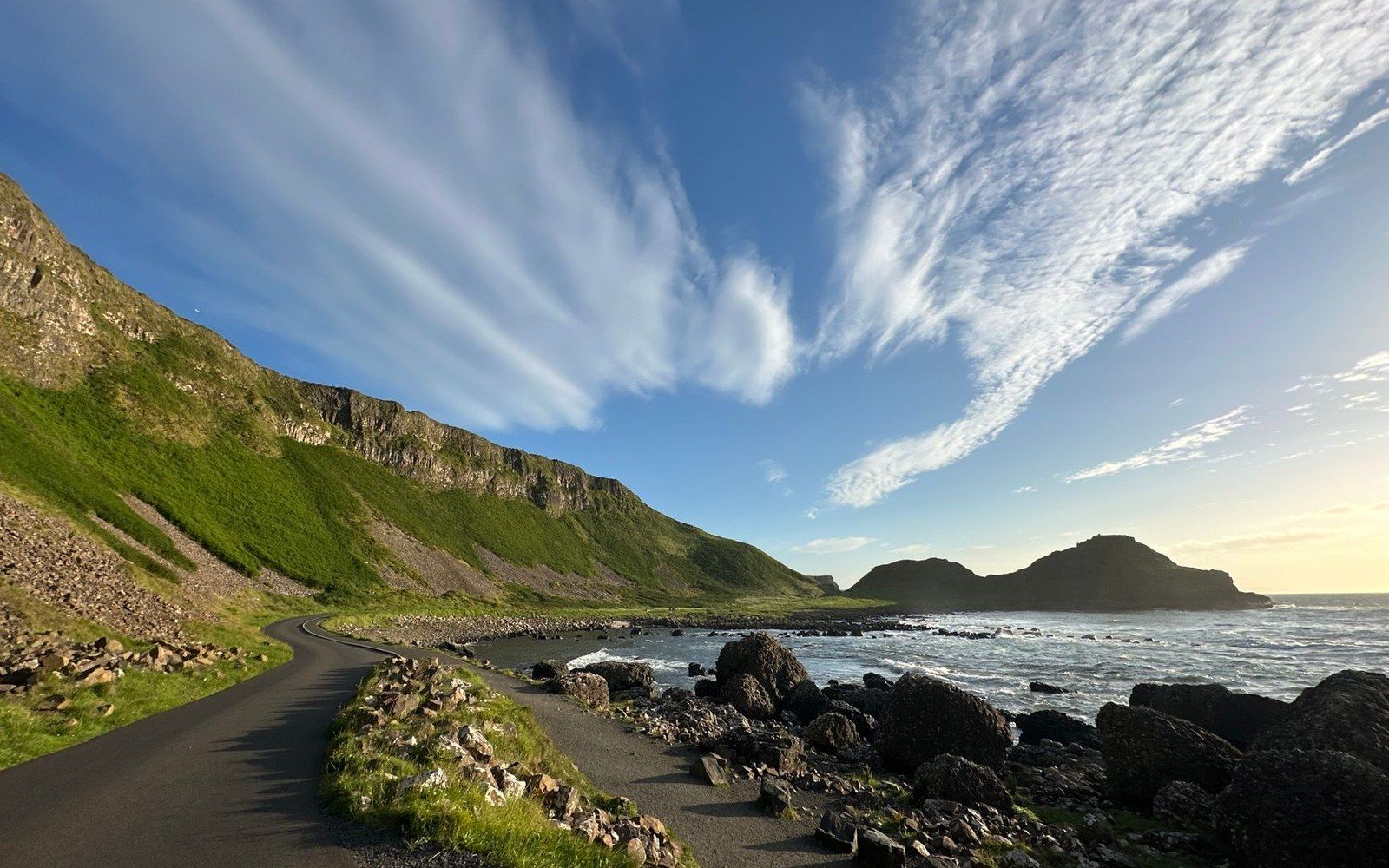
Benbulben — the flat-topped carboniferous limestone plateau north of Sligo, associated with W.B. Yeats and inseparable from the Sligo skyline — provides a backdrop unmatched by any other Irish links. The mountain does not affect play but it governs the experience; on clear days, its cliffs dominate the northern horizon from most of the course.
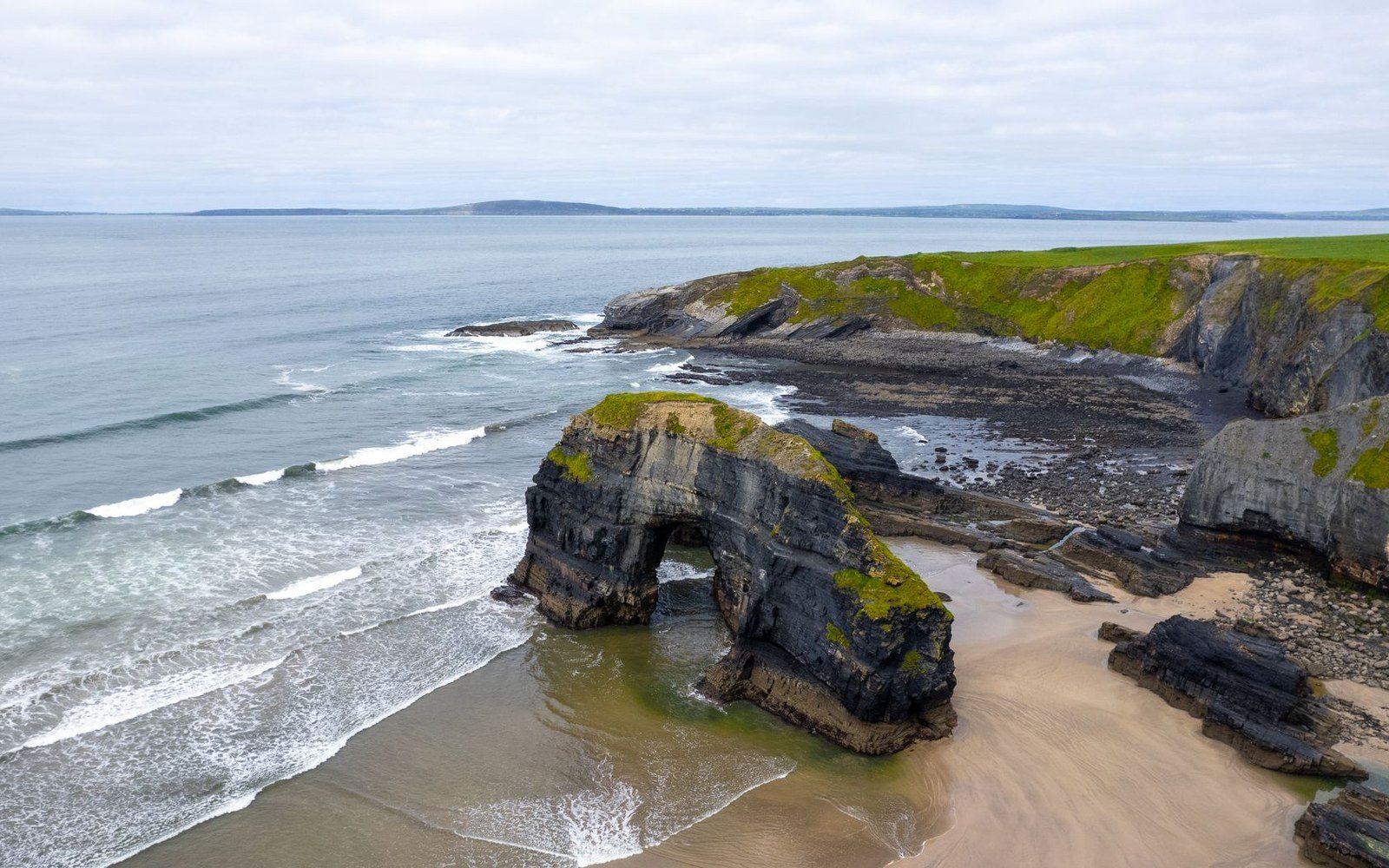
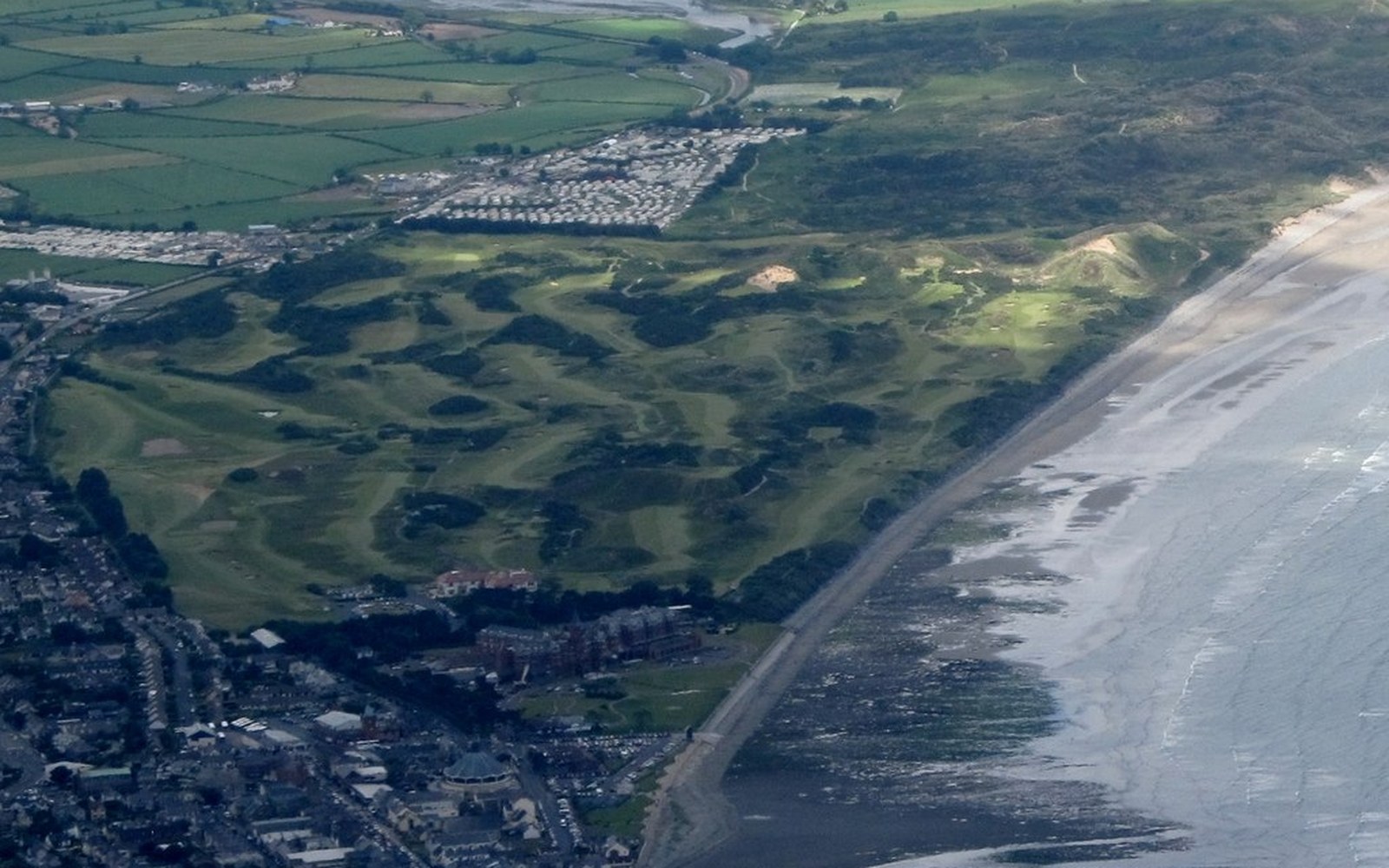
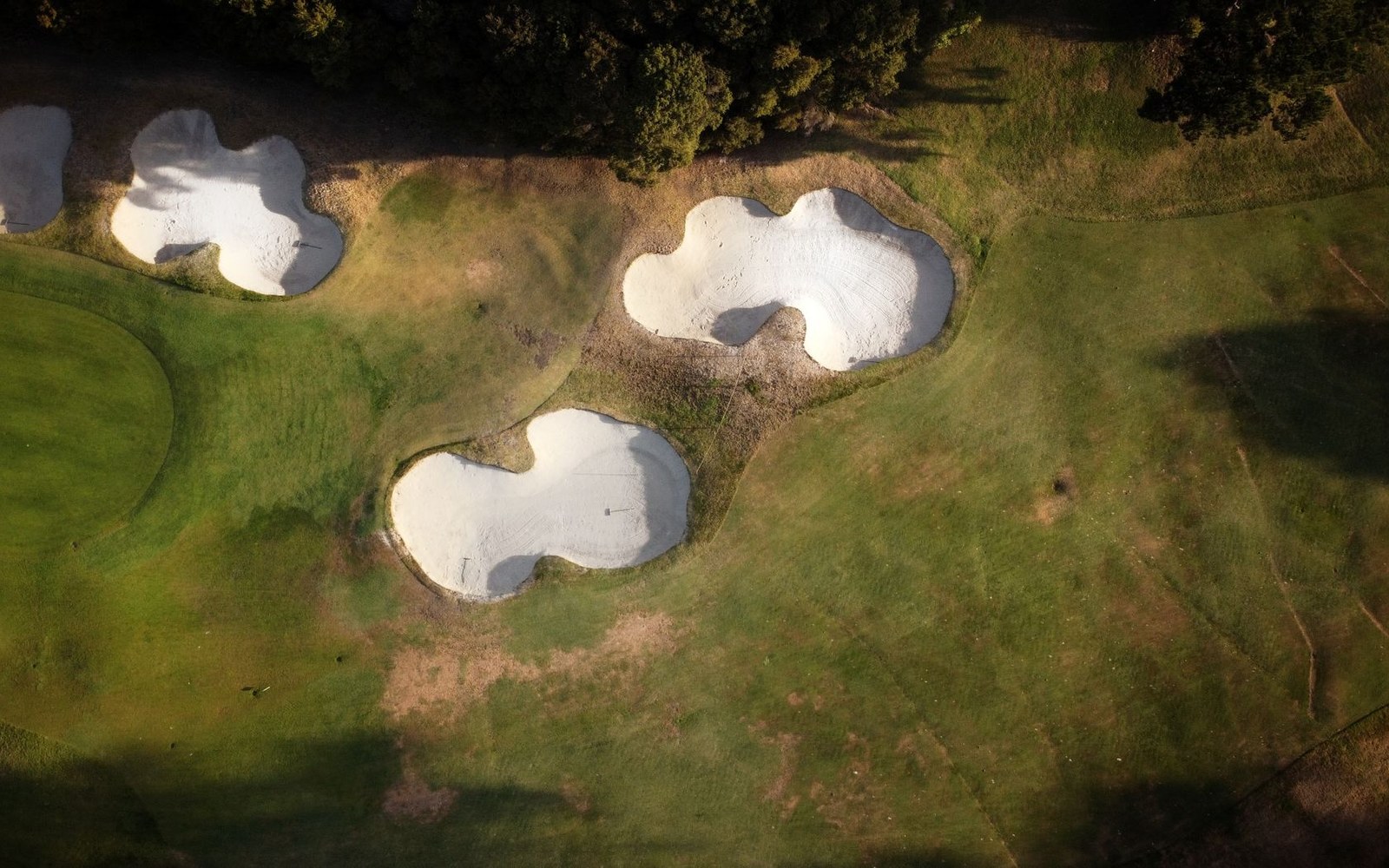
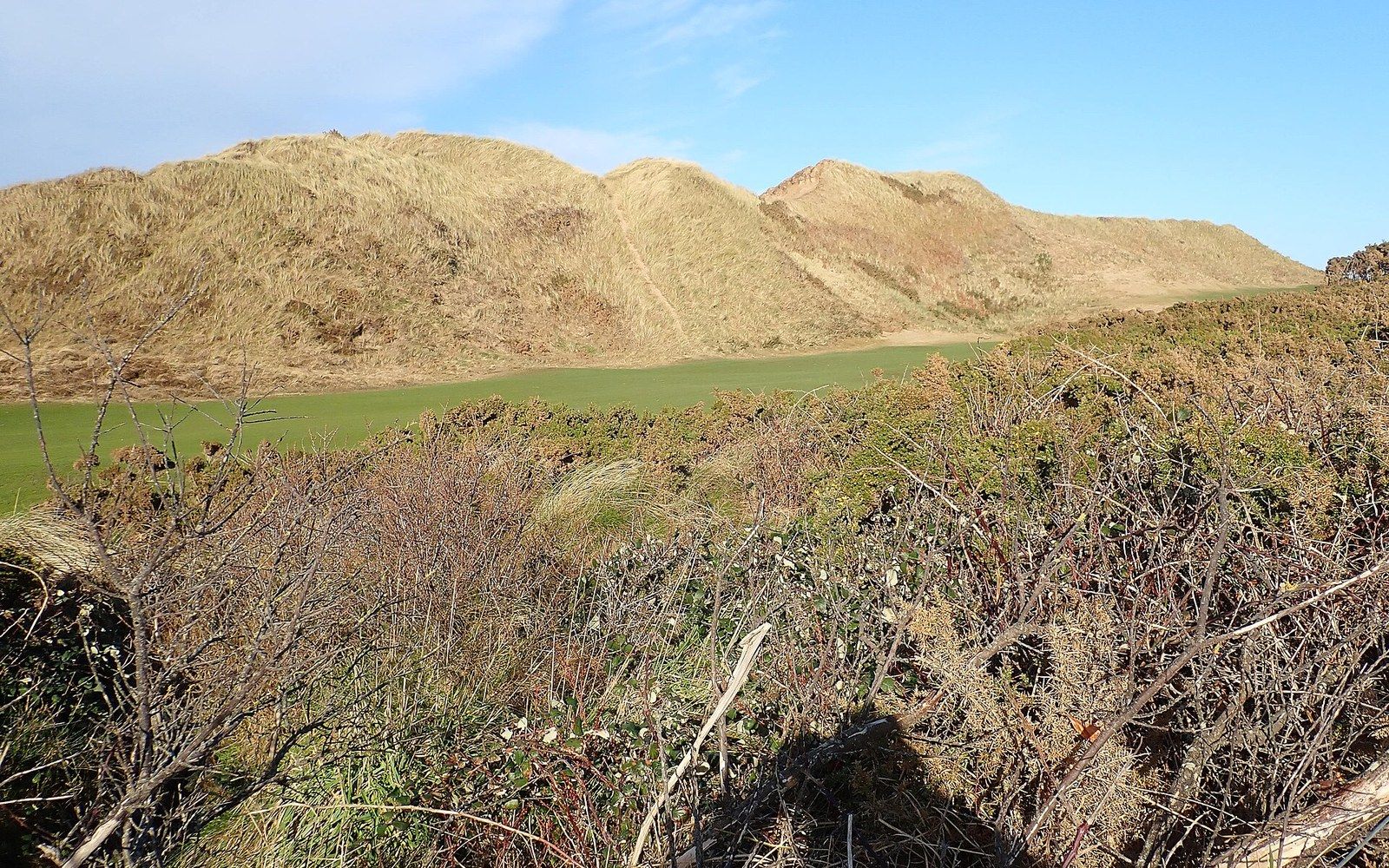
Ground nobody would be permitted to build on now. Marram-fringed, revetted, and among the most expensive things on the course to keep.
Photo: Léonard Dinichert / Pexels · Photo: Royal County Down Golf Club-geograph-4029611-by-Eric-Jones · Wikimedia Commons
The links itself runs along a peninsula no more than a mile wide, with Sligo Bay to the south and Drumcliff Bay to the north. Marram grass and fescue cover the dune ridges; the fairways sit between them on classic linksland, firm and fast in dry summers, demanding in the westerly winds that come off the Atlantic without obstruction. The coastal erosion rate on this stretch of the Connacht coast is a documented concern for the club's more exposed boundaries.
County Sligo Golf Club has hosted the West of Ireland Amateur Championship — one of Ireland's oldest and most competitive provincial championships — continuously since the early twentieth century, making it the championship's permanent home. That record, alongside the Morris-Colt pedigree and the Benbulben setting, gives Rosses Point a position in Irish golf history that its modest profile outside Ireland has never fully reflected. The course's natural ground — sandy glacial deposits over which the wind works freely — belongs to the same geological family as Ballybunion and Lahinch, formed by the same Atlantic processes and just as unforgiving when misread.