Portrush Dunluce: Harry Colt's 1932 Course and the Two Holes It Lost
The 2019 Open required a new 7th and 8th, cut by Martin Hawtree into dunes the club had never played over. The piece takes Colt's original design, Hawtree's brief, and what the coastline-defence work along the Dunluce shoreline had to accomplish before any of that happened.
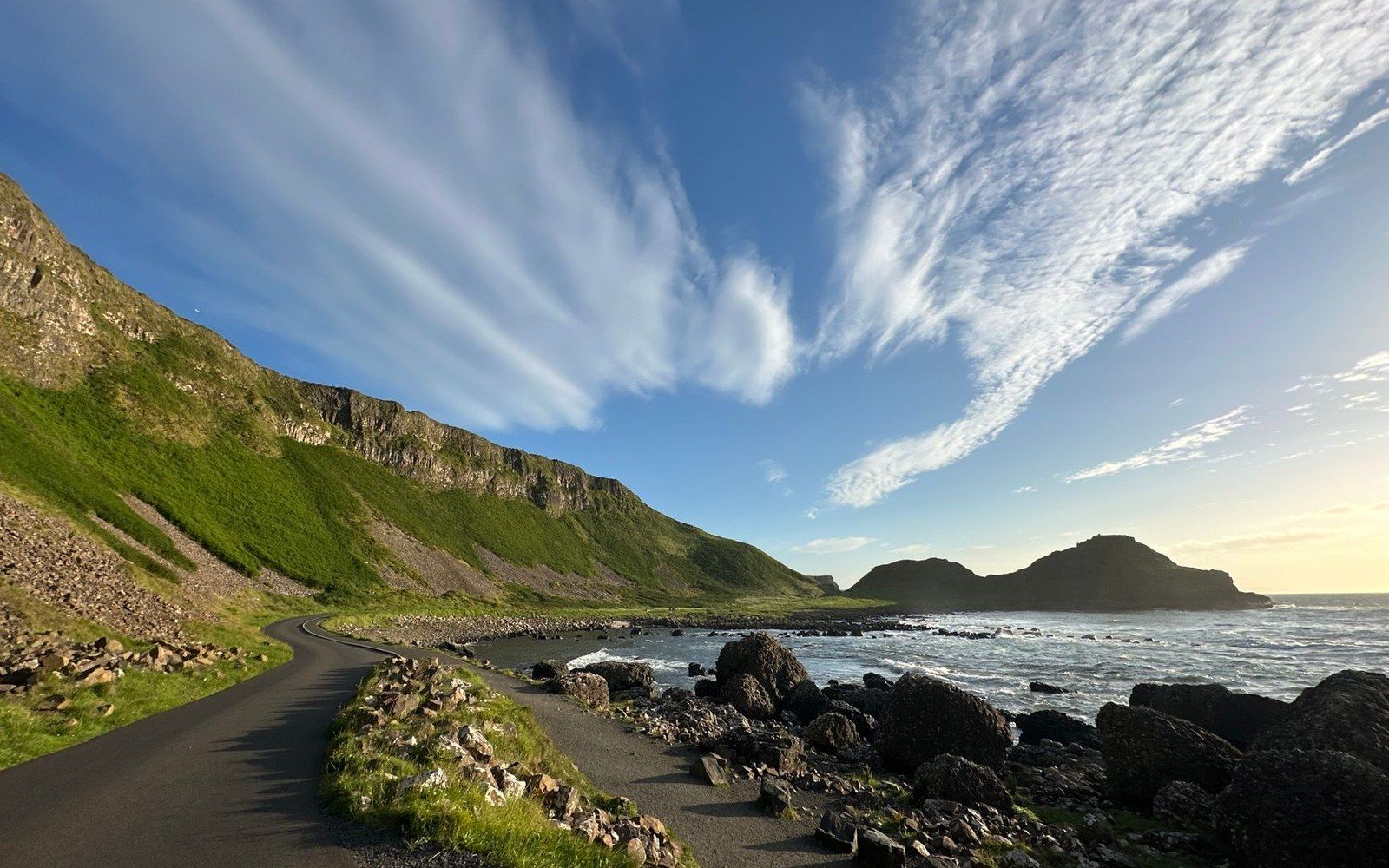
The far end of the Dunluce, where the two new holes went in.
Photo: Sergei Gussev / Pexels
Harry Colt's Dunluce Links had held its shape for nearly ninety years before the R&A came back to Portrush. Two holes had to go to bring The Open home.
What Colt Built in 1932
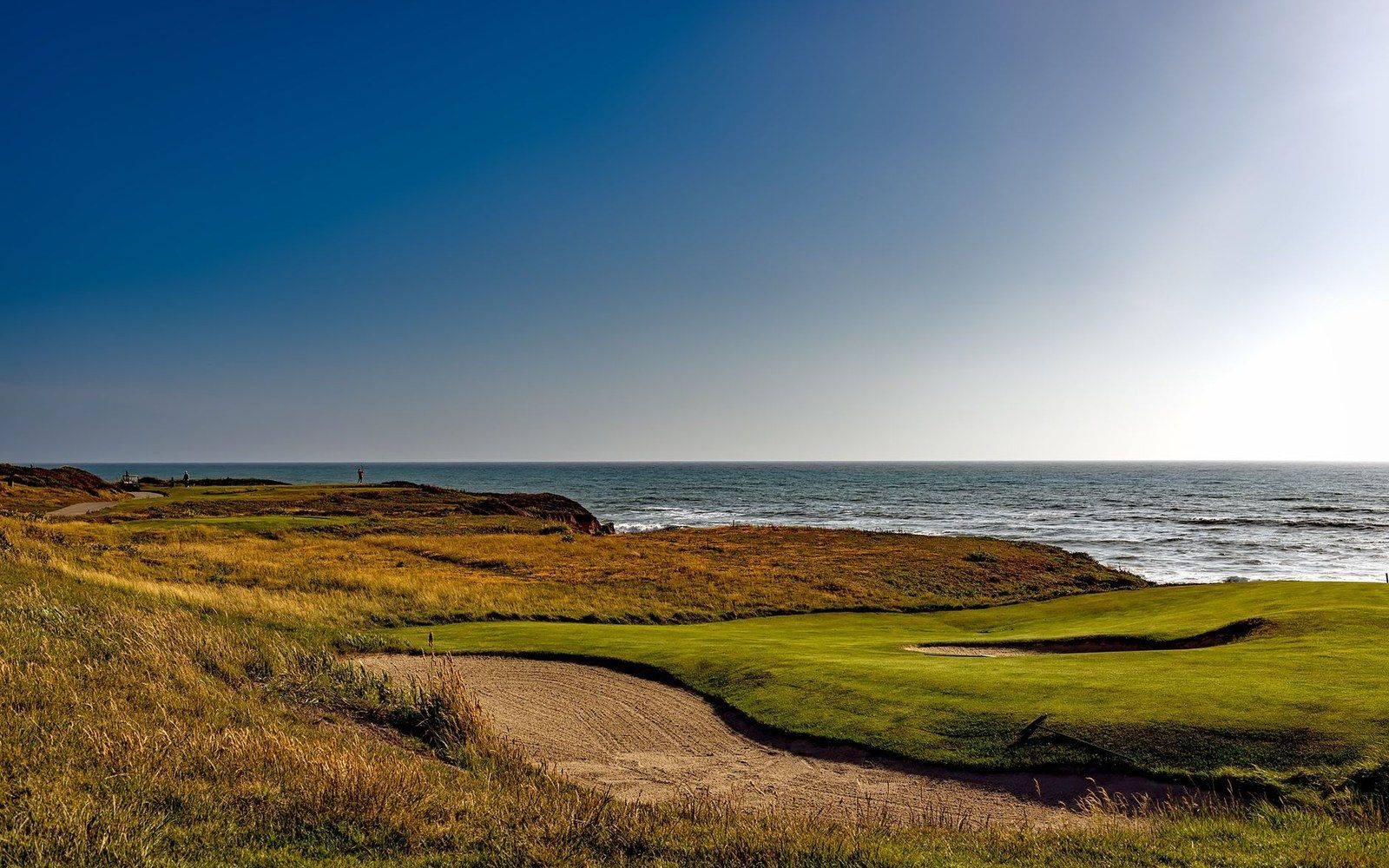
Harry Colt's revision of the Dunluce Links, completed in 1932, is the course that made Royal Portrush's championship reputation. Colt inherited a routing that predated him by decades but restructured it with the Atlantic dunes as his primary material — severe, wind-exposed ground between the town and the sea, where the land tilts and breaks in ways that reward ground-game golf and punish every kind of carelessness. The result was a course with enough strategic variety and natural severity to be ranked, without serious challenge, among the finest links in the world.
The hallmark holes — the par-four 5th, the long par-four 14th, the par-three 16th known as Calamity — do not rely on manufactured difficulty. They borrow it from the landscape. Colt was expert at routing a course so that the natural contour of the dune ridge is already doing the architectural work; what he added was precision in the placement of greens and the angles demanded from tee shots. His bunkers at Dunluce are sparingly used, because the land doesn't require many.
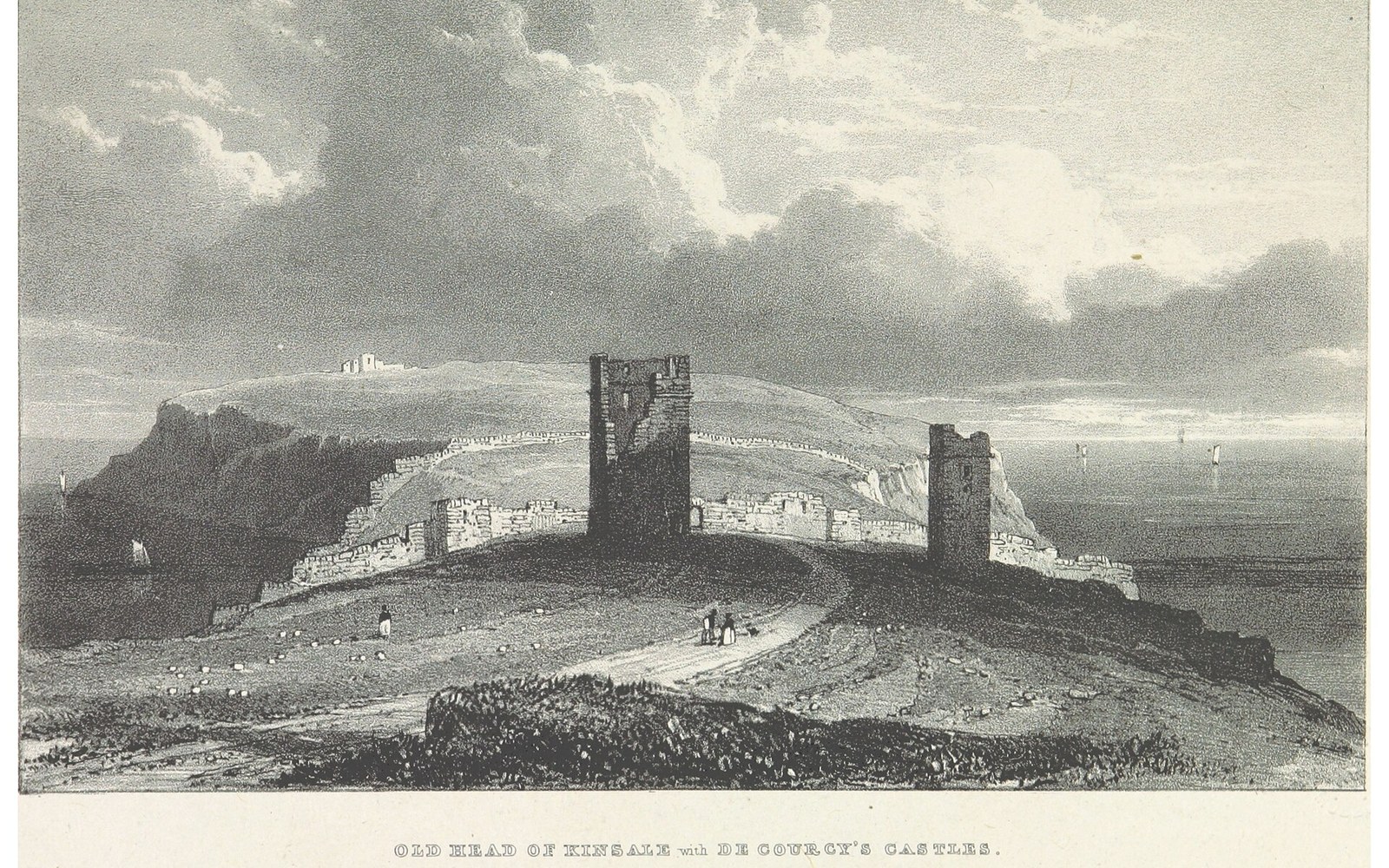
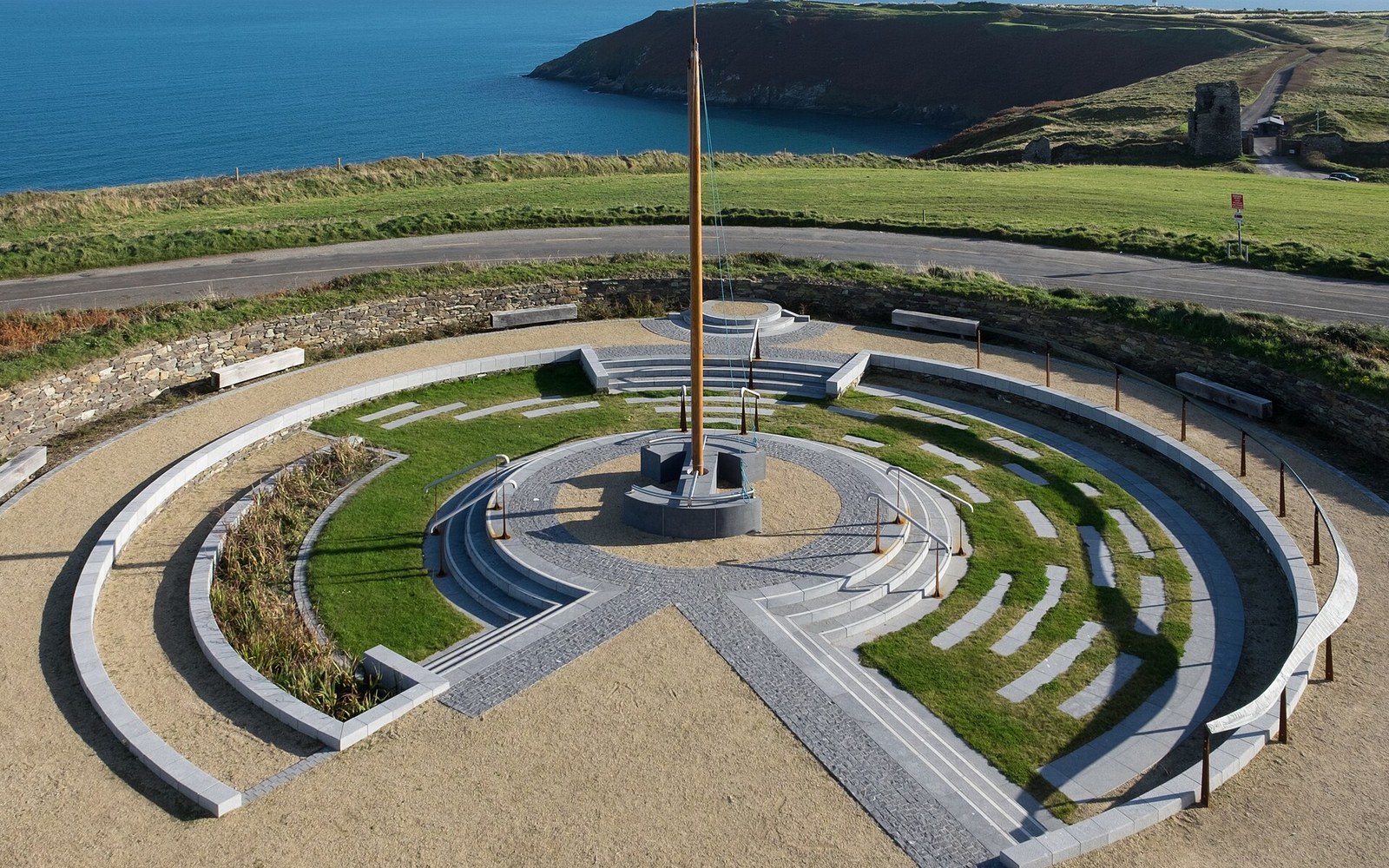
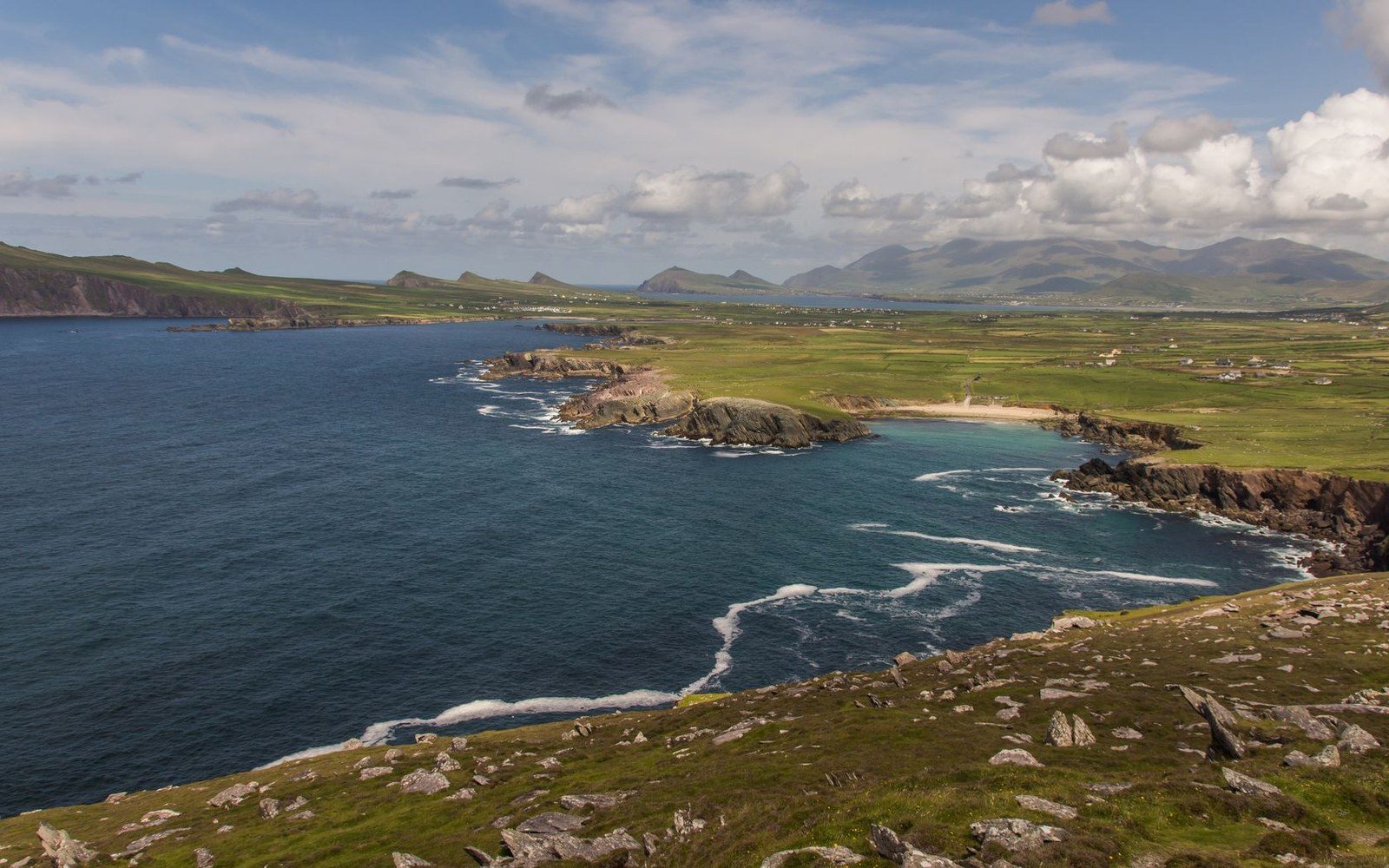
The Atlantic on three sides. The routing is the geography.
Photo: Wikimedia Commons
Portrush last hosted The Open in 1951, when Max Faulkner won. The championship left Ireland for sixty-eight years, and the course that waited for its return was, in its bones, Colt's course still.
Hawtree's Brief and the Two New Holes
When the R&A confirmed The Open's return to Portrush for 2019, the Dunluce Links faced a practical problem. Modern championship fields demand more starting capacity — specifically, the ability to send players off two tees simultaneously — and the existing 1st and 18th, which share a tight corridor near the clubhouse, could not absorb that volume. The solution required new holes, not a reshuffle.
Martin Hawtree's commission was precise: design a new 7th and 8th on dune ground north of the existing routing that the club had never played over, and retire the former 17th and 18th to create space at both ends of the card. The dunes in question — rough, unmanaged ground running toward White Rocks beach — were steep, vegetated, and had no existing infrastructure. Hawtree's work there respected the character of Colt's course without attempting to replicate it: the holes are blunt, exposed, and demand a different eye-line than anything Colt had available in 1932.
The architectural community watched closely. A mid-routing insertion on a course of this stature risked visual incongruity or tonal mismatch. The 7th and 8th have been accepted, broadly, as sympathetic additions — but Colt's original two closing holes, a par-four and the short par-four 18th that curved back to the clubhouse, were gone. That exchange is permanent.
What the Coastline Required First
Before Hawtree's holes could open, the ground had to be stabilised. The dunes along the Dunluce shoreline had been losing coherence: blowouts, exposed sand faces, and wave scour at the dune toe had compromised the structural integrity of the ridge. Marram grass planting and fencing, which binds dune sand through its rhizome system, was deployed across the relevant sections. Rock armour was placed at the base of the most exposed dune faces to deflect wave energy before it could undercut the slope above.
None of this work was cosmetic. The published erosion-rate data for the north Antrim coast from Geological Survey of Northern Ireland shows the Atlantic shoreline at this latitude is not stable, and the construction of permanent golf infrastructure on dune ground requires a defensible baseline. The coastline-defence work preceded the design work, not the other way around.
The Dunluce Links that ran The Open Championship in July 2019 — where Shane Lowry's final round became one of the most discussed in the event's modern history — was neither wholly Colt's course nor wholly Hawtree's. It was the product of a 1932 masterwork, a 2019 brief, and the Atlantic conditions that have always been the real co-designer of anything built on this ground.