Old Head: A Promontory That Has No Equivalent
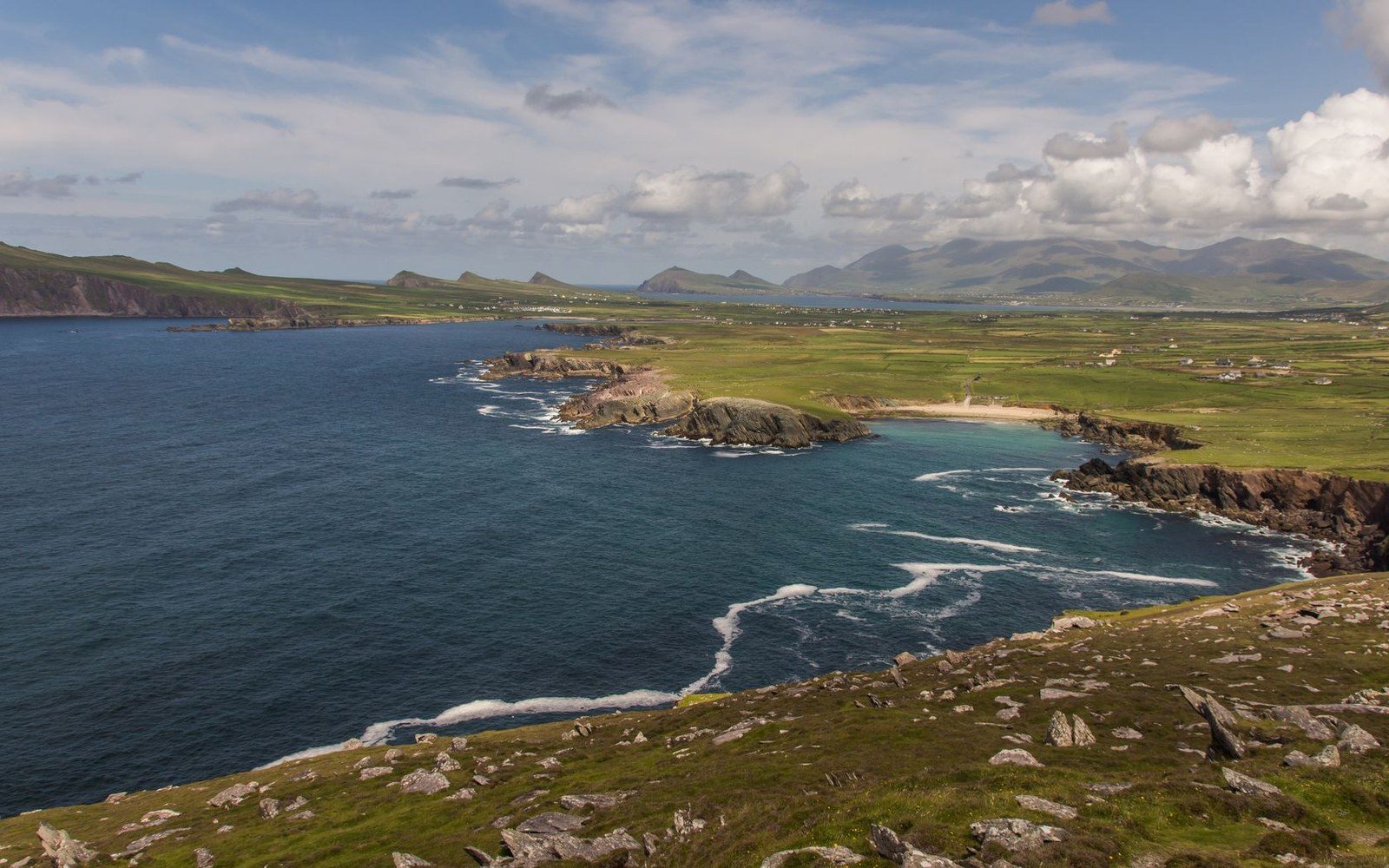
Old Head sits on a carboniferous limestone headland with the Atlantic on three sides, and the routing is the geography — there is no alternative alignment. The piece covers the course's design record and the access and conservation questions the site has attracted since it opened in 1997.
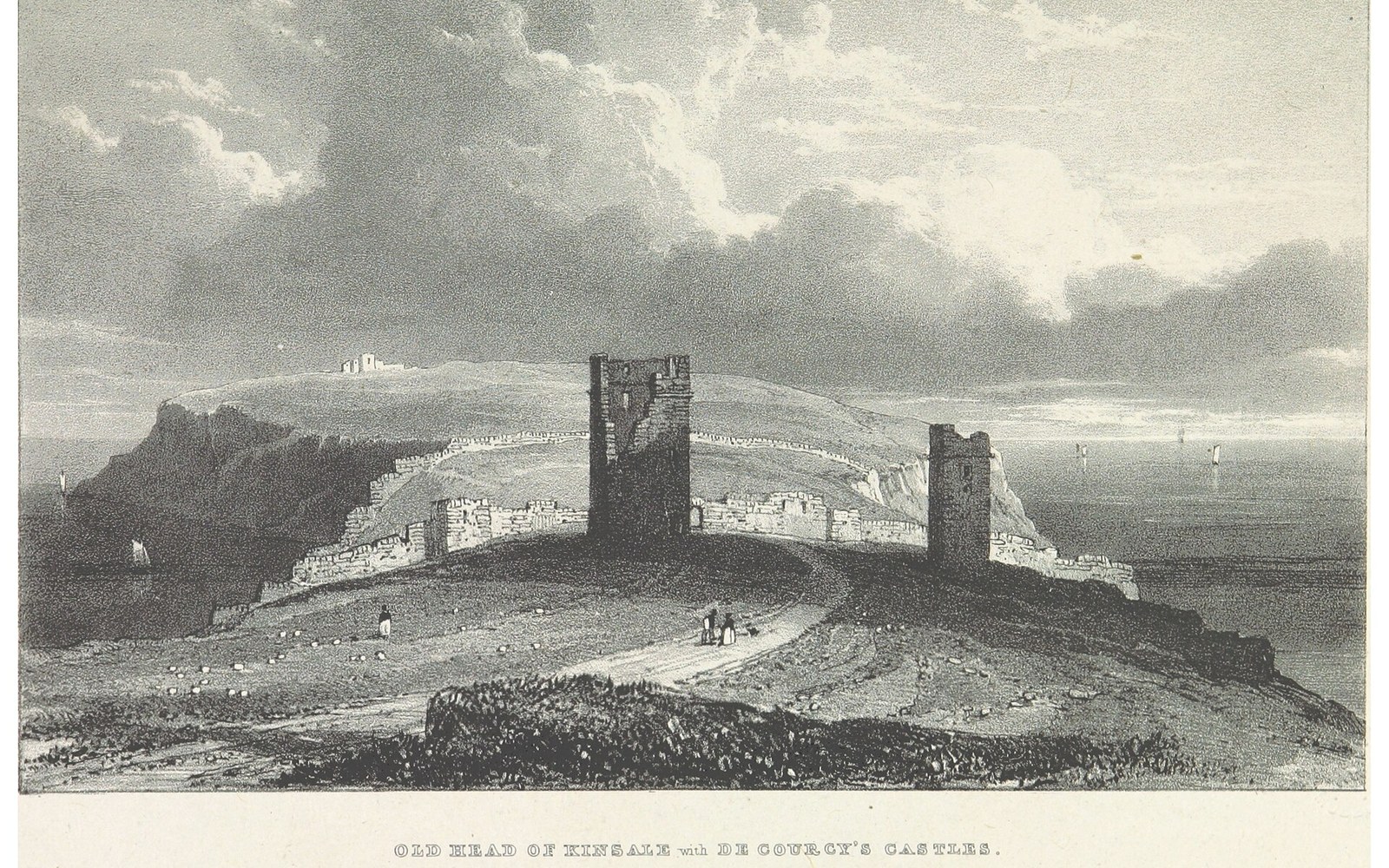
The Atlantic on three sides.
Photo: Head of Kinsale with de Courcy's castles, from Newenham (1830) · Wikimedia Commons
A carboniferous limestone headland with the Atlantic on three sides — the routing at Old Head of Kinsale is not a design choice but a geological fact.
The Ground Determines Everything
Old Head of Kinsale occupies a narrow promontory roughly eight kilometres south of Kinsale in County Cork. The headland is formed from carboniferous limestone, a rock type that produces the dramatic cliff faces — in places over a hundred metres — that define the site's visual character. When the course opened in 1997, it was immediately clear that conventional links design logic barely applied: there was no inland farmland buffer, no gradual transition from dune to sea. The Atlantic surrounds three sides of the routing, and the fourth is a single access road. Every hole goes out or comes back along ground that is effectively a peninsula within a peninsula.
The design, by Liam Higgins and Ron Kirby, follows the headland's topography without attempting to impose structure on it. Fairways run along cliff edges, tees are cut into rock shelves, and greens sit on plateaus where the limestone breaks to the surface. The site's carboniferous limestone geology, documented by the Geological Survey Ireland, produces thin acidic soils over fractured rock — different in character from the sandy dune substrate of a conventional links, though the exposed Atlantic air and the drainage through rock rather than sand deliver comparable turf firmness.
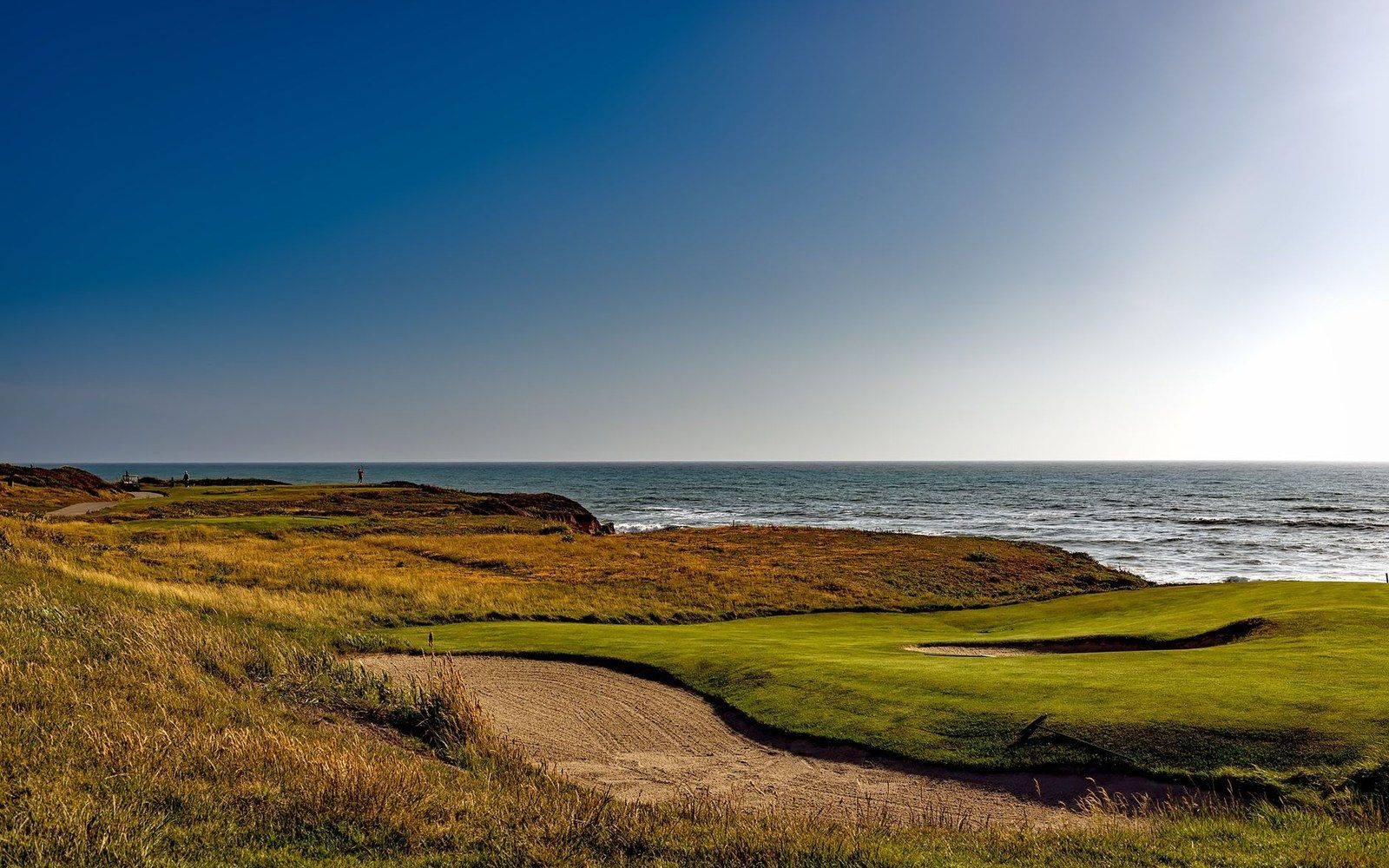

Dunes, and almost no budget to correct them with. Grazing beside the first.
Photo: Pixabay / Pexels · Photo: Becky L / Pexels
Access, Conservation, and the Arguments That Followed
The course opened with a public right of way along the headland that predated the development. Its closure — or restriction — drew objections that ran for years, centring on whether a historic coastal path had been privatised as a consequence of the golf development. The headland also sits adjacent to the Old Head of Kinsale Special Area of Conservation, designated under EU Habitats Directive provisions and listed by the National Parks and Wildlife Service. The interface between greenkeeping requirements and that protected designation has continued to shape what maintenance the course can undertake on its more exposed margins.
No Open Championship or Irish Open has come to Old Head; the site is logistically unsuitable for the infrastructure such events require, and the single access road makes spectator management impractical at scale. What the course offers instead is a routing that could not exist anywhere else on the island — determined entirely by the shape of a limestone headland that the Atlantic has been trimming, slowly, for millennia.