Adare Manor After Fazio: What a Parkland Rebuild Means for a Ryder Cup
Tom Fazio's 2018 rebuild of Adare Manor's course made it the Ryder Cup venue for 2027 — the first in Ireland since the K Club in 2006. The piece covers the rebuild's scope, what Fazio changed and why, and what parkland conditions mean for a match-play event designed for spectators.
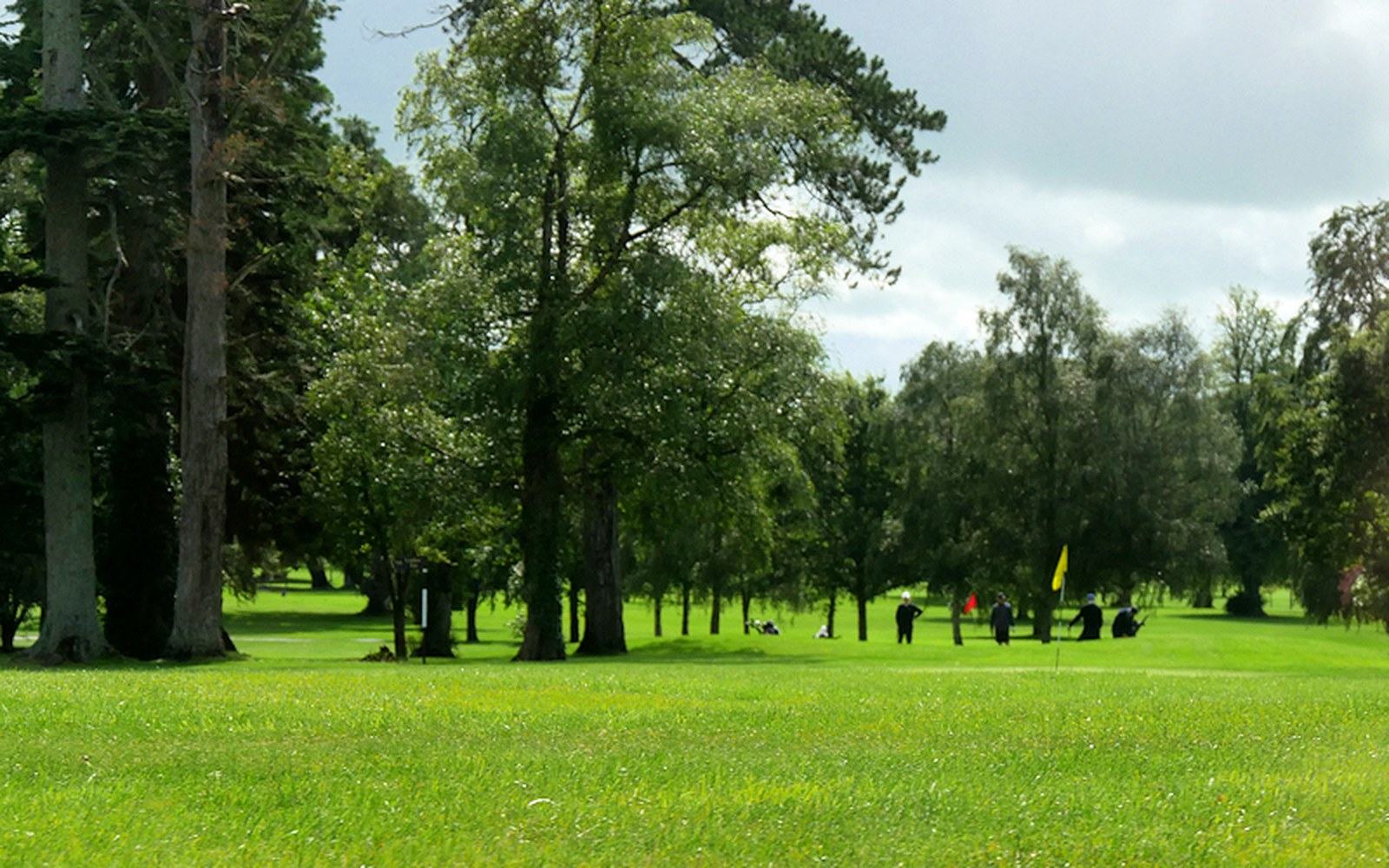
The parkland course after the 2018 rebuild.
Photo: Adare Manor Golf Club - geograph.org.uk - 6297406 · Wikimedia Commons
A $40 million redesign turned a pleasant parkland course into the venue for Europe's biggest match-play event — and raised questions about what that scale of intervention actually produces.
What Fazio Changed and Why
Adare Manor sits in County Limerick on the estate of a Victorian Gothic manor house, its golf course threading through ancient woodland along the River Maigue. The original layout had occupied that ground since the 1990s, a competent but unremarkable parkland track. When JP McManus commissioned Tom Fazio's rebuild in the mid-2010s, the brief was not subtle: produce a course capable of hosting the Ryder Cup, a match-play format that demands wide corridors, aggressive spectator infrastructure, and television sightlines that links golf rarely needs to manufacture — they arrive with the landscape.
Fazio's work, completed in 2018, amounted to a near-total reconstruction. Routing was substantially revised. Greens were rebuilt from scratch using USGA-specification profiles, which means sand-based root zones engineered for drainage and consistency rather than the native soil that most Irish parkland courses live on. Significant earthworks reshaped ground that had been relatively flat, adding the visual and strategic contour that the original course lacked. A new clubhouse was constructed and the wider estate — already a luxury hotel — was reconfigured for the logistical demands of a major event. The R&A's Golf Course 2030 sustainability framework gives some indication of the standards now expected of courses seeking championship status; Adare's rebuilt drainage and irrigation infrastructure was designed with those operational demands in mind.
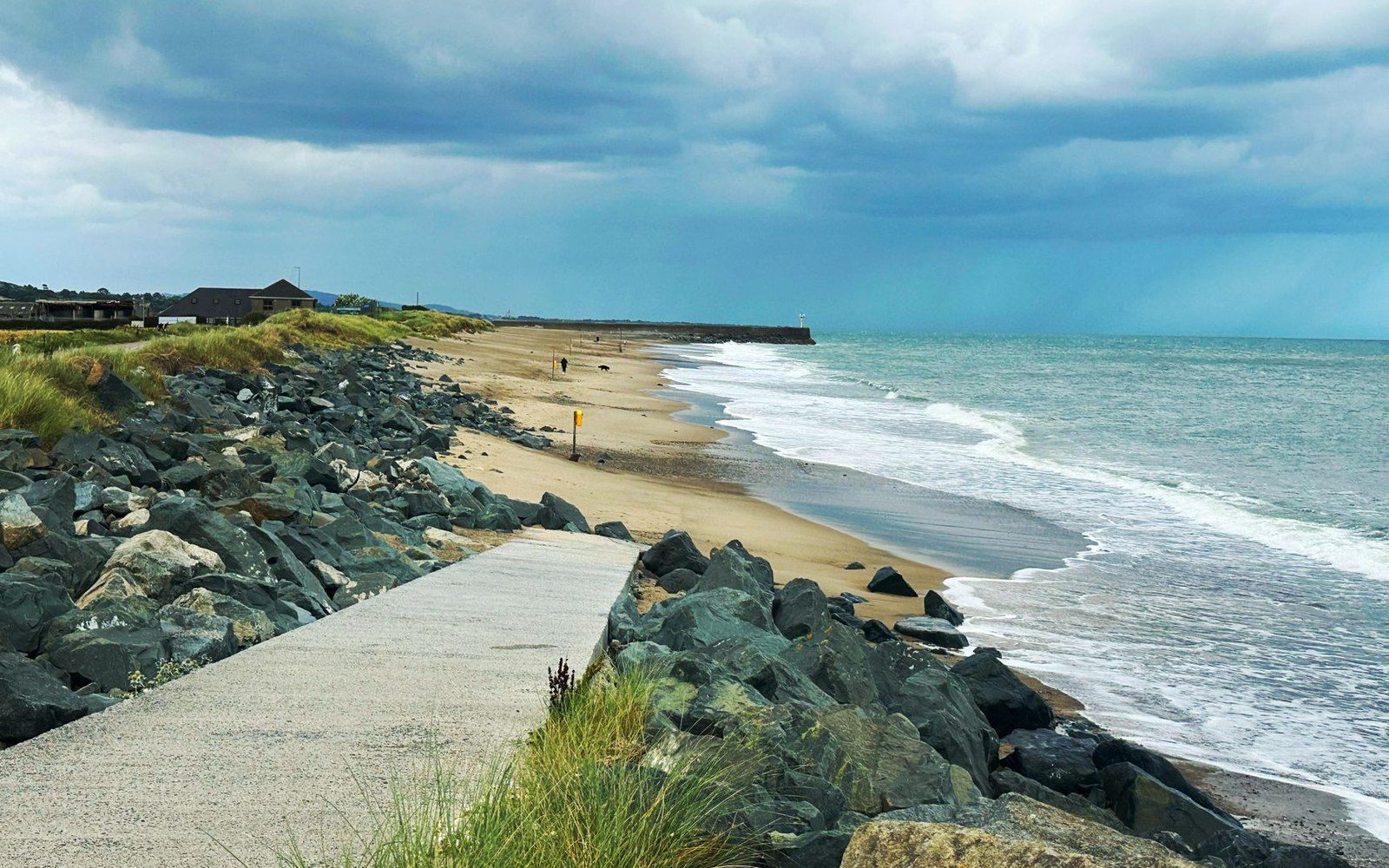
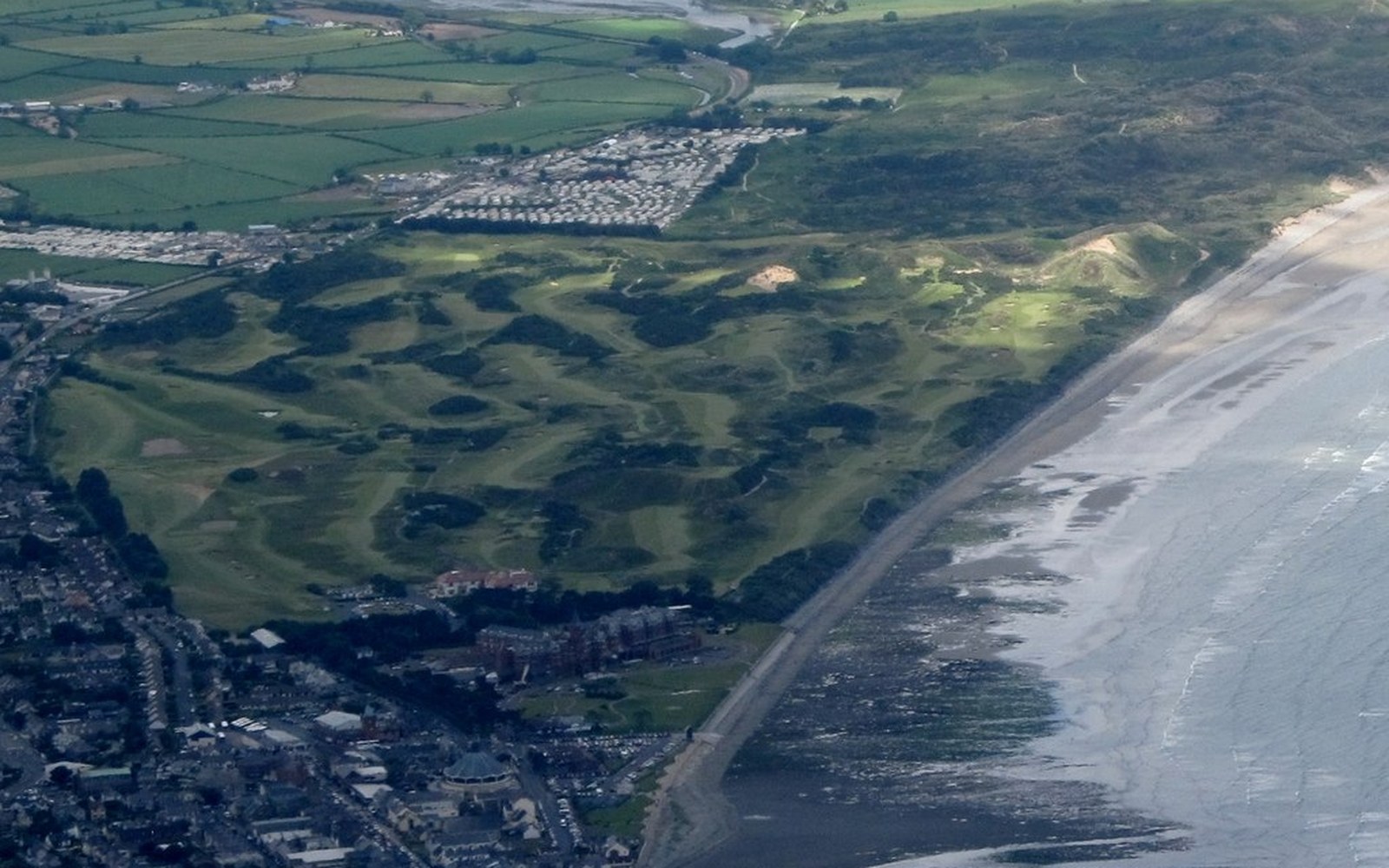
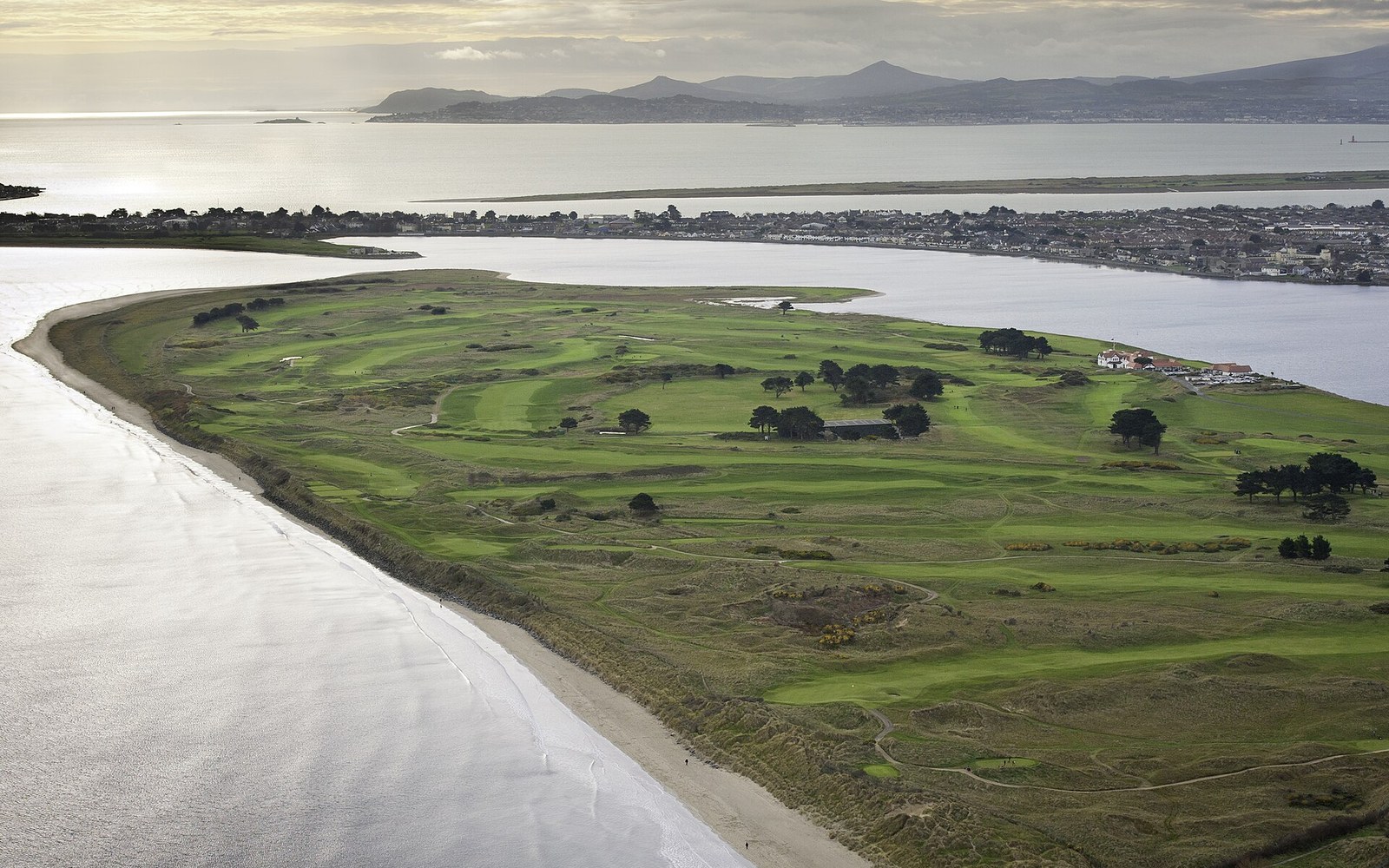
Brittas Bay, built and revised by one hand. Marram-fringed, revetted, and among the most expensive things on the course to keep.
Photo: Alis View / Pexels · Photo: Royal County Down Golf Club-geograph-4029611-by-Eric-Jones · Wikimedia Commons
The figure most commonly cited for the project is around $40 million, though precise costs for private estate developments are rarely confirmed officially. What is not in dispute is the scale: this was not a renovation or a tee-to-green refresh but a ground-up reimagining of an existing course on a fixed footprint.
What Parkland Conditions Mean for Match Play
The Ryder Cup returned to Ireland once before, at the K Club in County Kildare in 2006, also a parkland venue. Europe's margin of victory that week — 18½ to 9½ — remains one of the heaviest in the modern format, though the conditions of that Ryder Cup were shaped as much by the rain and the American side's form as by the course architecture. The K Club's design, by Arnold Palmer, produced lush, soft conditions that favoured a target-golf approach. Fazio's Adare is similarly parkland in character: tree-lined, with water featuring prominently on several holes along the Maigue and its tributaries, and surfaces that are managed to hold approach shots rather than reward the bump-and-run of links play.
For spectators, parkland venues offer advantages that links golf does not. The ground is more stable and accessible, grandstand placement is easier to plan around known landforms, and television cameras can be positioned on level terrain. The Ryder Cup draws crowds that dwarf any other golf event held in Europe, and Adare's estate grounds provide the circulation space that Atlantic links courses, perched on dune ridges above the sea, physically cannot accommodate.
Grazing beside the first.
Photo: Becky L / Pexels
What parkland gives up, however, is the unpredictability that makes links match play genuinely volatile. Wind that changes by the hour, firm surfaces that turn a mis-hit into a disaster, and bounces that punish precision as often as they reward it — none of those variables operate at Adare in the way they do at Royal Portrush or Royal County Down. The course Fazio built is long, technically demanding, and visually impressive. It is also, by design, controllable: drainage that works, greens that respond to spin, conditions that the host club can tune and replicate across the three days of a biennial match that will be watched by a global television audience.
The 2027 Ryder Cup at Adare Manor will be the first on Irish soil since Kildare twenty-one years earlier, and only the second time a parkland course in Ireland has carried the match. Whether that constituency — engineered consistency, spectator infrastructure, a great house behind the 18th — is what the Ryder Cup needs is a question of values. What Fazio's rebuild settled is a more straightforward matter: it made the course capable of hosting it.