The European Club: Pat Ruddy's Course on the Wicklow Coast
Pat Ruddy designed and built The European Club at Brittas Bay himself, opening it in 1992, and has continued to extend and revise it since. The piece covers the design philosophy, the course's 27-hole development over three decades, and its standing as a privately developed links outside the championship circuit.
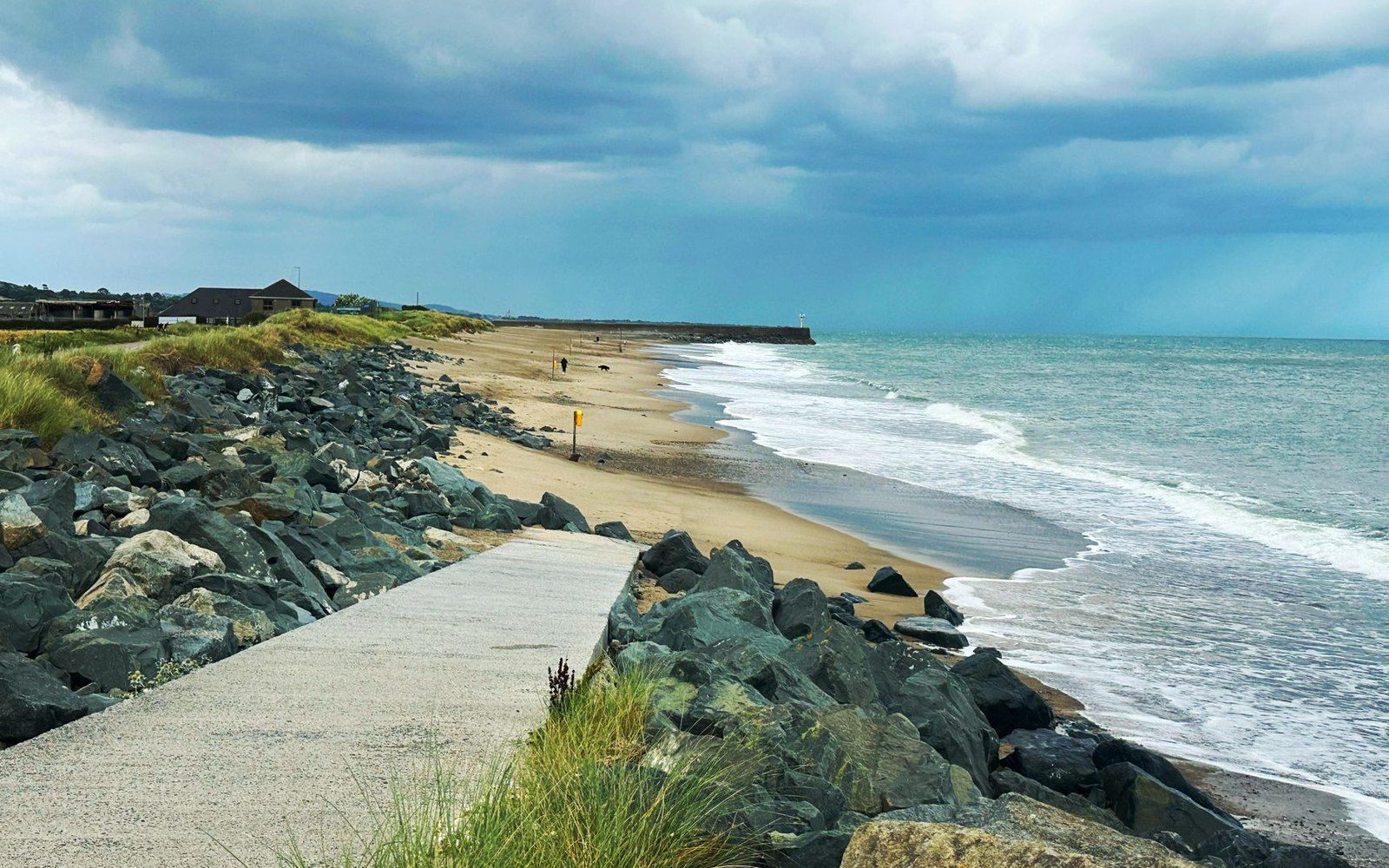
Brittas Bay, built and revised by one hand.
Photo: Alis View / Pexels
A self-built links on County Wicklow sand, extended hole by hole across three decades without championship pressure to shape it.
A Designer Who Built His Own Course
Pat Ruddy opened The European Club at Brittas Bay in 1992, on duneland in County Wicklow roughly an hour south of Dublin. Ruddy — journalist, publisher, and course designer — conceived, financed, and physically built the course himself, which makes it something of a singular object in Irish golf: a links that answers to one person's aesthetic rather than to a committee, a championship sponsor, or a governing-body brief.
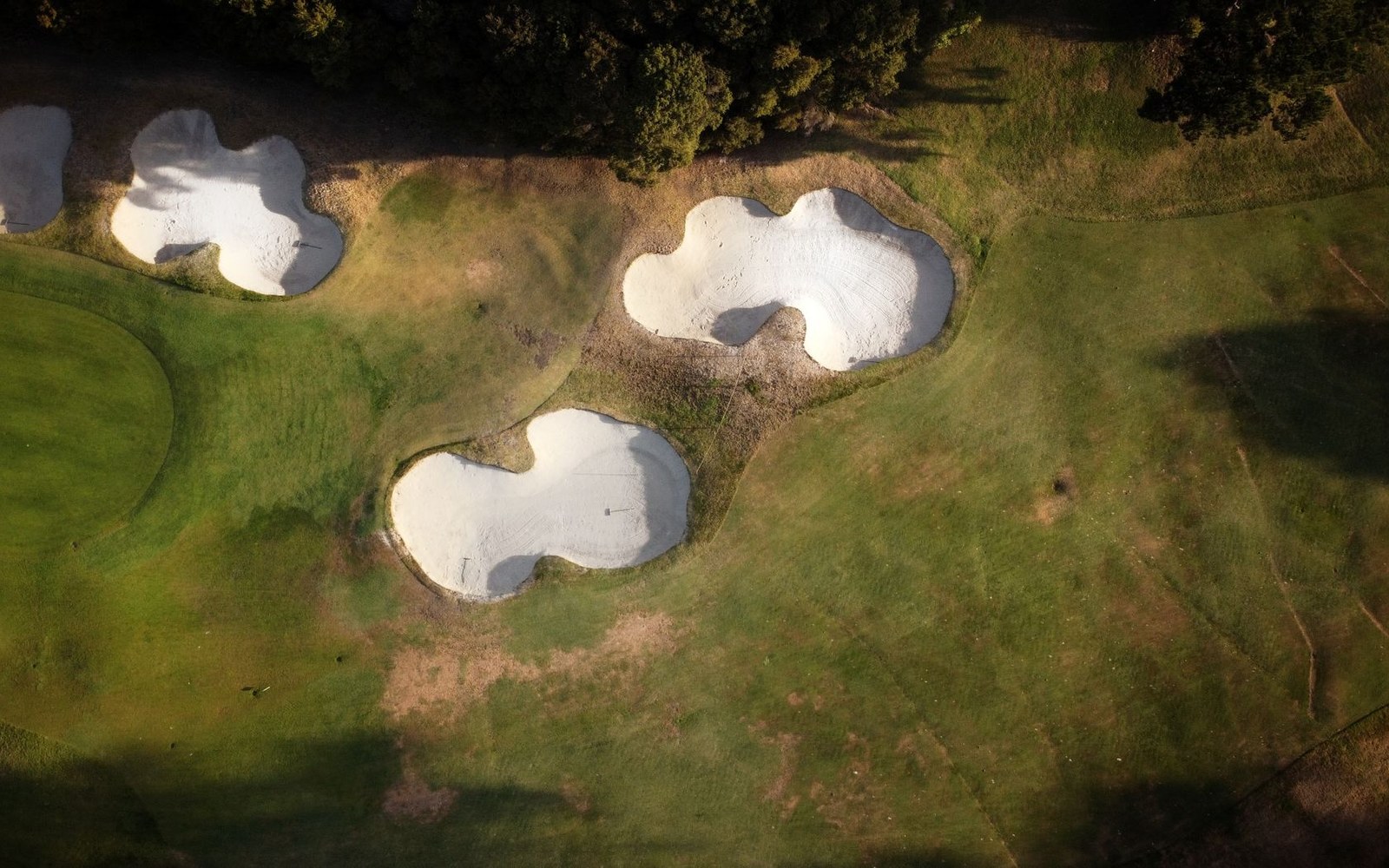
The original eighteen holes occupy classic links terrain, sandy and wind-exposed, with fescue turf running firm in dry weather and the Irish Sea framing several holes to the east. Ruddy routed the course to make direct use of the dune ridges and low corridors between them, favouring long carries and severe revetted bunkers — stacked-sod faces cut deep enough to penalise a mishit and reward a player who understands trajectory.
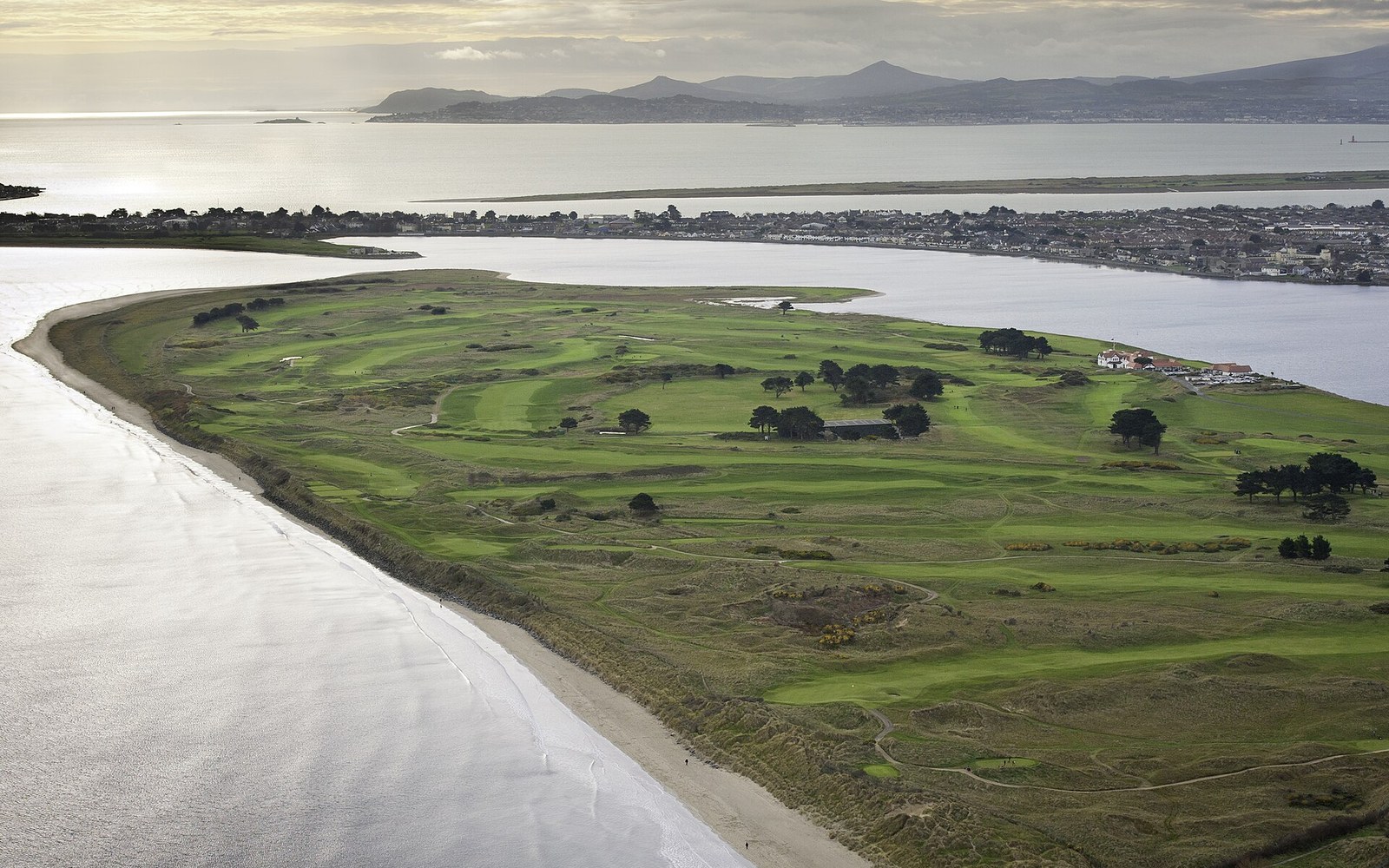
A narrow peninsula north of Dublin, and the drainage that comes with it. The routing is the geography.
Photo: Aerial View of Portmarnock Golf Club and peninsula · Wikimedia Commons · Photo: Memorial Garden at the Lusitania Museum & Signal Tower, Old Head, Kinsale · Wikimedia Commons
Since opening, Ruddy has added holes incrementally, expanding the layout beyond its original eighteen. The additional holes, each worked into the dune system — were not built to hosting specification or under outside commission. They exist because the land allowed them and the designer wanted them, which gives the course an organic, slightly asymmetric character unusual among courses of its reputation.
Outside the Championship Circuit
The European Club has not hosted a DP World Tour event or an Irish Open, and Ruddy has been explicit, over the years, that preserving the course's character matters more to him than staging large tournaments. The course appears near the top of most serious Irish rankings — Portmarnock, Royal Portrush, and Royal County Down sit in the tier that draws the major championships, but The European Club occupies a distinct position: highly regarded, privately controlled, and free of the infrastructure compromises that championship hosting requires.
That independence is also visible in the maintenance philosophy. The course runs lean: firm, fast, and Ammophila arenaria-stabilised dunes left to behave as dunes rather than manicured backdrops. The R&A's Golf Course 2030 sustainability framework identifies reduced chemical inputs and minimal irrigation as targets; Brittas Bay's links has, by design and geography, worked that way from the start.
Ruddy's position in Irish course design is documented — he also worked on courses elsewhere in Ireland and holds a central place in the post-Hackett generation of native Irish architects. But The European Club remains his primary statement: thirty-plus years of revision by the same hand, on the same stretch of Wicklow coast.