Lahinch: Laid Out in 1892, Disputed Ever Since
Laid out by Old Tom Morris in 1892, revised by Alister MacKenzie, and holder of the South of Ireland Championship since 1895 — Lahinch's record is long enough to carry two or three competing versions of what the course is supposed to be. The piece takes the architectural sequence and the championship scrutiny together.
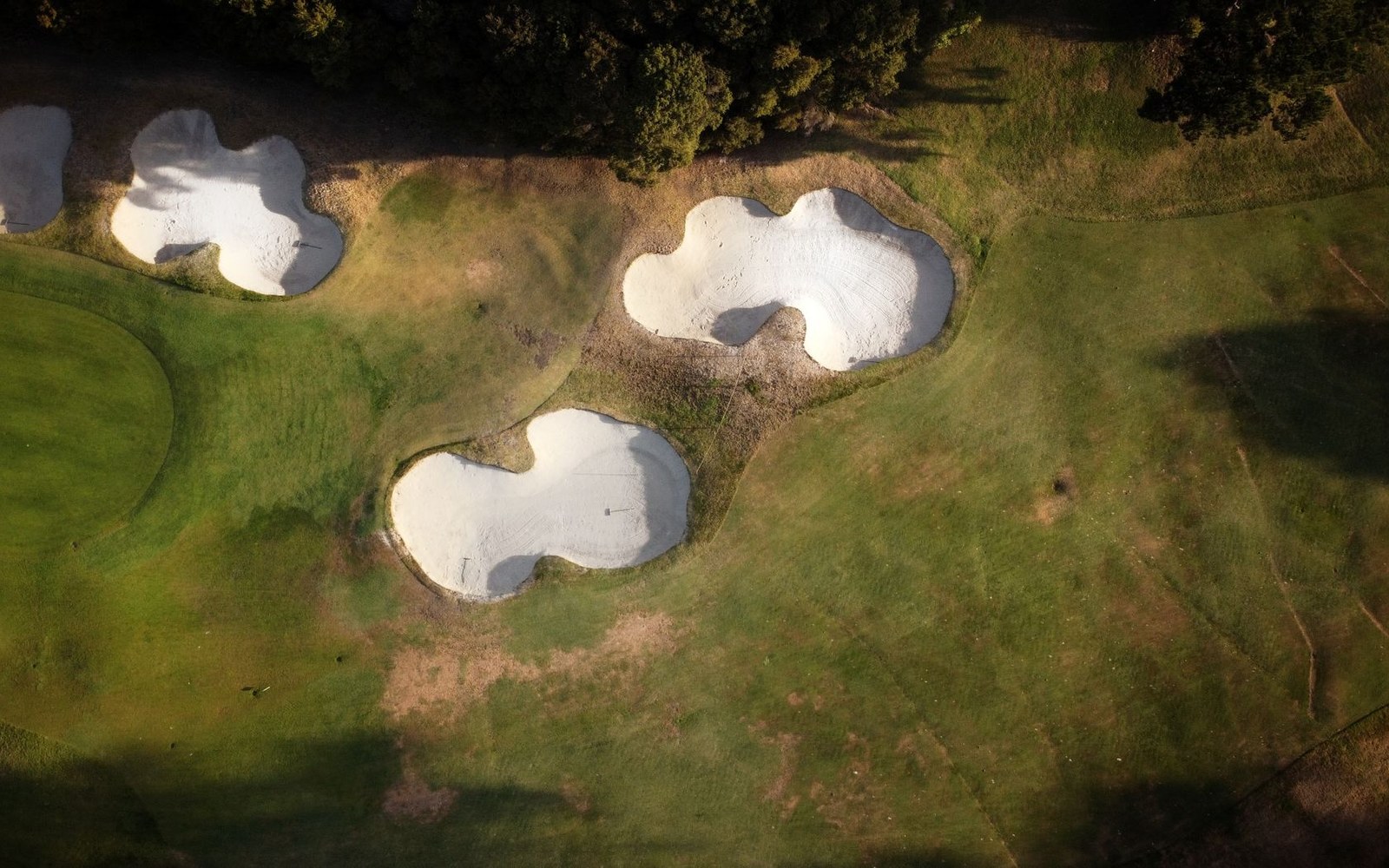
Old Tom Morris in 1892, Alister MacKenzie in 1927, and the dunes in charge of both.
Photo: Milan / Pexels
The Old Course has been rebuilt, revised and argued over for more than a century — and it still hosts one of amateur golf's oldest championship traditions.
From Morris to MacKenzie
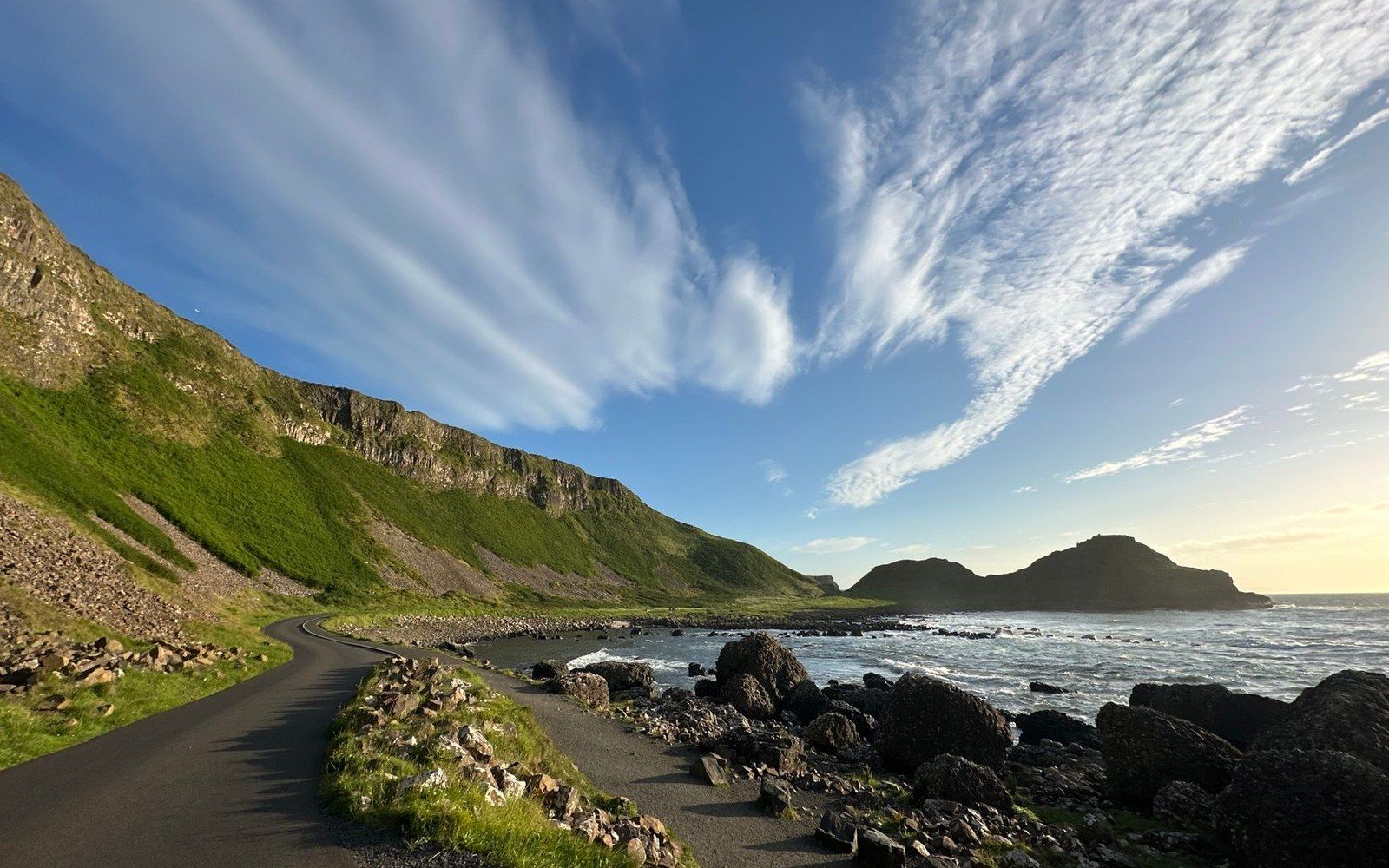
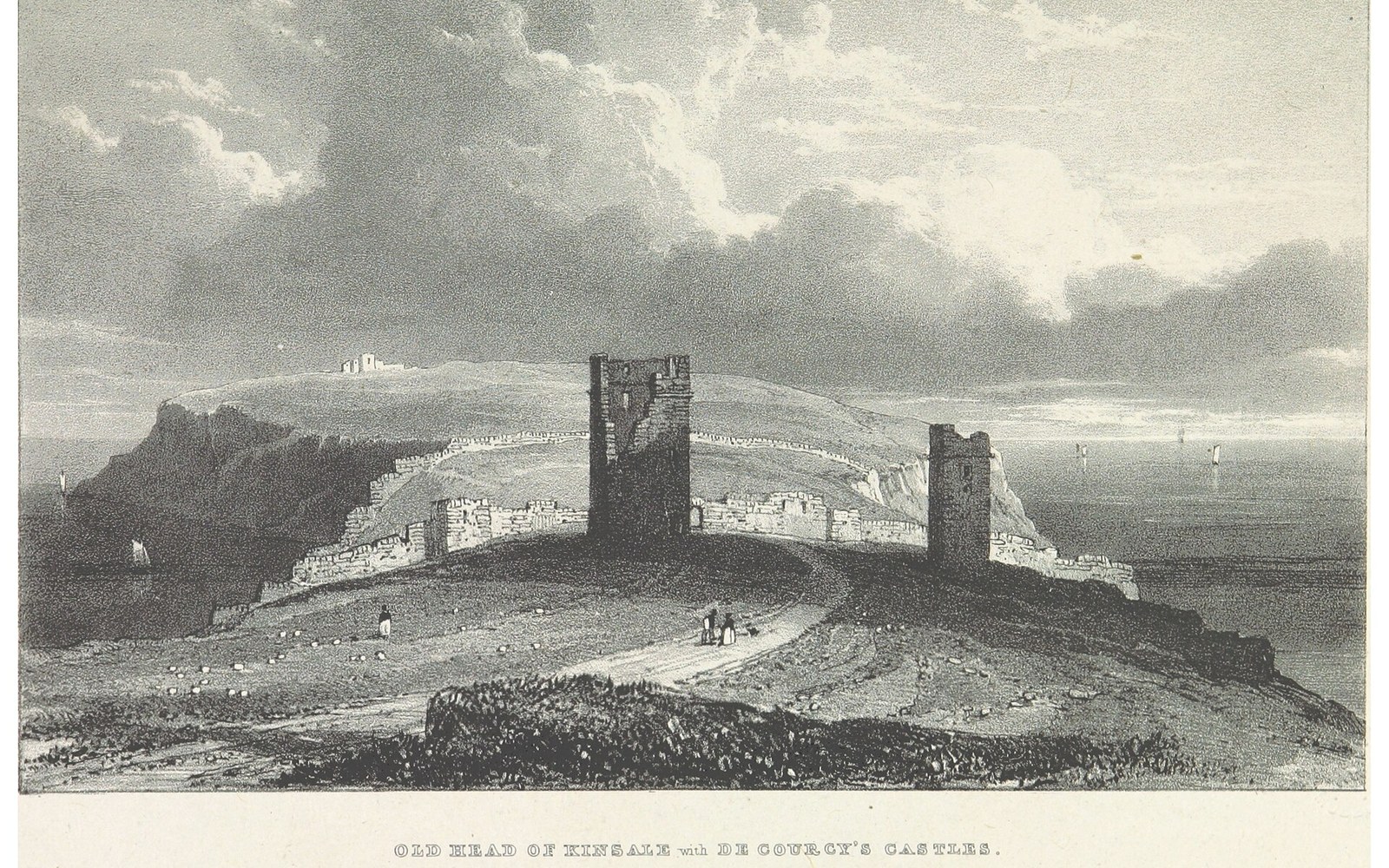
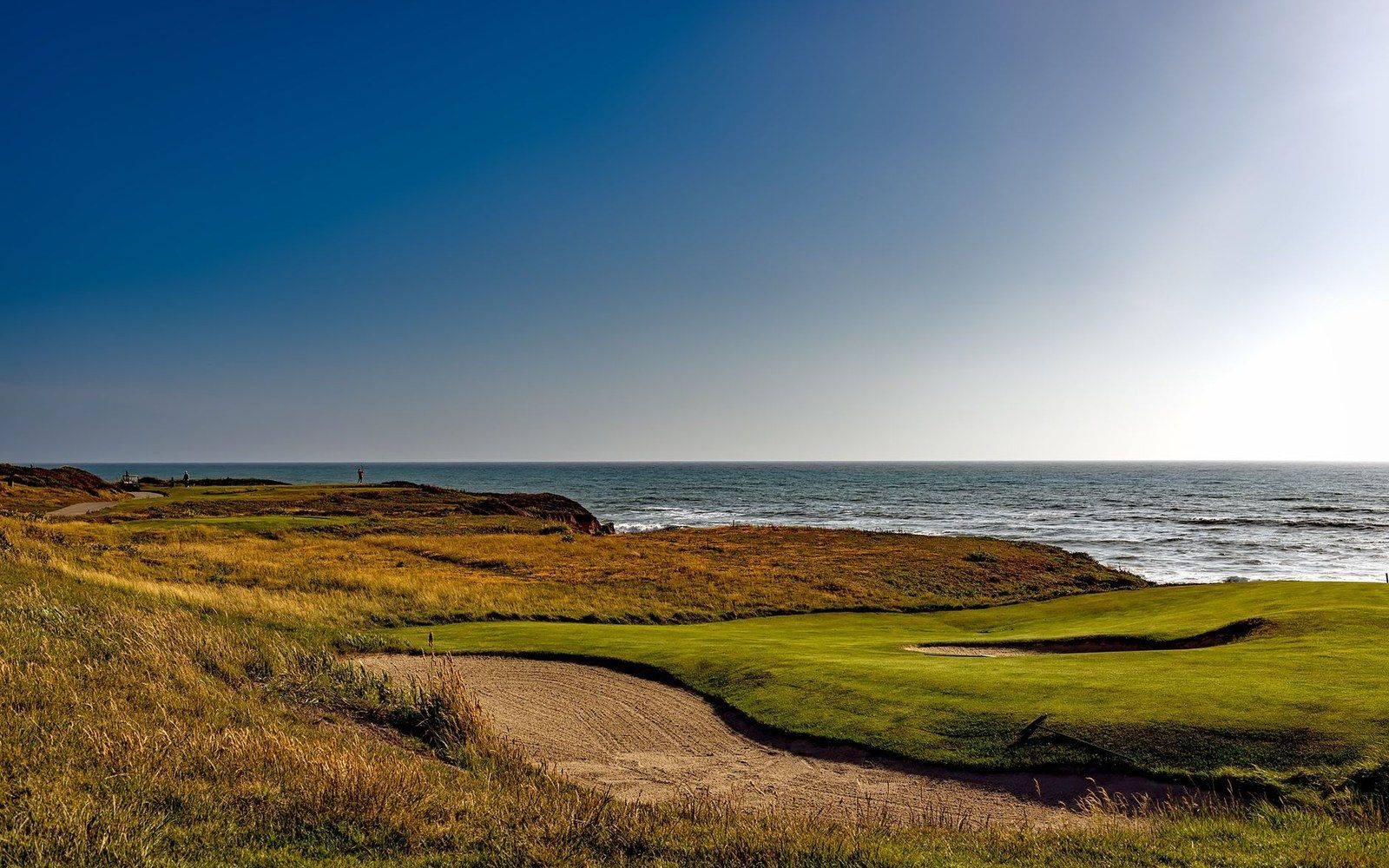
Old Tom Morris arrived at Lahinch in 1892 at the request of the Limerick County Cricket Club, whose members had formed a golf section. What he found was dune land on the Atlantic edge of County Clare — irregular, wind-scoured, and ideal. His routing followed the natural ridges and hollows with the practical directness that defined his course-laying work across Scotland and Ireland. Lahinch opened as an eighteen-hole course that same year.
The more contested chapter in the architectural sequence begins with Alister MacKenzie, who revised the course substantially in 1927. MacKenzie's work at Lahinch is inseparable from the two holes most associated with the course: the fifth, the Dell, and the fourth, the Klondyke. Both are freakish by the standards of strategic design — the Dell plays completely blind over a dune ridge to a green hidden in a hollow; the Klondyke requires a second shot over a towering sand hill with the putting surface nowhere in evidence. MacKenzie retained both, apparently finding their eccentricity defensible on the grounds that they belonged to the place. The architectural debate has run ever since: the Dell and the Klondyke are either irreplaceable curiosities or design problems that no serious championship course should contain.
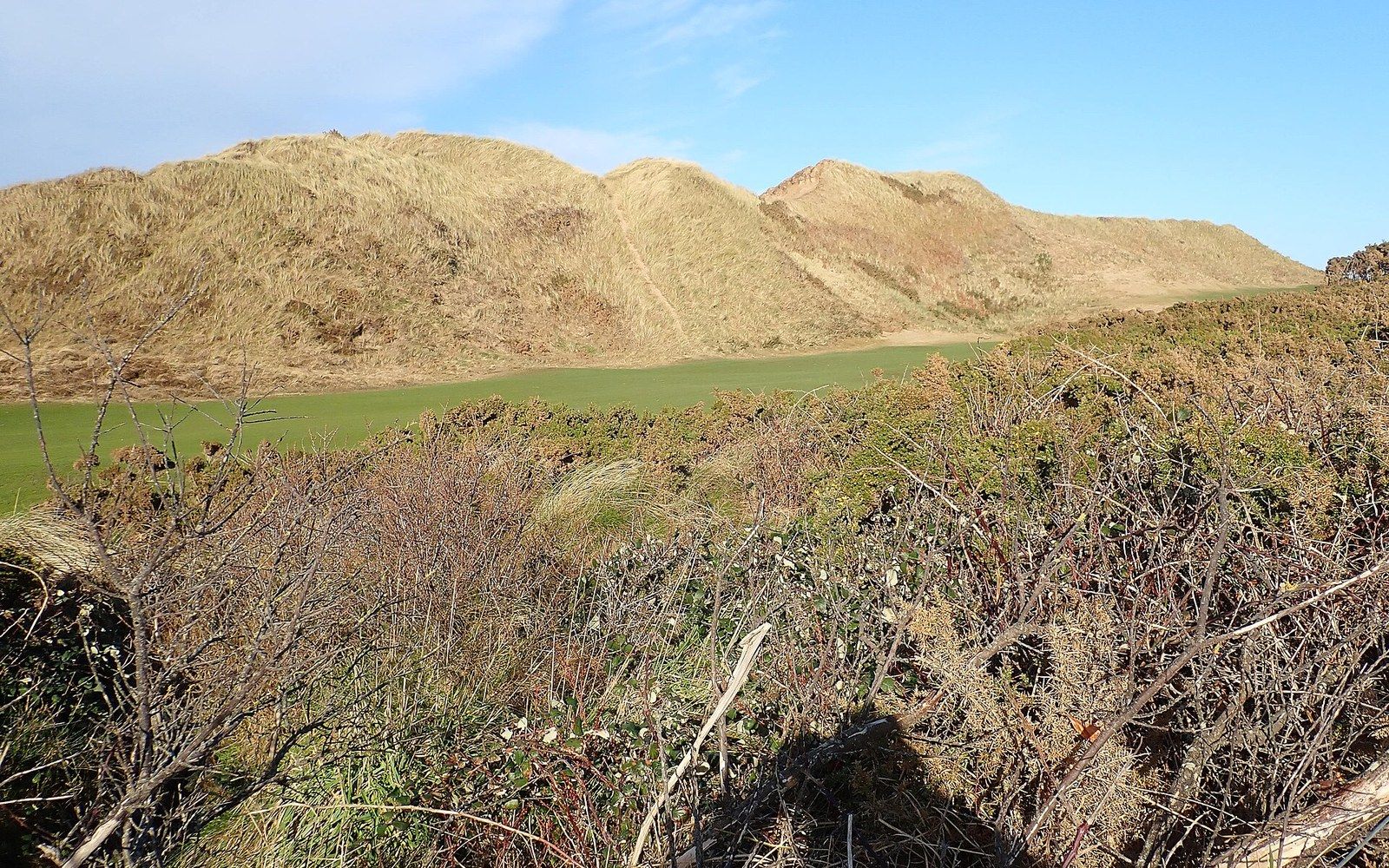
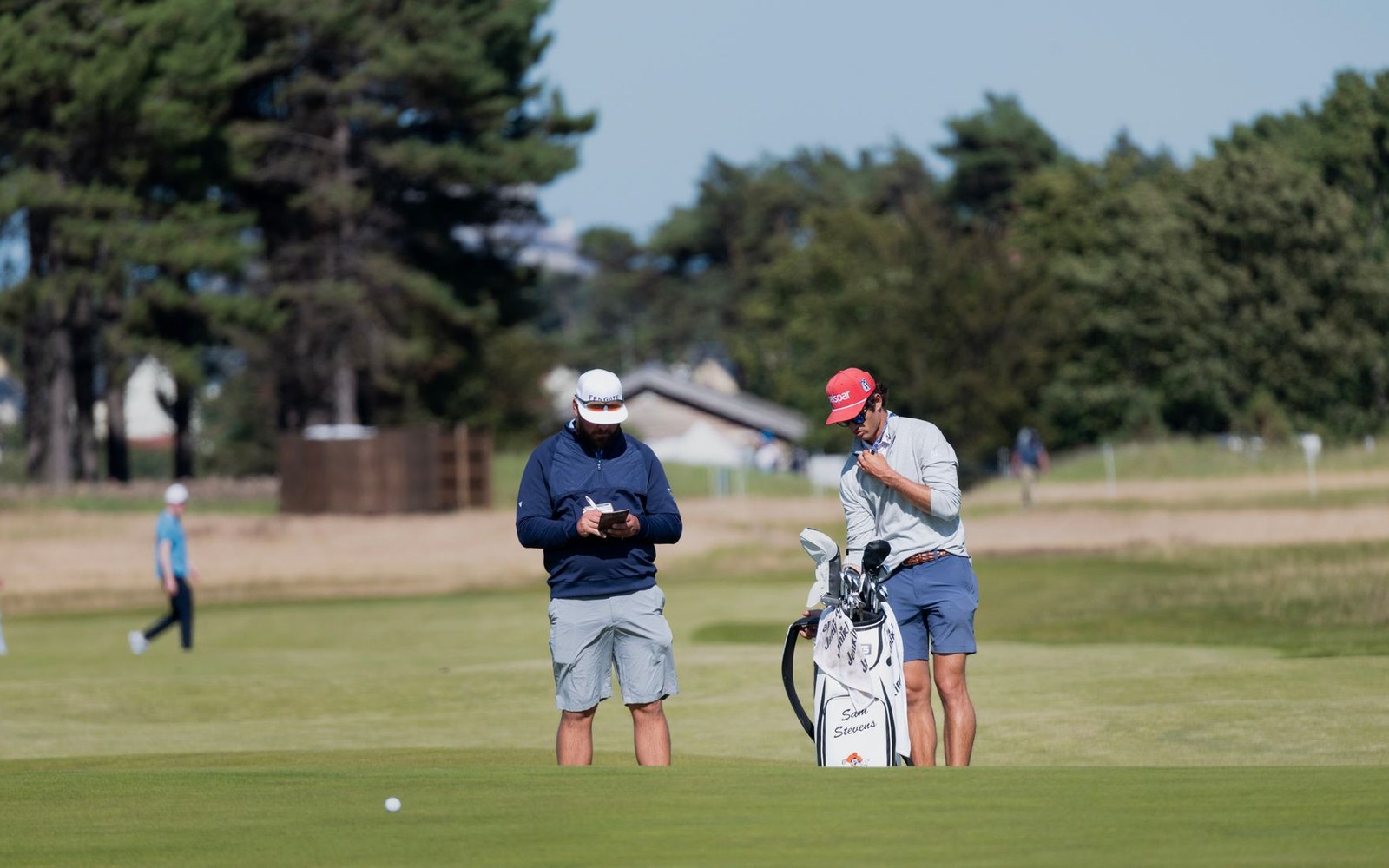
Newcastle, and the Mournes doing the framing. Grazing beside the first.
Photos: Eric Jones / Geograph via Wikimedia Commons; Becky L / Pexels
Martin Hawtree undertook a further revision in the early 2000s. His work restored much of the MacKenzie character that had been diluted in previous maintenance cycles, re-establishing firmer, faster fescue turf conditions and returning bunker profiles closer to the revetted originals. The Hawtree revision is largely responsible for the routing and presentation Lahinch carries today.
The Championship Record and Its Scrutiny
The South of Ireland Amateur Championship has been played at Lahinch since 1895, a record of unbroken association that makes it one of the oldest recurring amateur championships on any single course anywhere in the world. That continuity is part of what has kept the course in serious competitive consideration.
Elite competition brings the tightest architectural scrutiny Lahinch receives. Whenever strong fields meet the Dell and the Klondyke under championship conditions, the objections that are usually theoretical become concrete. Blind shots under championship pressure reward local knowledge in ways that cut against the grain of elite competition. The drama across the rest of the course has tended to partly eclipse the question, but it has not resolved it.
The Irish Open has also visited Lahinch, most recently in 2019, when Jon Rahm won in conditions that reduced the Atlantic links to its essential character: wind, rain, and the need to keep the ball below the ridge line. That week demonstrated what the course can impose on professionals as effectively as it imposes on amateurs.
What the architectural sequence at Lahinch illustrates, across Morris, MacKenzie, and Hawtree, is how a course acquires strata. Each revision worked with what was already there rather than clearing and rebuilding — the method that the R&A's Golf Course 2030 sustainability framework now endorses formally, though Lahinch arrived at it by necessity and topography rather than policy. The dunes would not permit wholesale change even if anyone had wanted it.
The Geological Survey Ireland has documented active erosion on this section of the Clare coast. The course's relationship with the Atlantic is not static. Whether the Dell and the Klondyke are design problems or place-specific gifts, the ground they sit on is moving, and Lahinch's next revision — whenever it comes — will need to reckon with that before it reckons with anything else.