Where the Irish Open Goes and Why It Moves
The Irish Open's venue rotation has moved it between venues including Adare, Portrush and Lahinch — the pattern reflects DP World Tour scheduling, sponsor requirements and government tourism funding. The piece traces the rotation from 2000 to the 2025 running and the forces that shape it.
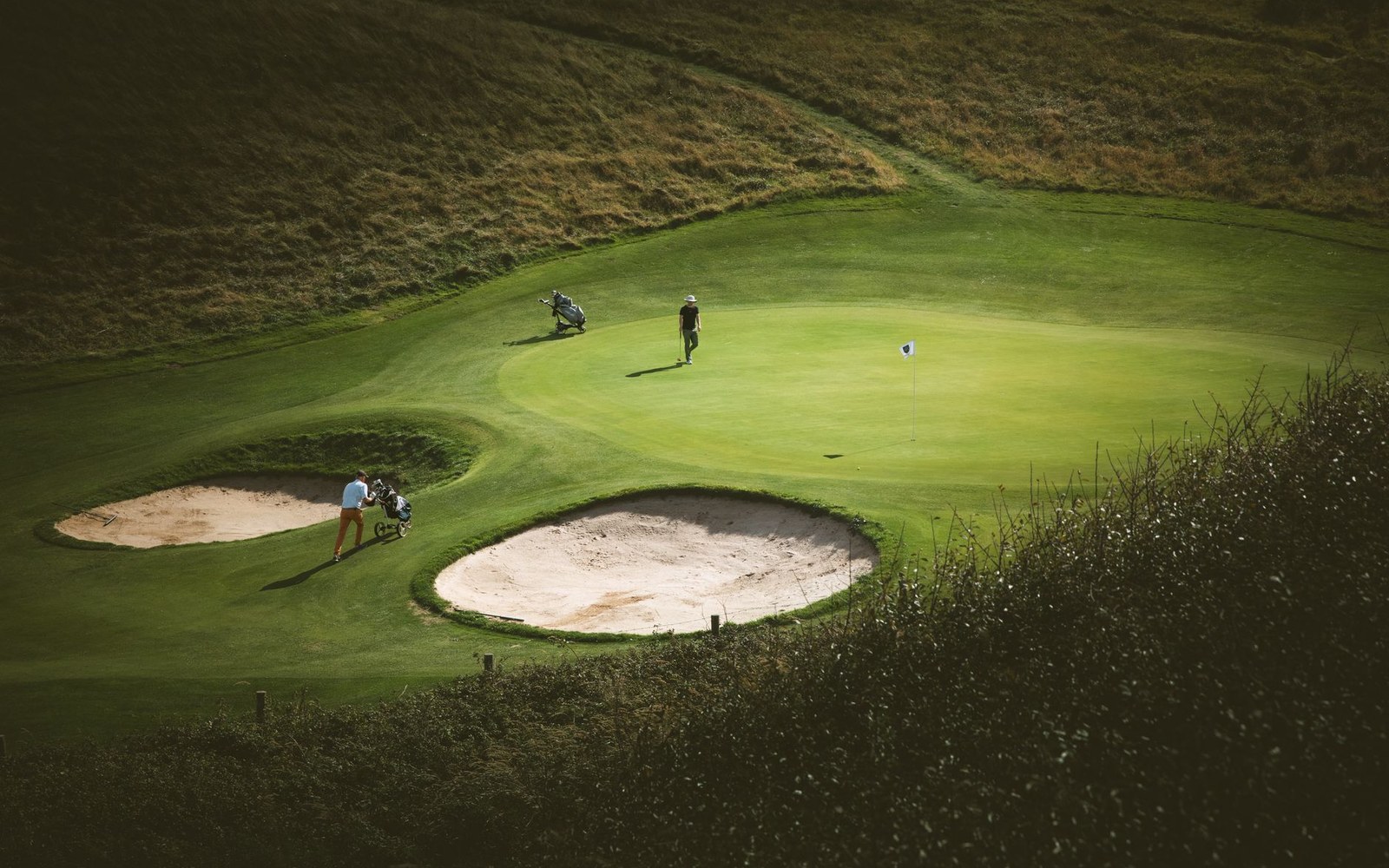
The rotation reaches the links roughly as often as the tour lets it.
Photo: Ryan Klaus / Pexels
The rotation of Ireland's national open reflects commercial scheduling, Atlantic weather, and how much public money a county tourism body is willing to commit.
The Pattern Since 2000
The Irish Open has run under DP World Tour (formerly European Tour) regulations continuously since the mid-1980s, but the venue question has never been settled for long. Between 2000 and 2025, the championship visited nine different courses — a degree of mobility that is unusual even by the tour's standards, and explicable only by treating three forces together: title-sponsor appetite, government tourism subvention, and the R&A's own interest in keeping major championship infrastructure cycling through the links-rich west.
The venue record across the period runs as follows. In 2000 and 2001 the event went to Ballybunion, which had not hosted it since the 1980s; the return was short-lived. Mount Juliet, the parkland estate in County Kilkenny, held the championship in 2002 and 2003. The K Club at Straffan took it from 2004 through 2006, a run that ended with the Ryder Cup occupying the property in September of the same year. Adare Manor came in briefly before the financial crash effectively froze Irish tourism spending; the European Tour filled the gap with Killarney in 2010. Portrush hosted in 2012, the same season the R&A announced the Open's return to Northern Ireland, and the proximity was not coincidental — a successful Irish Open at Dunluce served as proof of concept for a major international field at the venue. Royal County Down at Newcastle took it in 2015. Lahinch held the 2019 edition — Jon Rahm's first Irish Open win — while Portrush staged the Open Championship the same summer. Ballyliffin hosted in 2018; the Glashedy layout was a political choice as much as an architectural one, placing the tour in Donegal and drawing Fáilte Ireland backing. The championship returned to Mount Juliet for the pandemic-affected 2021 staging, stayed there in 2022 (Adrian Meronk), then moved to the K Club in 2023 (Vincent Norrman) and to Royal County Down in 2024. The 2025 edition is scheduled for Royal Portrush, completing a circuit that has revisited each of the major Atlantic venues at least twice in twenty-five years.
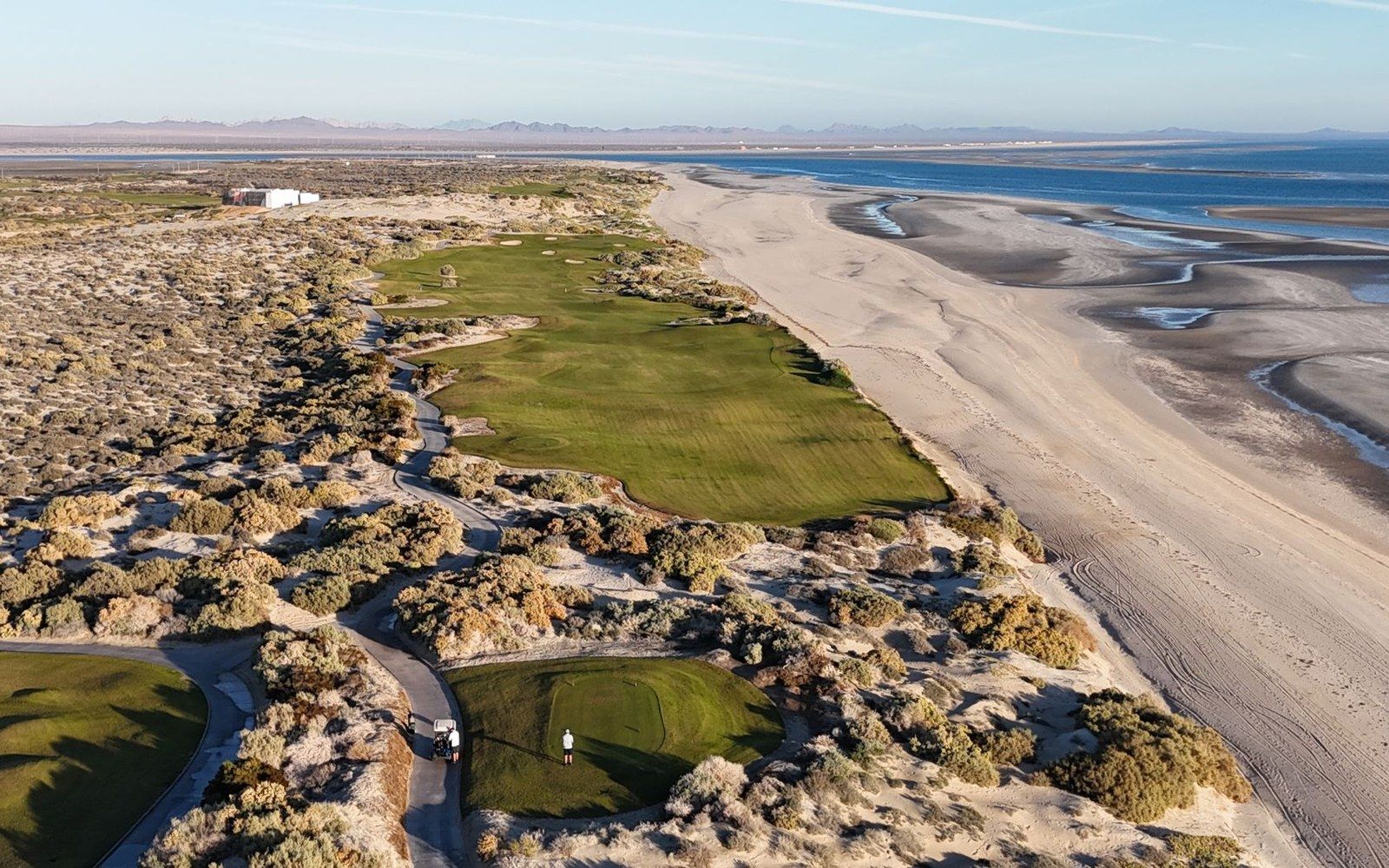
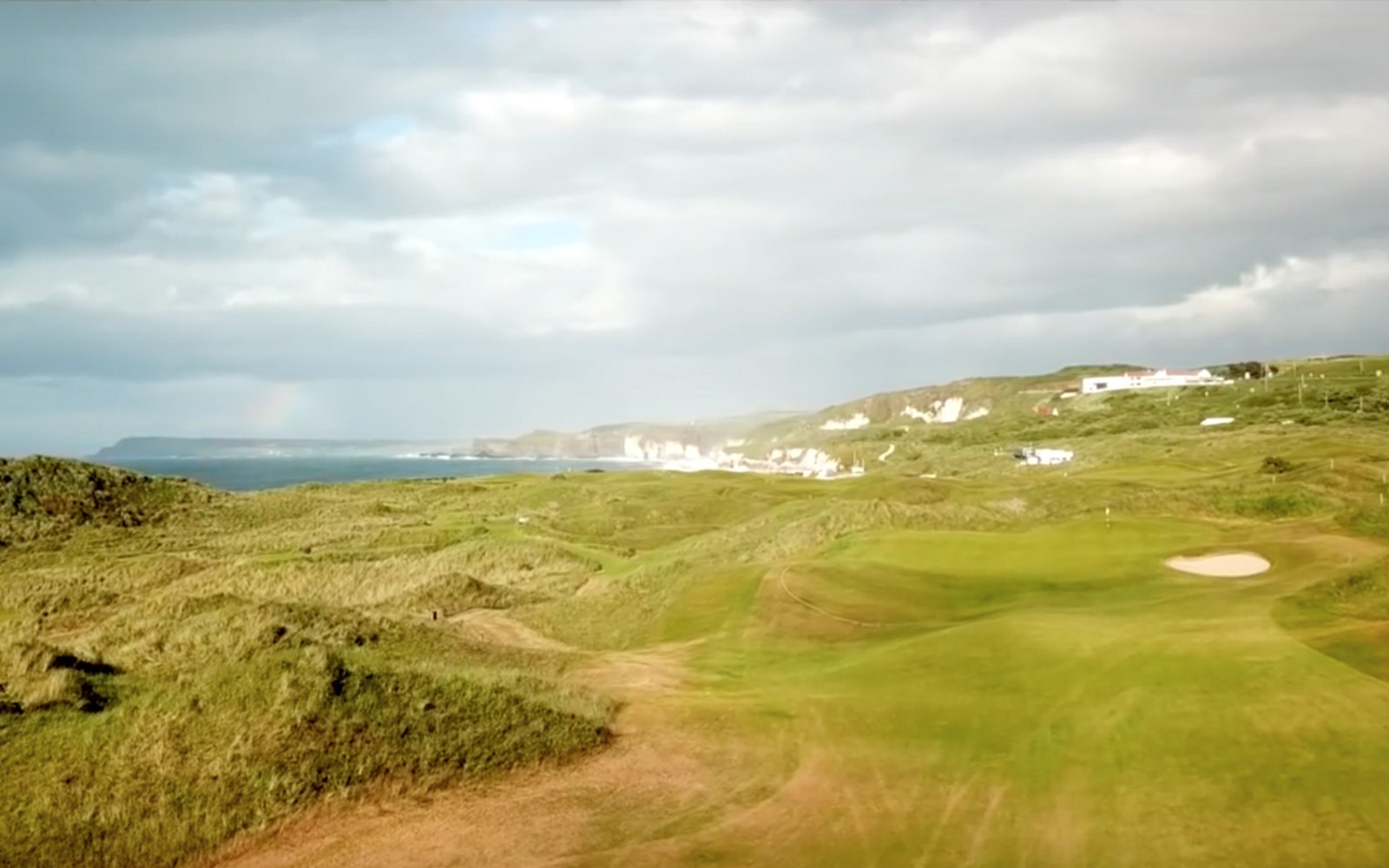
Amateur match play on ground of that vintage. Rock armour buys time and changes the look of a hole permanently. Where it goes in, it goes in because the alternative was losing the hole.
Photo: Ravenswood Photography / Pexels · Photo: Royal Portrush 8th hole · Wikimedia Commons
What Drives the Rotation
The DP World Tour does not own the Irish Open and cannot unilaterally assign venues; the commercial structure requires a title sponsor willing to fund the pro-am and hospitality framework, and a host body — almost always a regional tourism agency — prepared to cover infrastructure and promotion costs. When Fáilte Ireland is the primary funder, as it has been repeatedly since 2015, the agency exercises influence over geography: it has a direct mandate to spread the economic benefit of major events, which is why the championship has appeared in Donegal, Clare, and Kerry in the same decade. The DP World Tour's own tournament schedule confirms host and sponsor detail year by year.
Course suitability remains a constraint. The tour requires guaranteed spectator capacity, broadcast infrastructure, and weather contingency — factors that eliminate smaller links and that pushed the event toward parkland venues in the early 2000s. The R&A's Golf Course 2030 sustainability framework, while primarily aimed at maintenance practice, has also shaped how host clubs present themselves to tour organisers: venues demonstrating responsible turf management and reduced chemical inputs now carry a reputational advantage in selection conversations.
The winner record across the same span reflects how the rotation intersects with scoring conditions. Portrush and Royal County Down, both exposed to Atlantic wind, have historically produced higher winning totals than the parkland venues. Lahinch's scorecard and par have been adjusted between editions, a reminder that even the course the tour returns to is not quite the same course twice.
What the rotation has not done, in twenty-five years, is settle. The championship remains a negotiated arrangement, reconstituted edition by edition, which is both its instability and its range.