The Walker Cup at Lahinch: What Amateur Golf Looks Like on a Links
Lahinch hosted the Walker Cup in 2019, the first time the match had gone to a course of that vintage and character. The piece covers the result, the course setup, and what the event's return to traditional links conditions — rather than parkland or resort courses — changed about how the match played.
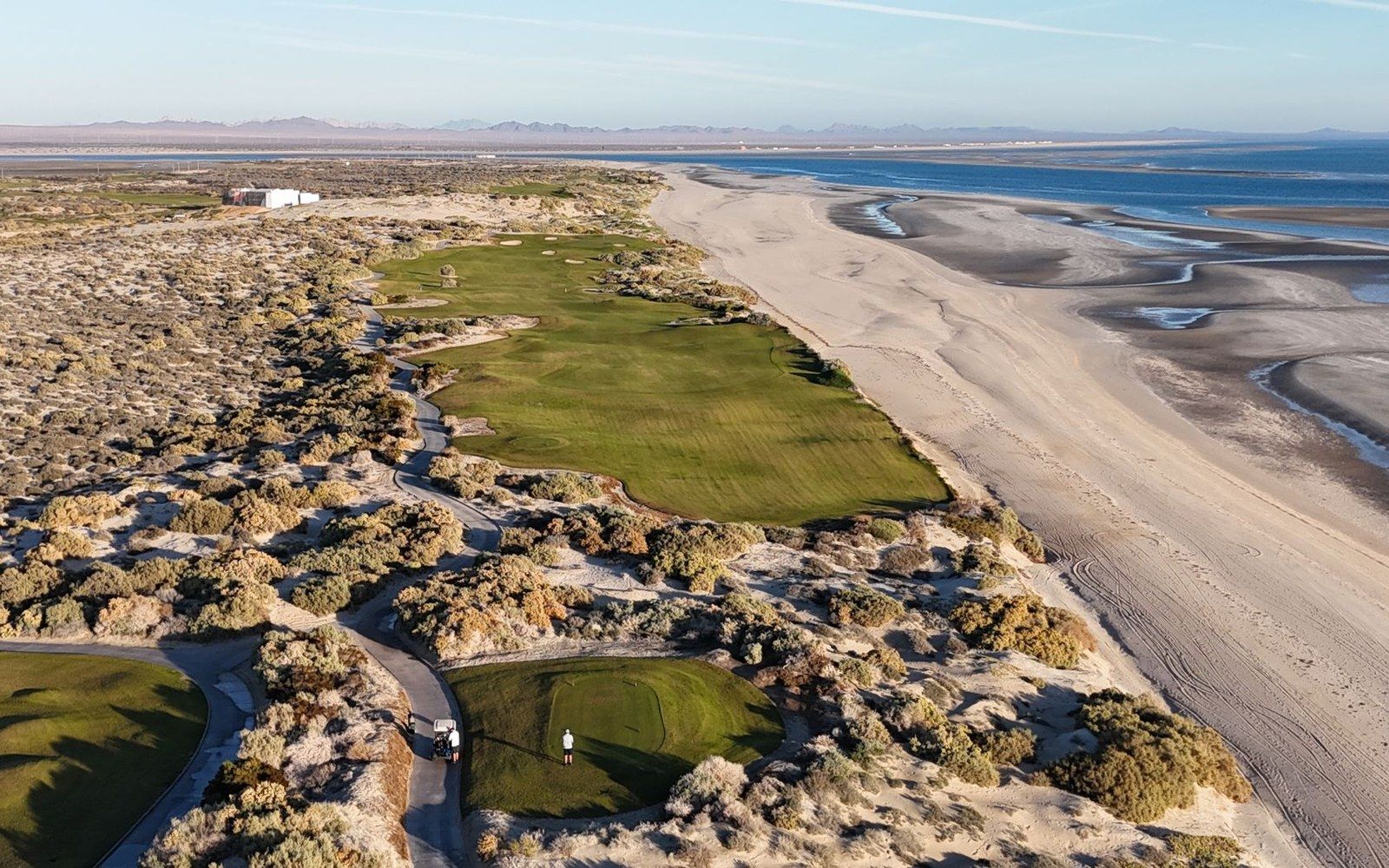
Amateur match play on ground of that vintage.
Photo: Ravenswood Photography / Pexels
The 2019 Walker Cup confirmed what Lahinch's Old Course had always argued: genuine links conditions produce a different kind of match.
A Different Stage
The Walker Cup arrived at Lahinch in September 2019, bringing the biennial match between Great Britain & Ireland and the United States to a course of considerable age and Atlantic exposure. The Old Course dates its formal layout to Old Tom Morris's 1894 routing, substantially revised by Alister MacKenzie in 1927, and it had spent more than a century hardening into the kind of links that resists neutral play. Firm, fast, wind-dependent, with greens that reward ground approach rather than aerial attack — it was a test the amateur game had not faced at this level for some time.
The result went to the United States, who won the Walker Cup by 15½ to 10½. The margin was larger than most forecasts, and the course conditions were central to why. American players, trained predominantly on still air and soft parkland turf, found the low running game demanded by Lahinch's terrain unreliable under competitive pressure. GB&I's players, more regularly exposed to links conditions through domestic amateur events and the championship rotation, adapted with less difficulty.
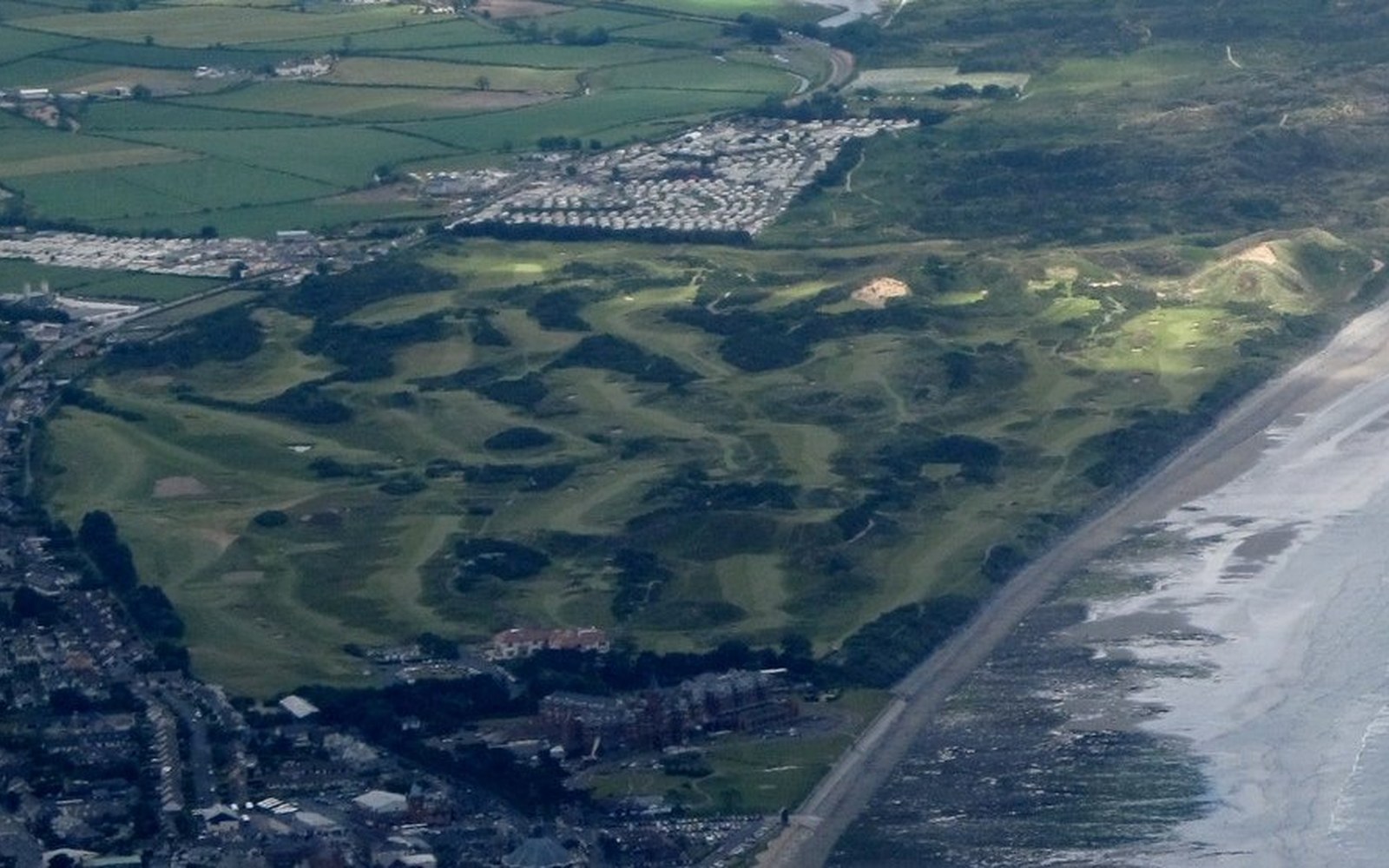
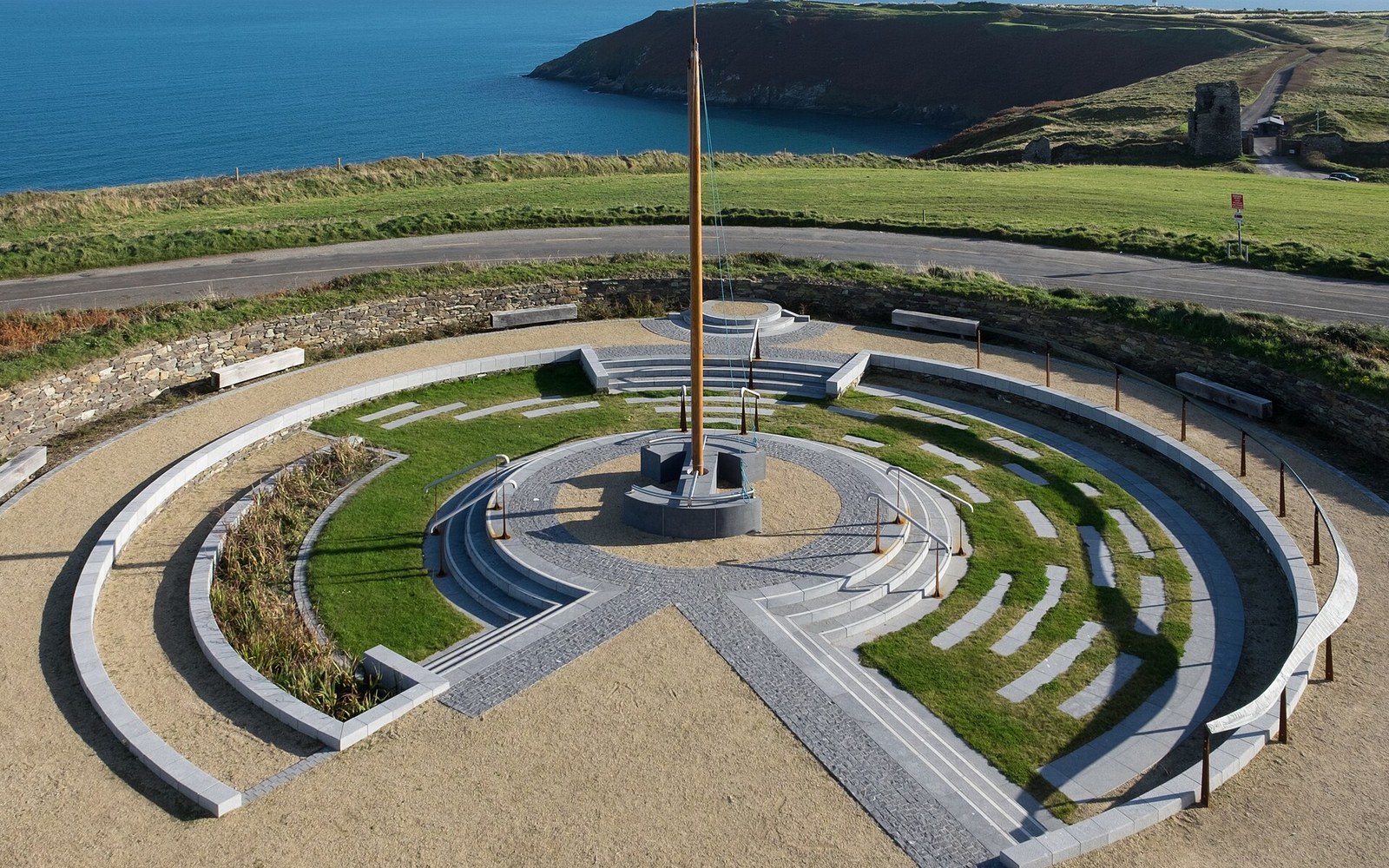
What the Amateur asks of a course that the professionals do not. The routing is the geography.
Photo: Royal County Down Golf Club-geograph-4029611-by-Eric-Jones · Wikimedia Commons · Photo: Memorial Garden at the Lusitania Museum & Signal Tower, Old Head, Kinsale · Wikimedia Commons
How the Course Played
Course setup for the match preserved the Old Course's essential character. The R&A, which administers the Walker Cup, kept the routing close to its standard competition form, with the dune-framed par fours along the Atlantic edge providing the match's most photographed and most demanding exchanges. Wind off the Atlantic — variable on both days — altered effective distances and demanded club selection that pure yardage charts cannot resolve. Several holes that appear modest on paper became significant scoring differences across the two sessions of foursomes and two of singles played under the Rules of Golf in effect from 2019.
Lahinch's greens, predominantly fescue-based and maintained firm rather than soft, punished approaches that ignored the slope and run. Revetted bunkers at key positions — particularly on the landward holes of the back nine — took players who had strayed out of position and offered no easy recovery.
The 2019 match reinforced what the Walker Cup's better editions always demonstrate: that amateur golf at the highest level belongs on courses that impose conditions beyond the player's control. Lahinch did not flatten the field. It distinguished it.