Tom Fazio's Adare Manor: What a $40 Million Rebuild Buys
Tom Fazio's 2018 rebuild of Adare Manor's parkland course was commissioned with the Ryder Cup in mind and involved moving significant quantities of earth, rerouting holes and enlarging the course's spectator infrastructure. The piece covers the scope of the work, the design decisions, and how the rebuilt course compares with Fazio's American portfolio.

Shaping, moved earth, and a match in mind.
Photo: Lucie Liz / Pexels
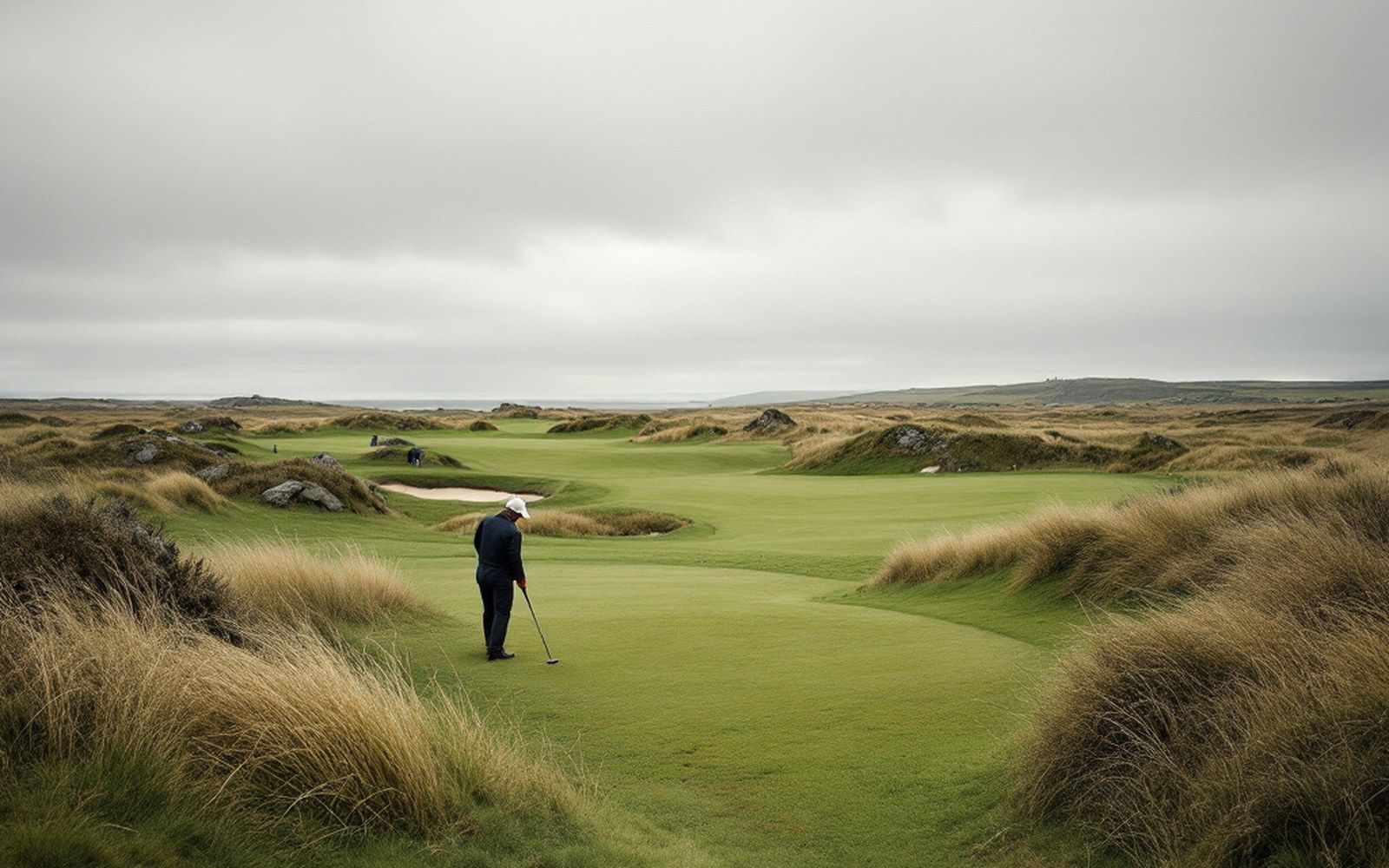
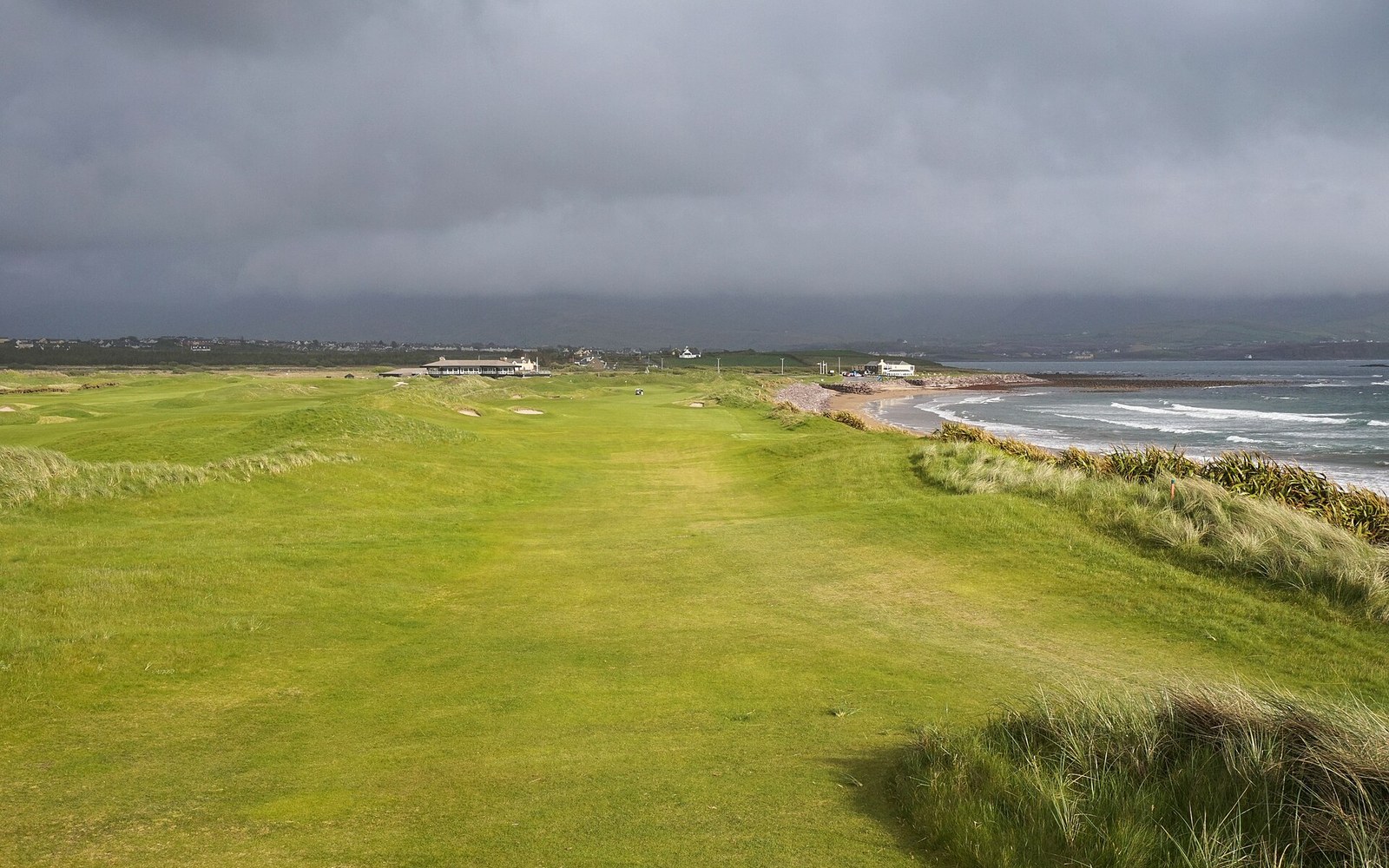
A parkland course rebuilt for one purpose — and the design decisions that came with that mandate.
The Commission and Its Logic
Adare Manor's golf course existed in a respectable, unremarkable form for years before J.P. McManus commissioned a wholesale rebuild. The brief was not primarily about making a better golf course; it was about making a Ryder Cup venue. Those are related but distinct ambitions, and the distinction drove nearly every decision Tom Fazio and his team made between 2016 and the course's reopening in 2018.
Fazio is the dominant figure in American resort and private-club design of the last four decades — Augusta National renovations, Shadow Creek in Nevada, Quail Hollow in North Carolina. His portfolio is characterised by large-scale earthmoving, generous green complexes, and a production-value aesthetic that prioritises visual drama over strategic ambiguity. Adare Manor is his only completed work in Ireland, and the course's rebuild represents the most expensive single transformation of a golf facility in Irish history, with reported costs in the region of $40 million.
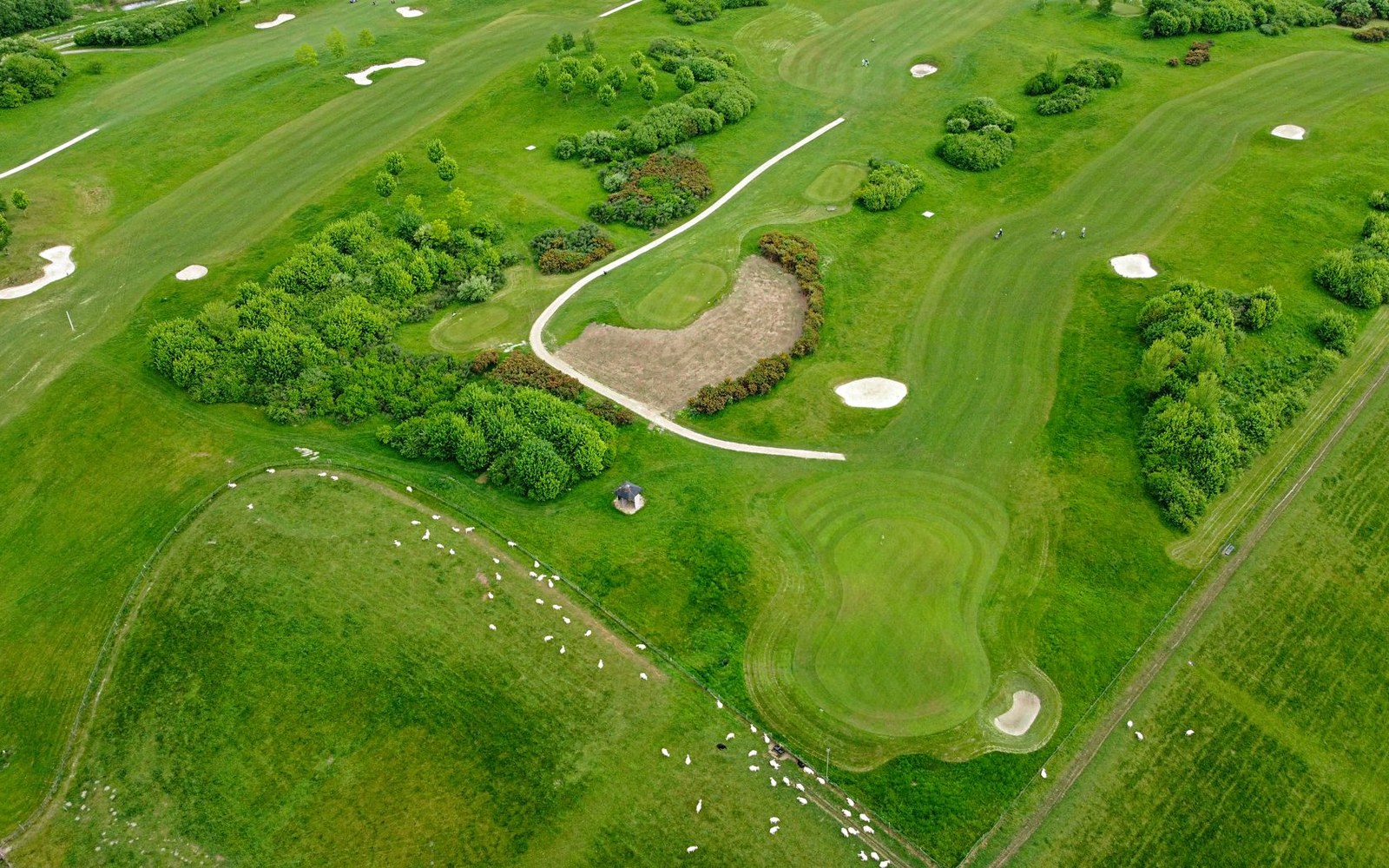
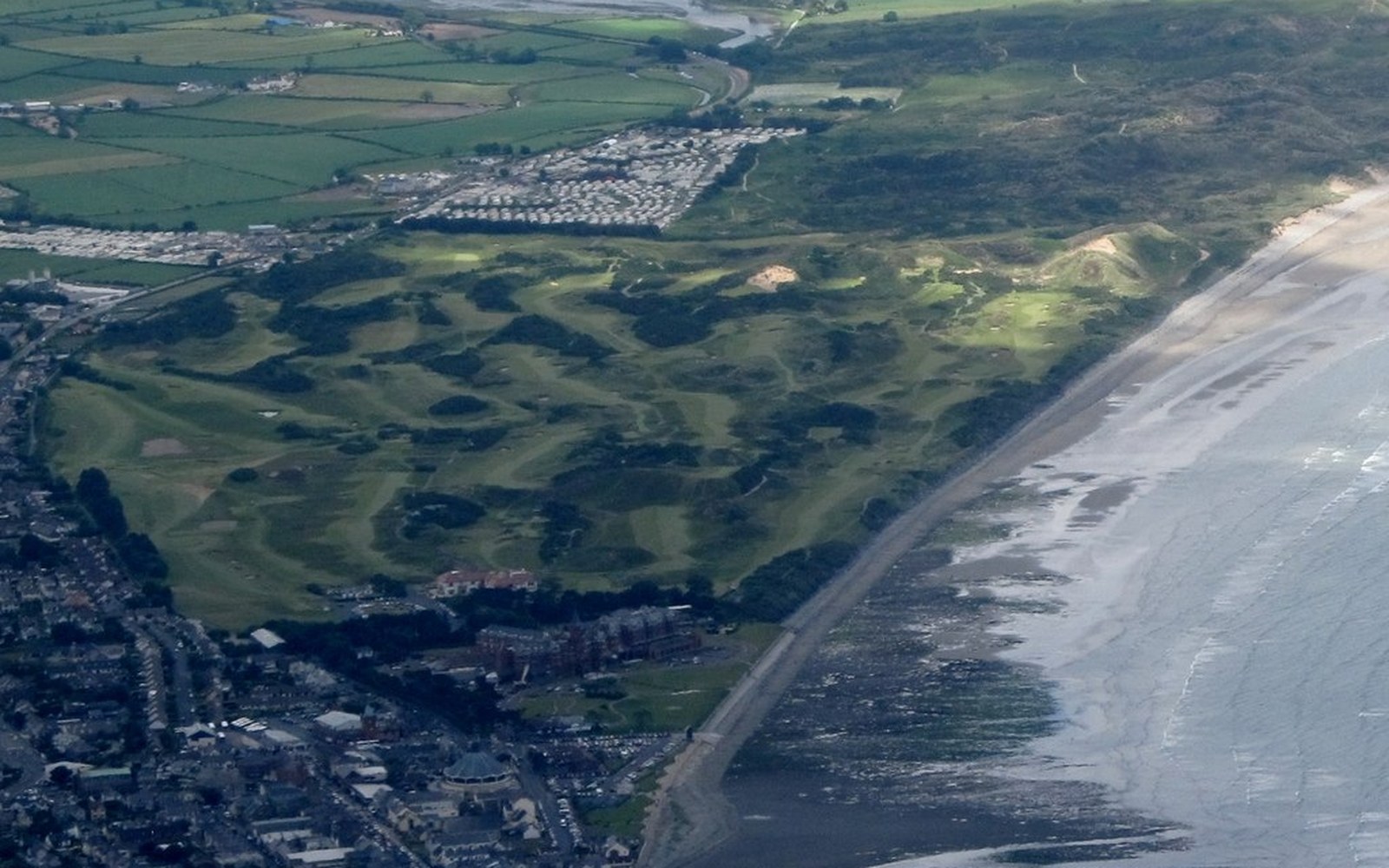
A links architect by one course. Marram-fringed, revetted, and among the most expensive things on the course to keep.
Photo: De Lemster Krant / Pexels · Photo: Eric Jones / Geograph · Wikimedia Commons
The original course sat on the limestone-enriched parkland of the Adare estate in County Limerick, threaded through mature oak woodland beside the River Maigue. Fazio retained that woodland setting — it is irreplaceable — but the routing changed substantially, green sites moved, and the agronomic specification was lifted to championship standard throughout. The capacity to move spectators in the tens of thousands also shaped the work in ways that would not apply to a course built only for play: wide corridors, elevated viewing mounds, and infrastructure buried beneath fairways to handle broadcast cabling and temporary village construction.
What the Earthmoving Bought
Fazio's American practice operates at scales Irish golf course work rarely reaches. The earthmoving at Adare — quantities not publicly itemised in any official disclosure, but evident in the topography of the finished course — produced contoured fairways and green surrounds that have no precedent in the Irish parkland tradition. Where Irish parkland architecture has historically worked with existing ground, accepting or modestly adjusting natural fall, Fazio imposed relief. Greens sit on constructed plateaux and within sculpted bowls. Bunkers carry the raked-sand, geometrically precise presentation of his American work, a deliberate departure from the shaggy, naturalistic bunkering of, say, Alister MacKenzie or Harry Colt.
That difference is aesthetic and functional simultaneously. MacKenzie bunkering reads as part of the land; Fazio bunkering announces itself. At a major championship venue under television production, announcement is useful. Whether it serves the game as architecture is a separate argument, and one the course's 2027 Ryder Cup appearance will give professionals the opportunity to settle in practice rather than theory.
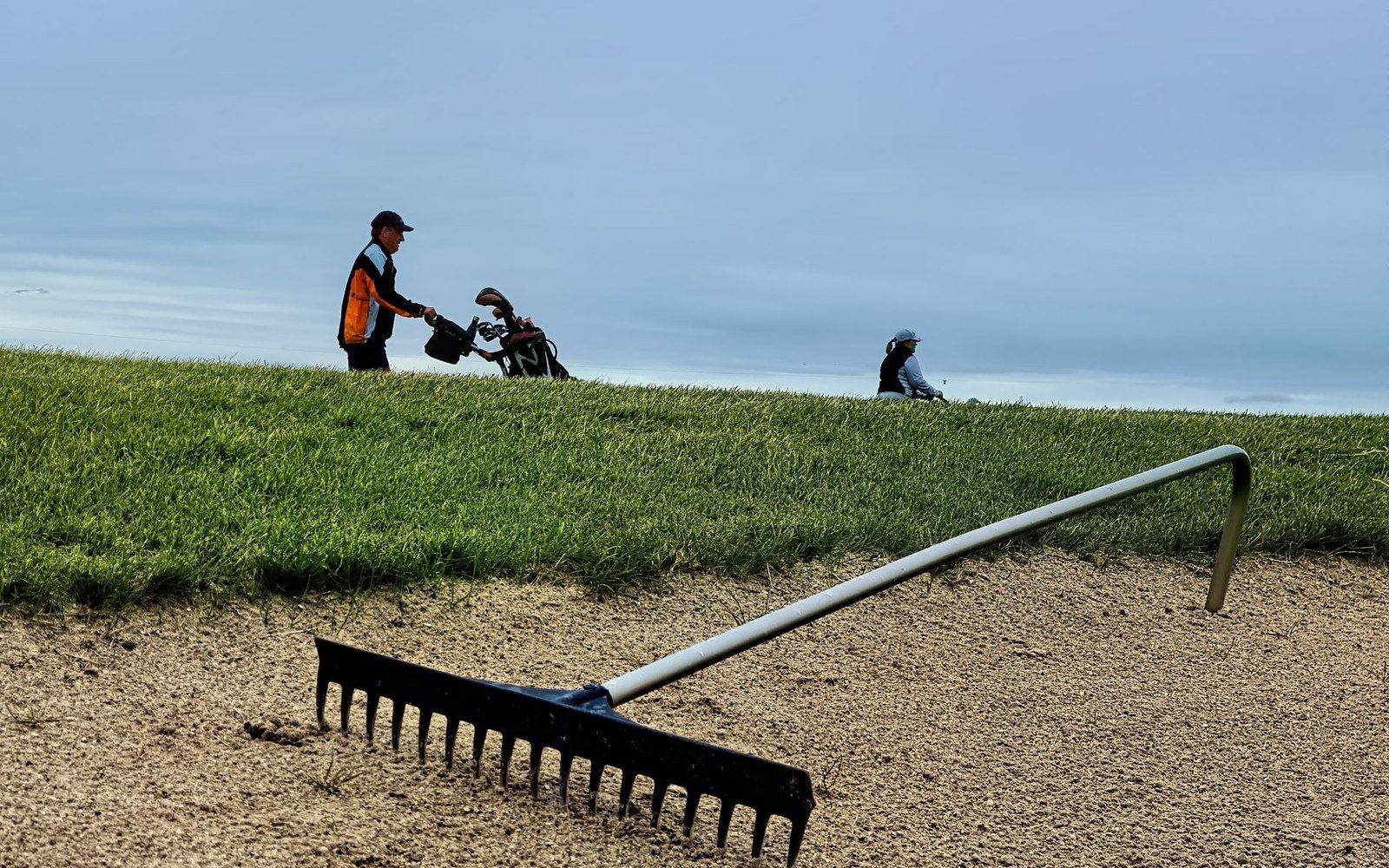
Turf cut, stacked and pinned by hand: a bunker face is rebuilt rather than repaired.
Photo: Martin Magnemyr / Pexels
The green complexes are large by European standards, averaging in the high four thousand square feet by the club's own figures — a scale calibrated for pin positions that can be varied across a week's competition without exhausting usable surface. Drainage beneath those greens was rebuilt to USGA specification, which the USGA outlines in its turfgrass construction guidelines, using a sand-based rootzone system that gives greenkeepers precise control over firmness and pace.
Fazio's Work Against His Portfolio
Placing Adare in Fazio's wider body of work clarifies what it is and is not. Shadow Creek is a course built on Nevada desert without a single natural asset borrowed from the site; everything, including the trees, was imported. Adare inverts that: the assets — medieval ruins, the Maigue, the oak canopy — were already there, and Fazio worked around them. The result is more constrained than his freest American projects and more interesting for the constraint, though the house style of his practice remains visible in the bunker shaping and the manufactured topography of the approaches.
The 2027 Ryder Cup will be the course's first examination at the level for which it was rebuilt. What Fazio's earthmoving and green engineering ultimately produce under matchplay pressure — and whether the course generates the architectural conversation that followed, say, Quail Hollow's PGA Championship editions — will be answered then. The commission was clear-eyed about its purpose. Whether the result transcends that purpose is the more interesting question, and it remains open.