Arnold Palmer at Barrow: A Links Architect by One Course
Arnold Palmer designed Tralee Golf Club at Barrow on the Dingle Peninsula in 1984 — his only links in Europe. The piece asks what an architect trained on American parkland and resort courses did when given one of the most dramatic cliff-and-dune sites on the Atlantic coast.
A links architect by one course.
Photo: De Lemster Krant / Pexels
One American, one Atlantic headland, one result — and the question of what that tells us about the design.
The Brief and the Site
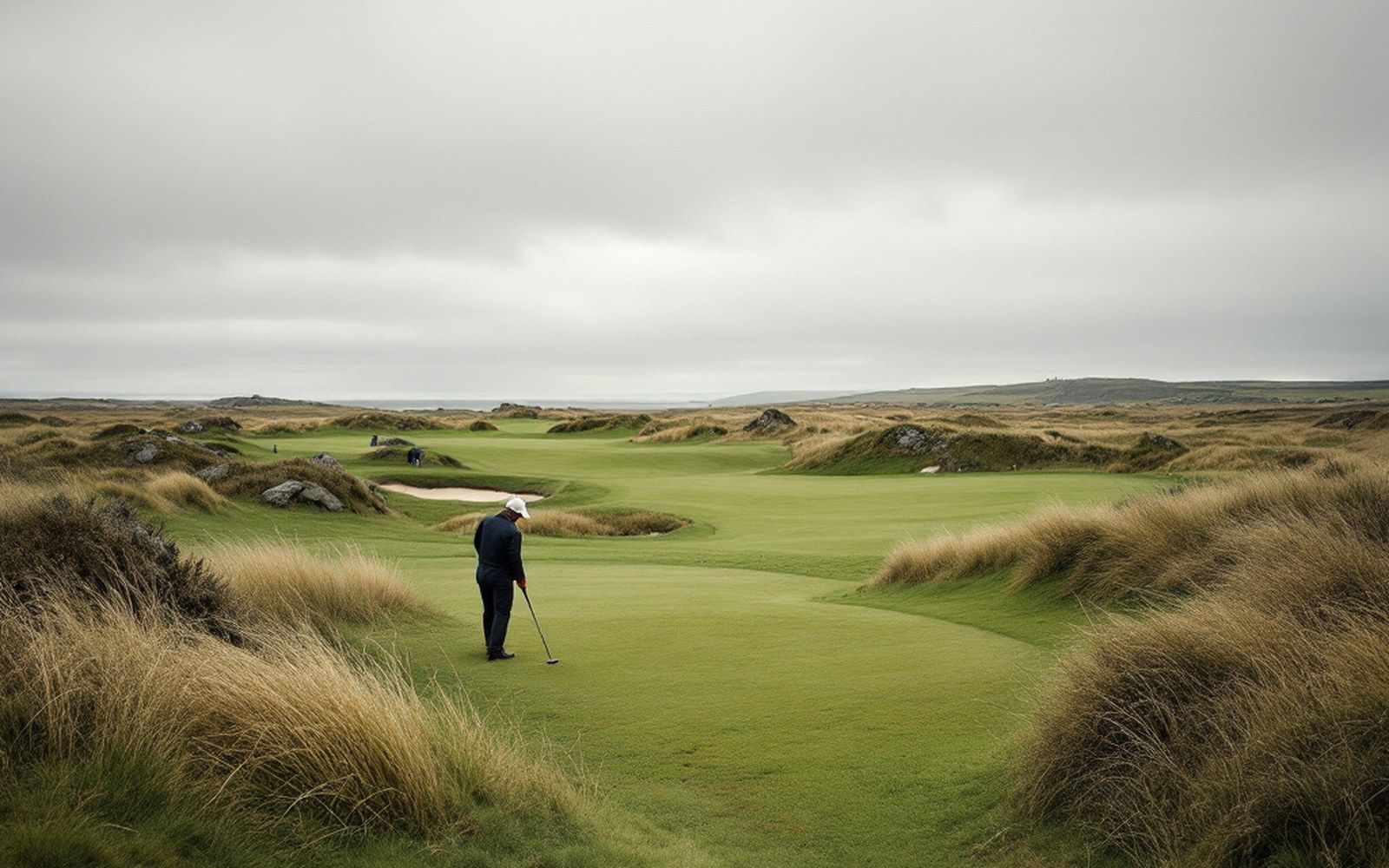
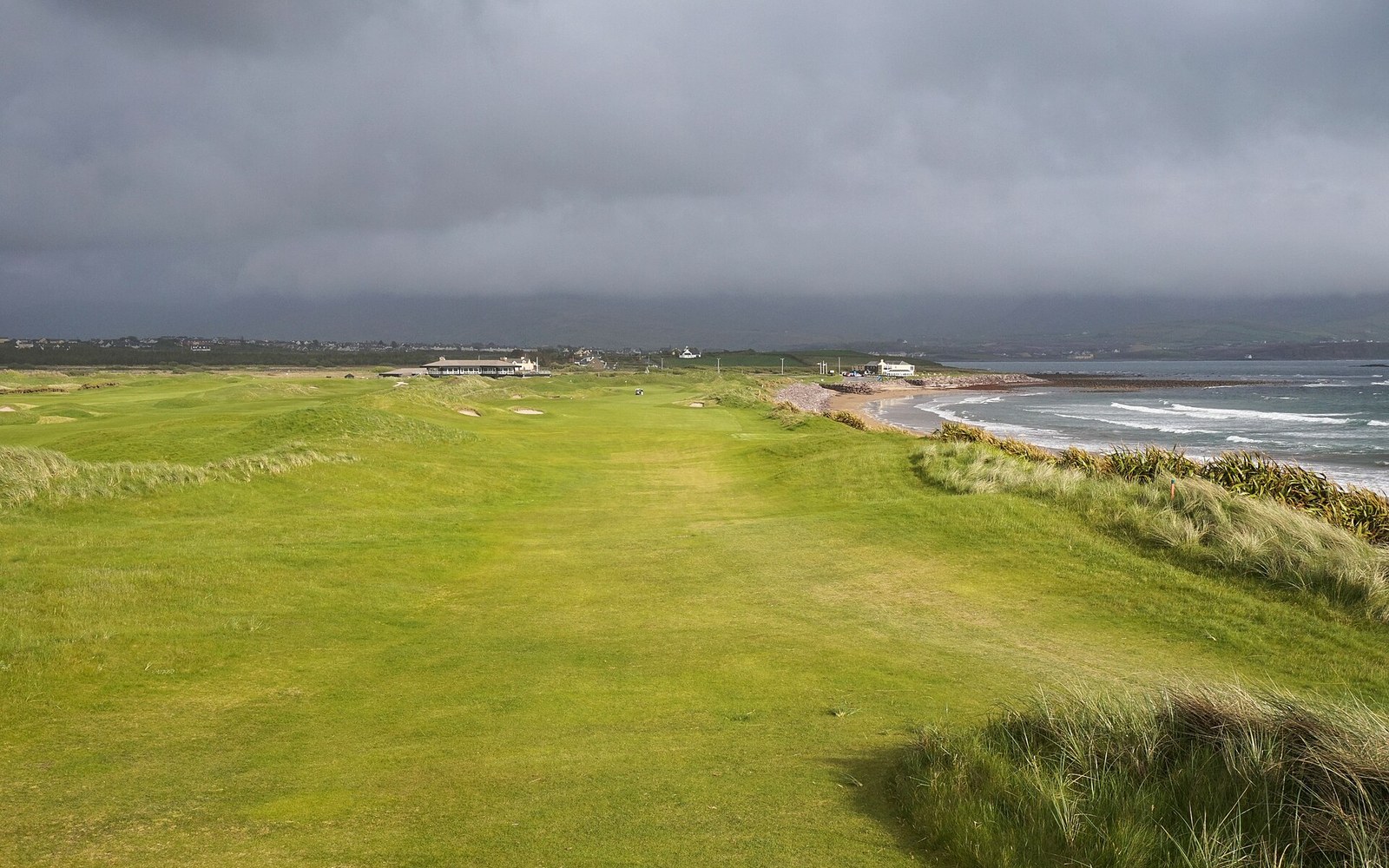
Arnold Palmer designed Tralee Golf Club at Barrow on the Dingle Peninsula in 1984, and the result remains his only links design in Europe. The commission came not from a long association with links architecture but from the availability of extraordinary land: a stretch of dunes and limestone cliffs on the Dingle Peninsula with the Atlantic breaking on three sides and the Slieve Mish mountains behind. Sites of that character make their own demands on any architect.
Palmer arrived with a background shaped almost entirely by American parkland and resort construction — courses where earthmoving imposes the design on flat or gently rolling ground. At Barrow the ground imposed itself on the design. The site's own contours, its raised dune ridges and the sudden cliff edges dropping to the sea, dictated the routing in ways that no amount of earthmoving logic could override. The inland holes required more conventional shaping, and those are the holes where Palmer's hand is most visibly applied. The coastal holes are, largely, the land.
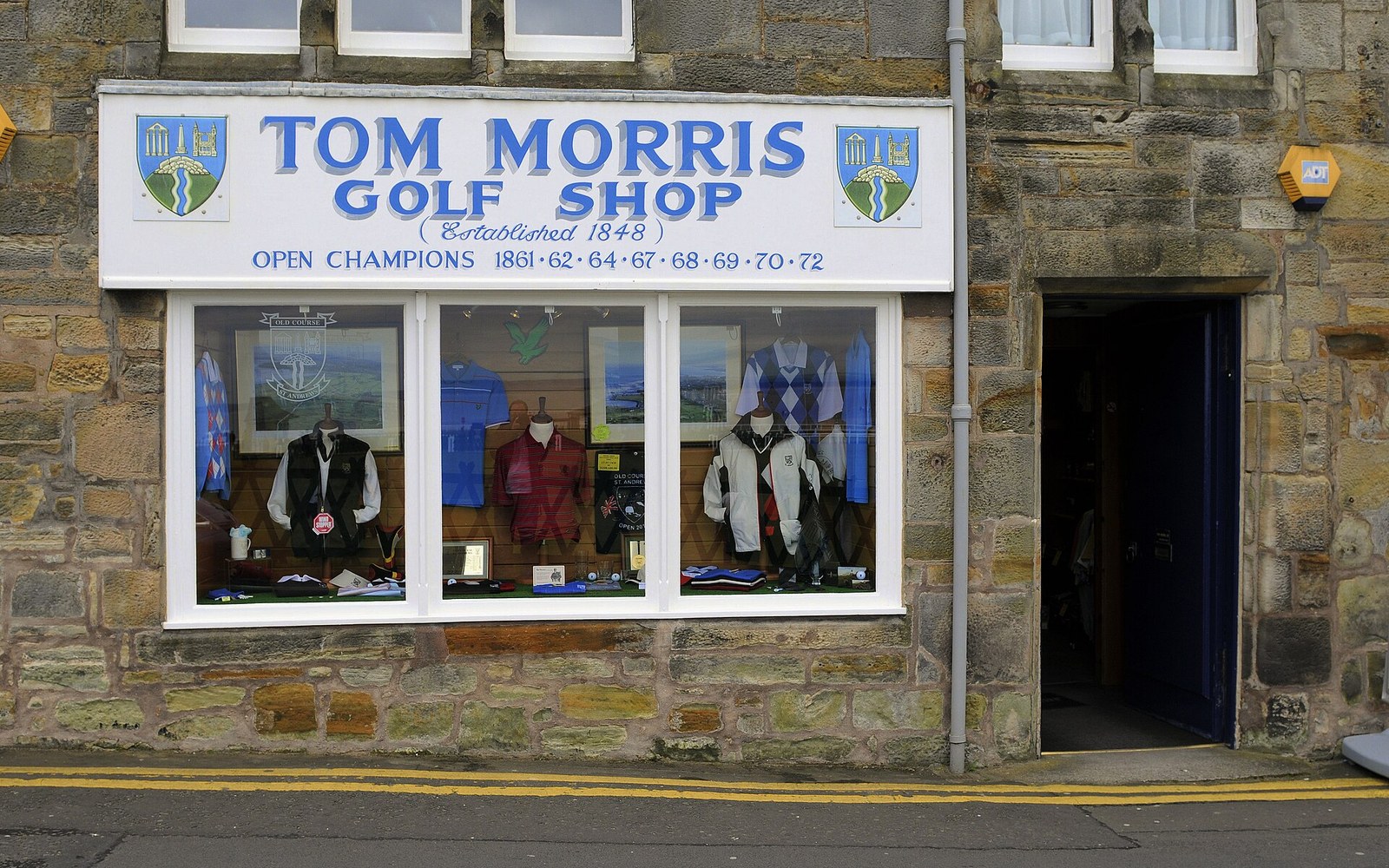
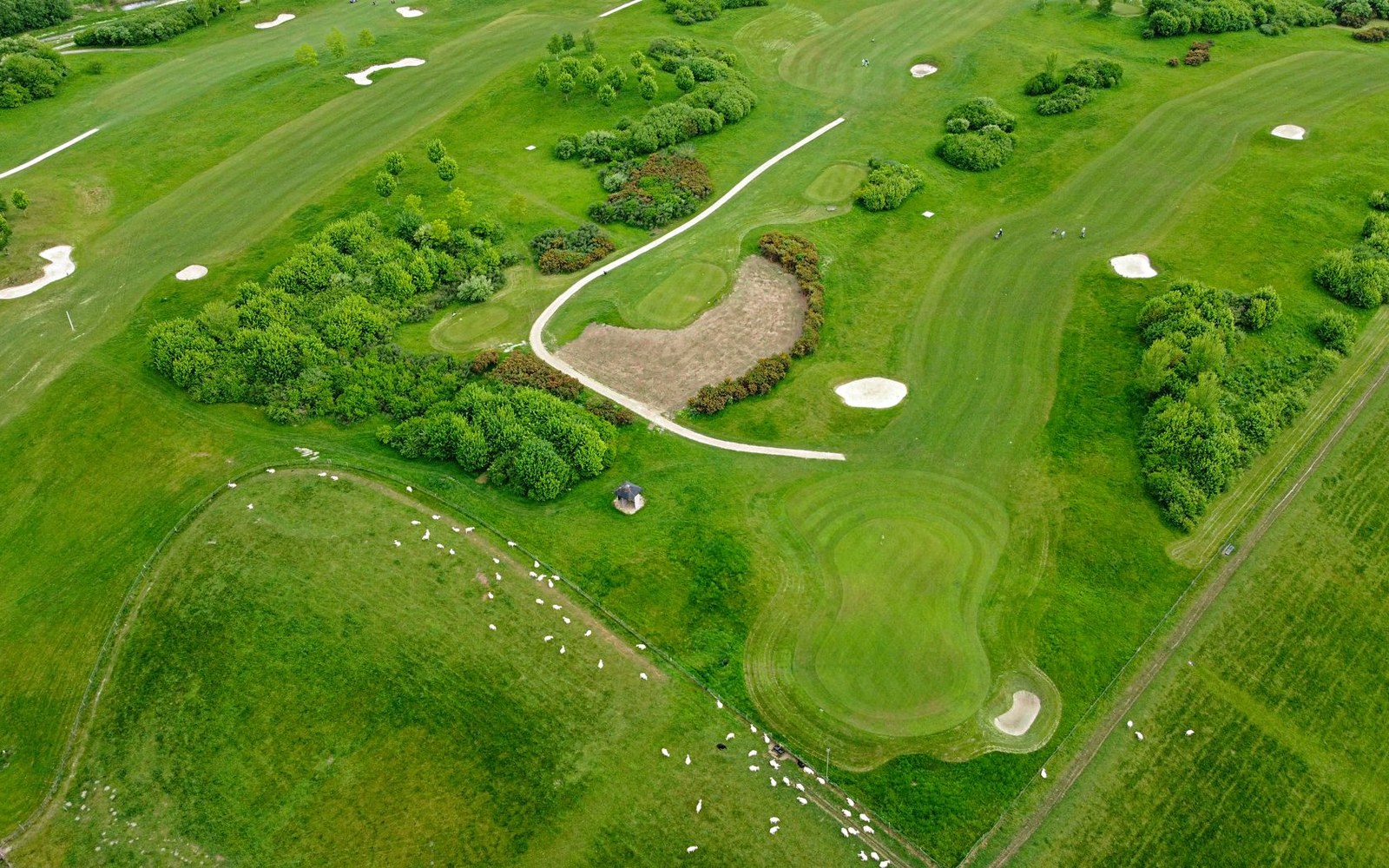
The oldest named hand in Irish golf. Grazing beside the first.
Photo: The Tom Morris Golf Shop · Wikimedia Commons · Photo: Becky L / Pexels
What the Course Became
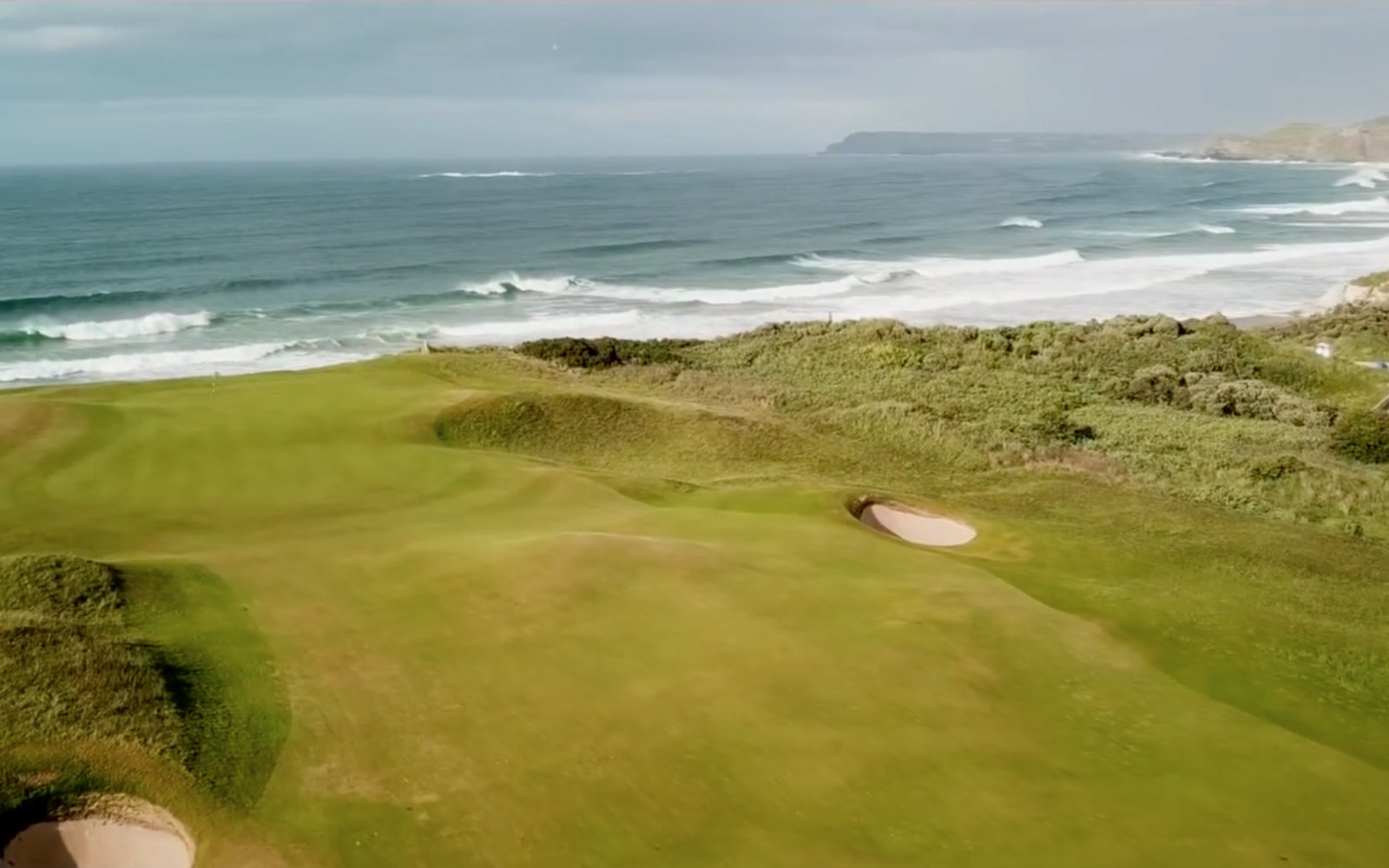
That distinction matters to anyone assessing Palmer as an architect rather than as a name on a commission. The celebrated holes at Tralee — the par-three seventeenth in particular, sited above a cliff face with the Atlantic below — succeed because the land is remarkable, not because the architecture is. The architect's task there was selection and restraint: to find the hole in the terrain and not obscure it. By that measure Palmer's team executed well. Whether a links specialist would have produced a more coherent full routing, resolving the contrast between the dramatic coastal stretch and the flatter inland section, is a genuine question the course itself raises.
The R&A's Golf Course 2030 sustainability framework now applies to Tralee as to every affiliated club, pressing the course toward fescue management and reduced chemical inputs — maintenance priorities that matter more on the coastal holes, where coastal erosion rates on the Atlantic seaboard require ongoing monitoring of the dune ground the routing runs across. The Palmer name brought the course to international attention in 1984. The cliffs did the rest.