Old Tom Morris at Lahinch and Rosses Point: The Oldest Hands in Irish Golf
Old Tom Morris laid out both Lahinch (1892) and County Sligo at Rosses Point, making him the earliest named architect on two of Ireland's most durable links. The piece covers both commissions, what survives of his routing in each, and how subsequent architects — MacKenzie at Lahinch, Colt at Rosses Point — responded to what he left.
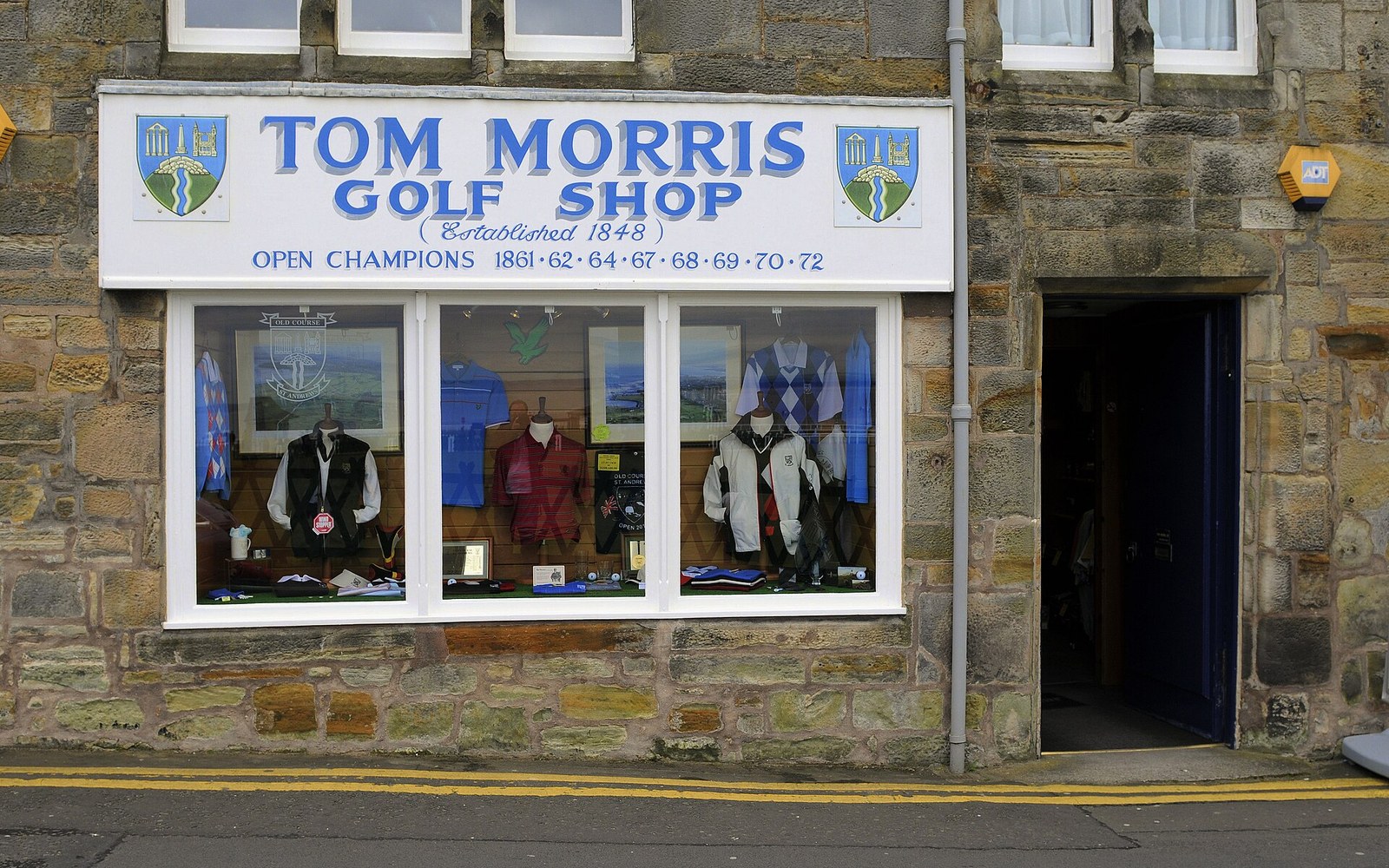
The oldest named hand in Irish golf.
Photo: The Tom Morris Golf Shop · Wikimedia Commons
Two layouts on Ireland's Atlantic coast; one name behind both.
A Working Trip and Two Lasting Routes
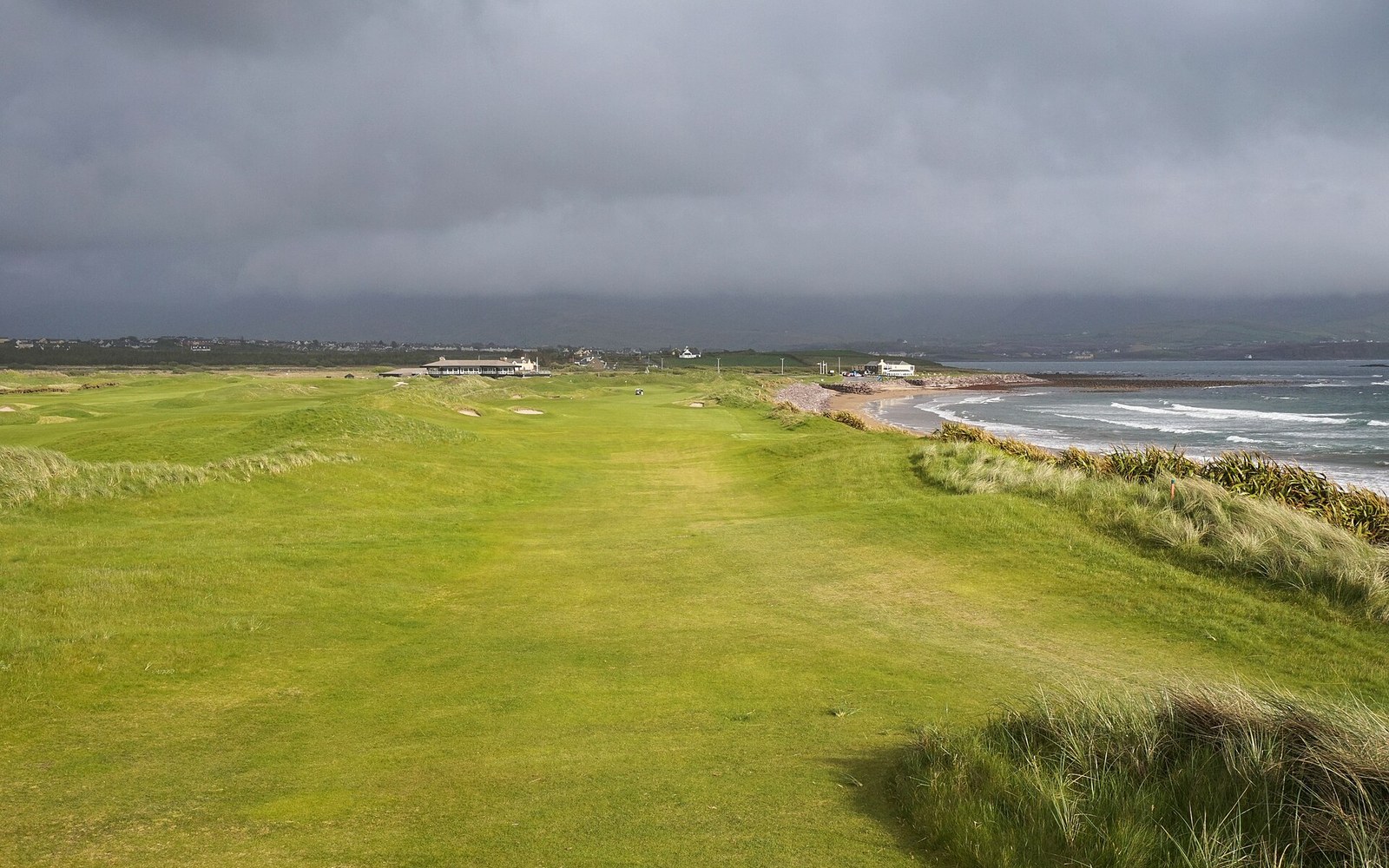
Old Tom Morris made the commission at Lahinch in 1892, travelling from St Andrews to lay out a course for the newly formed golf club on the links land in County Clare. The routing he produced ran across duneland that, by his own reported assessment, was as fine a natural site for golf as he had encountered. Whether the words are precisely his is unverifiable, but the quality of the ground is not in dispute: the dunes behind the Atlantic shore at Lahinch are among the most dramatic in Ireland.
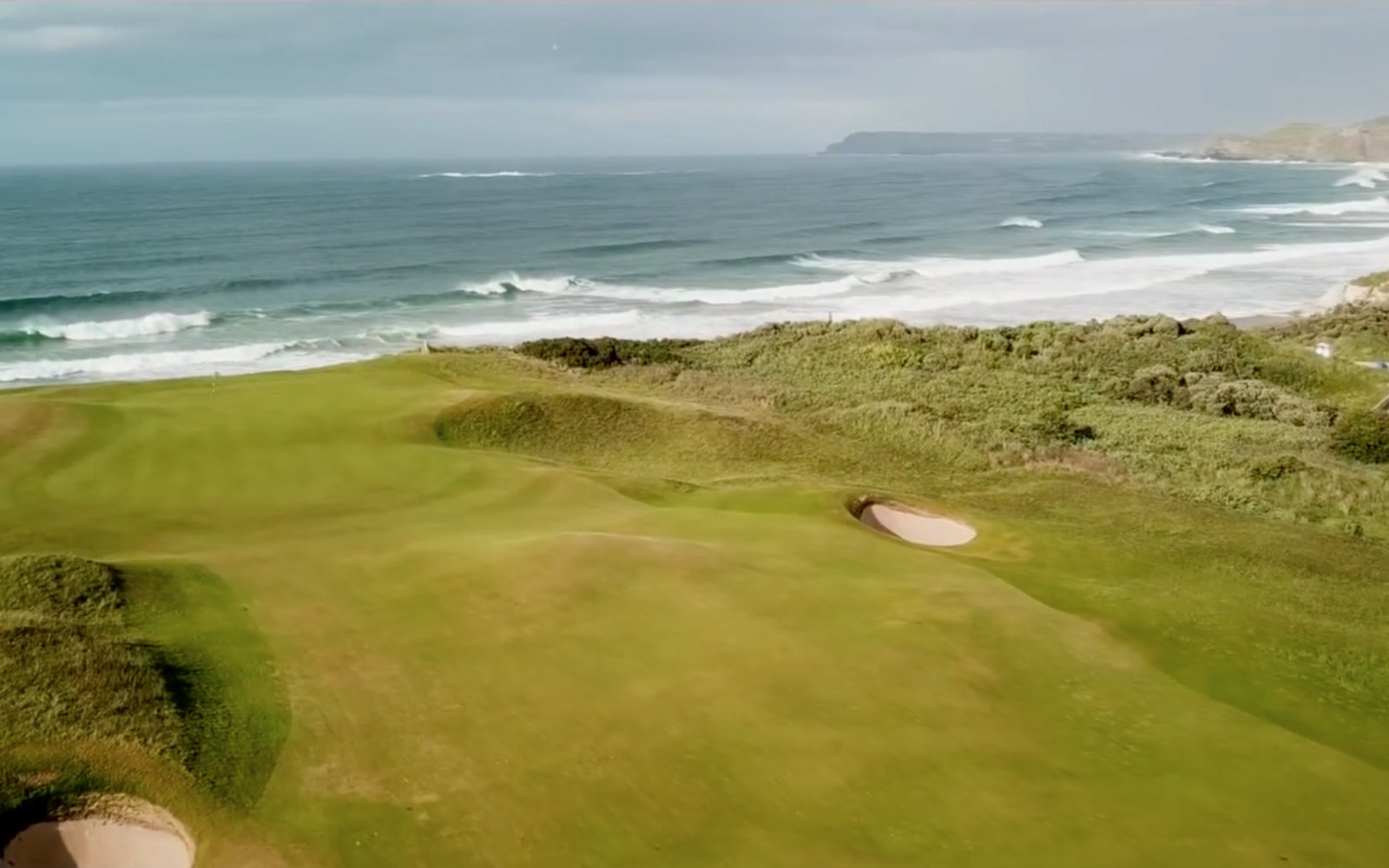
At Rosses Point, the commission came some years later. Morris laid out the course for County Sligo Golf Club on a peninsula defined on three sides by Sligo Bay, with Benbulben rising to the north-east. The site is lower and more open than Lahinch, the turf tighter, the horizons wider.
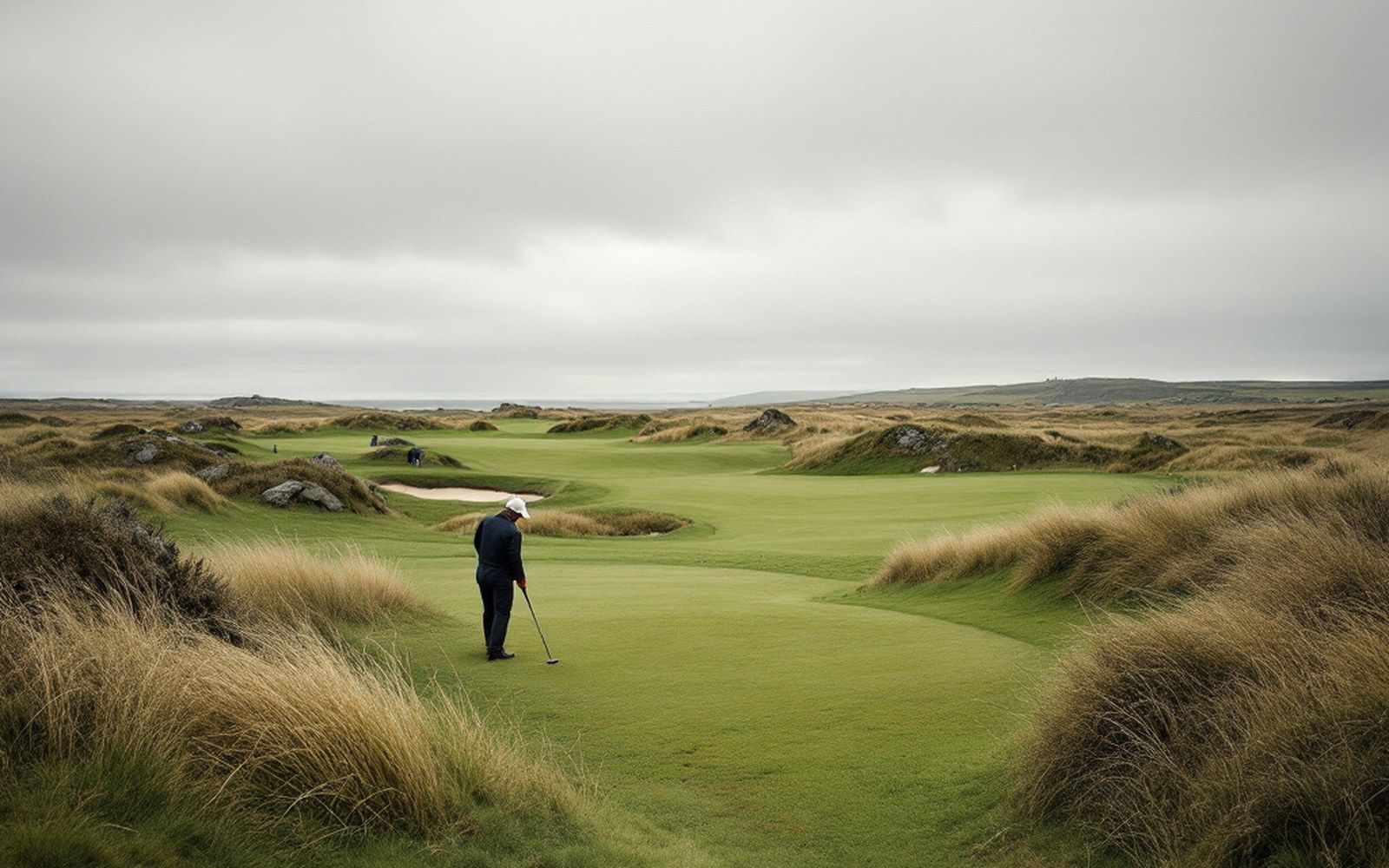
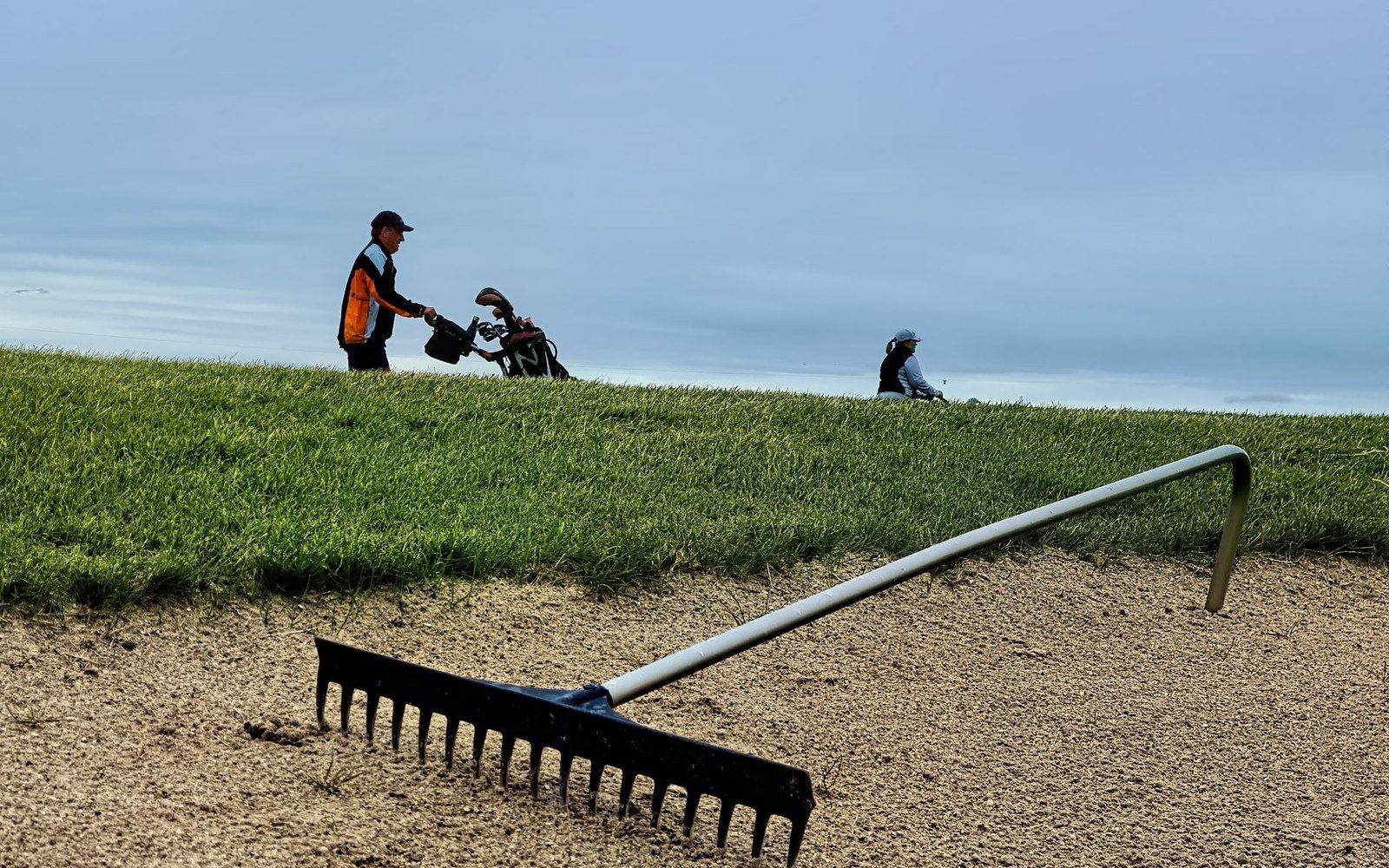
One architect, two pieces of ground that would not agree. Turf cut, stacked and pinned by hand: a bunker face is rebuilt rather than repaired.
Photo: Martin Magnemyr / Pexels
What the Revision Work Revealed
Neither layout survived the interwar period unaltered. Alister MacKenzie visited Lahinch in 1927 and remodelled it substantially — sharpening the contours of the greens, repositioning several holes, and introducing the features, including the famous blind Klondyke and Dell, that have since defined the course's personality. His work retained Morris's general routing logic while reworking the strategic architecture from hole to hole.
Harry Colt revised County Sligo in the 1920s, and his intervention was similarly respectful of the peninsula's natural contours while tightening the course's demands. The relationship between Colt's work at Rosses Point and at Royal Portrush is well documented; in both cases he inherited ground of genuine quality and sharpened rather than replaced what existed.
What both revisions confirm is that Morris's original routing at each site was sound enough to anchor a century of subsequent championship play. Lahinch has hosted the South of Ireland Amateur Championship across most of its history. County Sligo is home to the West of Ireland Championship and has a competitive record stretching to the earliest years of the GUI.
The ground Morris read — sandy, close-cropped, naturally drained — is precisely what fescue-dominant links turf requires to establish itself. His eye for a routing and a green site came from decades at St Andrews, and Old Tom Morris's contribution to golf course design is as legible in County Clare and County Sligo as it is on the Old Course itself.